
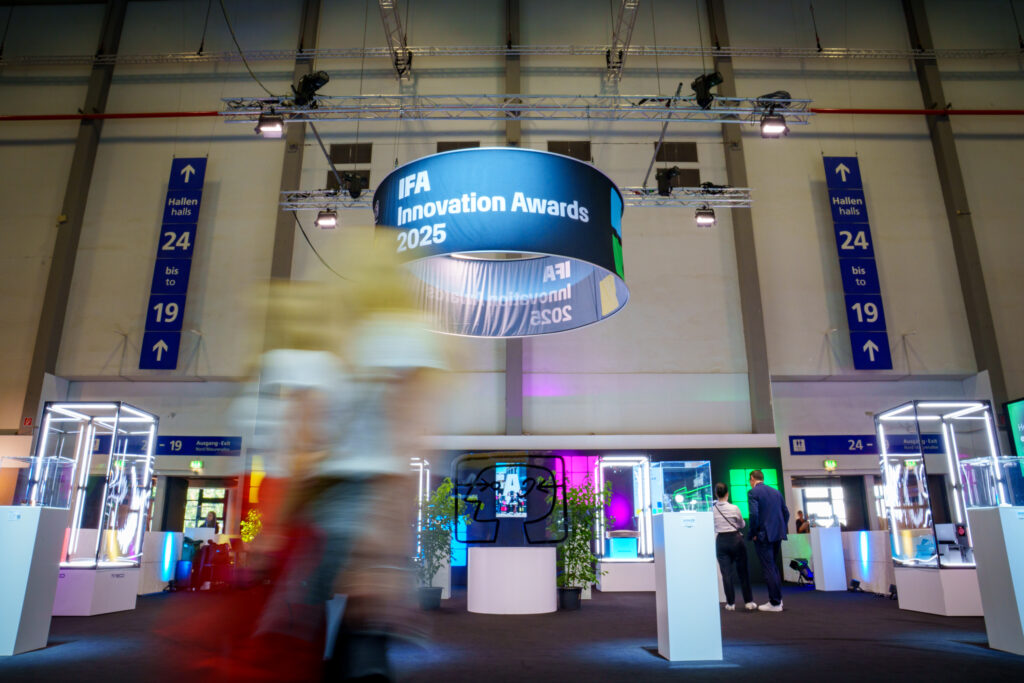
“We need to get closer to the end customer and deliver competitive, high-quality products directly.”
Miguel B. Jiménez Eguizabal returned from the IFA Berlin trade fair with a clear perspective on Walter Pack’s business opportunities. Alongside valuable insights and first-hand feedback, he also came back with renewed ambition about the organization’s potential. In his view, Walter Pack not only has the right technology to enter new markets such as beauty devices, sports equipment, gaming peripherals, and drones, but it is also time to take a step forward: reaching the end customer directly, cutting out costly intermediaries, and offering first-class solutions at competitive prices.
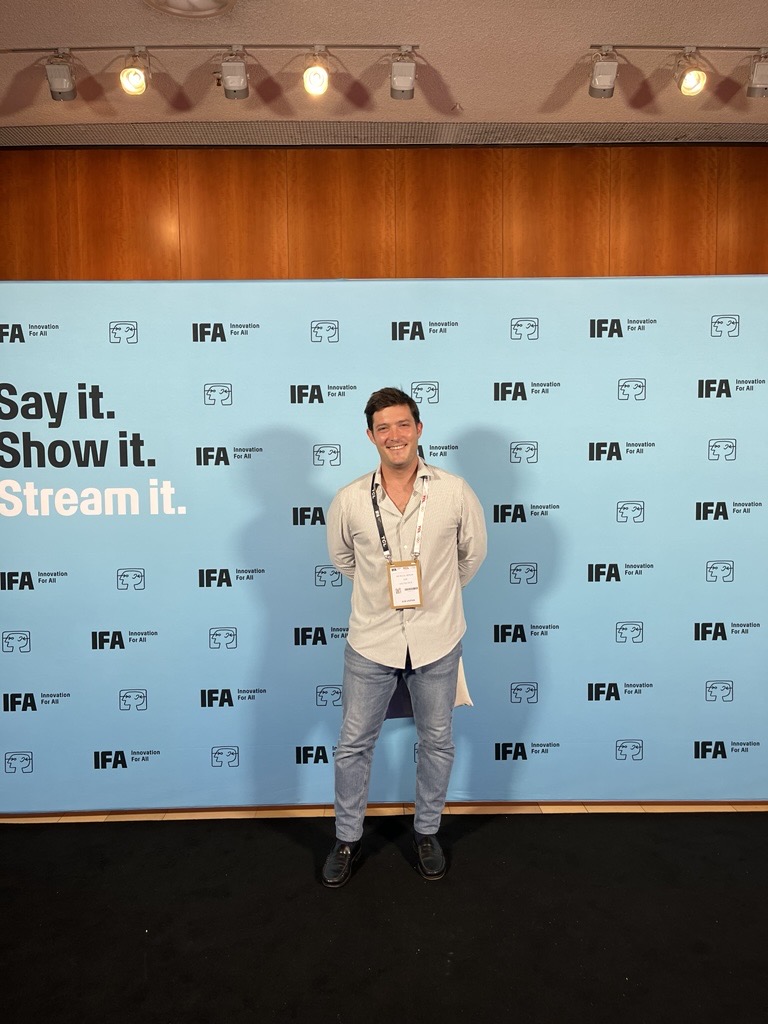
IFA Berlin remains the beating heart of the home appliance and consumer electronics ecosystem. Did you come across any new trends or technologies that caught your eye?
As we move closer to 2030, sustainability is becoming increasingly urgent. Is it already a basic market demand?
So, does this journey towards sustainability — one Walter Pack has already embarked on — remain a differentiating element in your value proposition?
Carbon footprint is one of the cornerstones of sustainability. Does it continue to play a role in Walter Pack’s competitiveness?
Absolutely. We’re already seeing a trend of European manufacturers reshoring production from China. They present it as a commitment to the 2030 Agenda and sustainability goals, but it’s also driven by rising costs in China — transport, tariffs, and even political risks. Still, they frame it as alignment with sustainability commitments, and European manufacturers in particular are asking us to reduce carbon footprint.
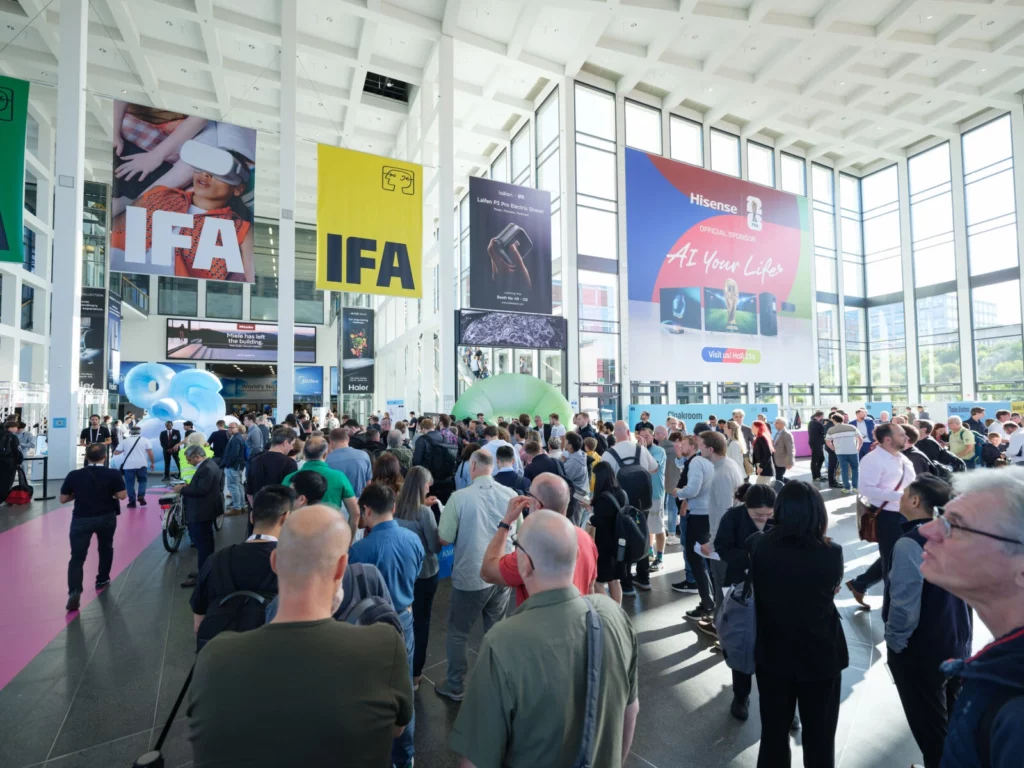
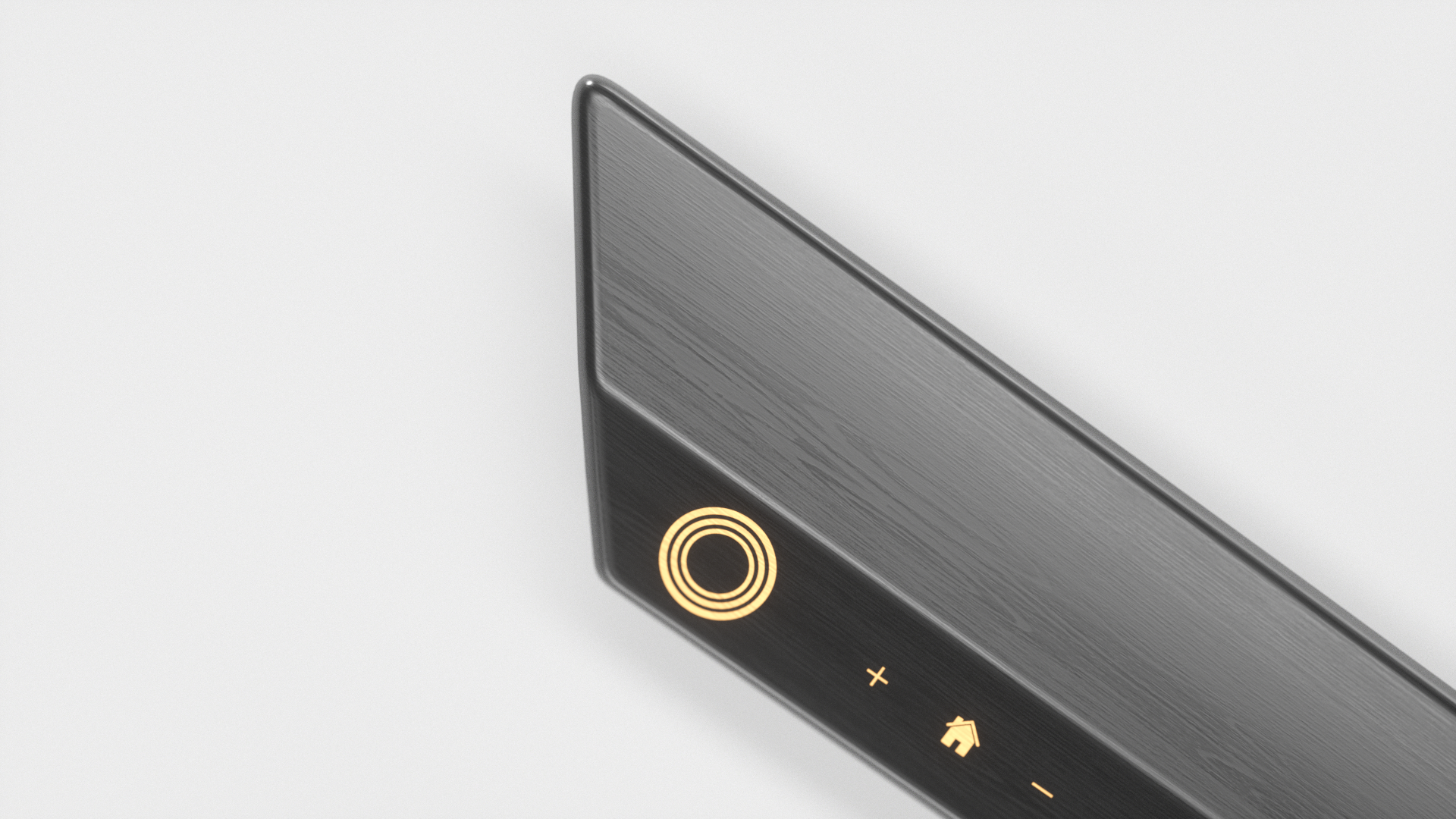
What role does the Color&Trim department play in Walter Pack’s turnkey value proposition?
An increasingly important one. What began as basic color matching has evolved into a full-fledged capability to develop projects from scratch, thanks to a team of specialists in color, design, and form. In the short to medium term, Color&Trim will be a major differentiator.
Whenever we showcase the department’s work, we spark a lot of interest. It has become both our calling card and a door opener. Instead of being “just another plastic molder,” we present a product catalog, realistic renders, and designs tailored to client needs — even in digital format. This elevates us from a simple supplier to a TIER 1 partner.
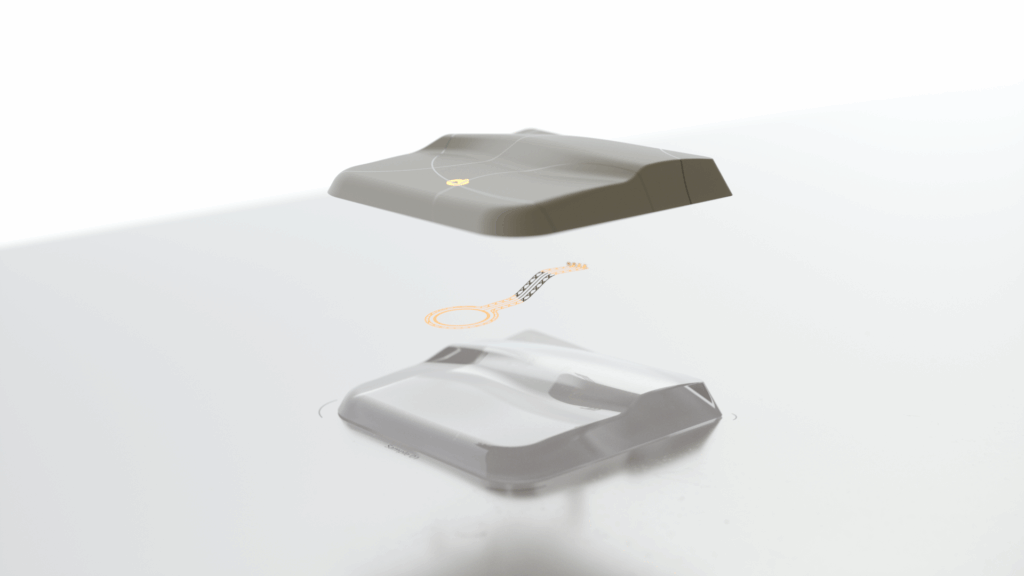
Walter Pack is a benchmark in processes like IMF and IME. Are these the most suitable for integrating technologies such as artificial intelligence and other trends?
In-Mold Forming (IMF) has struggled in recent years due to competition from IMD, a cheaper but less robust process. Now, however, many major brands are returning to IMF because, at large volumes, it proves more cost-effective.
As for In-Mold Electronics (IME), everyone wants it — and for good reason. Encapsulating electronics between plastic layers ensures protection, which is critical for appliances exposed to heat, steam, moisture, or cold. And while IME makes the part itself more expensive, it reduces overall costs by saving space and simplifying assembly and production processes.

IFA Berlin goes well beyond home appliances and consumer electronics. In what other sectors can Walter Pack enter with its processes?
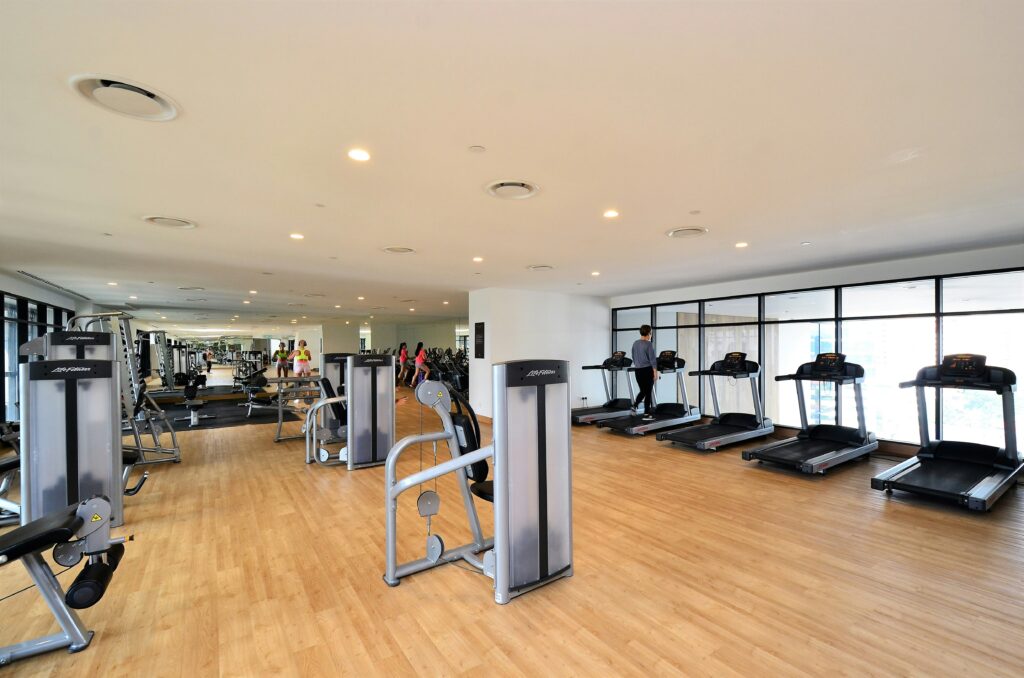
Which processes position Walter Pack to succeed in these sectors?
What role will cover lenses play in the electronics of the future?
Has attending IFA Berlin reshaped Walter Pack’s sectoral focus?
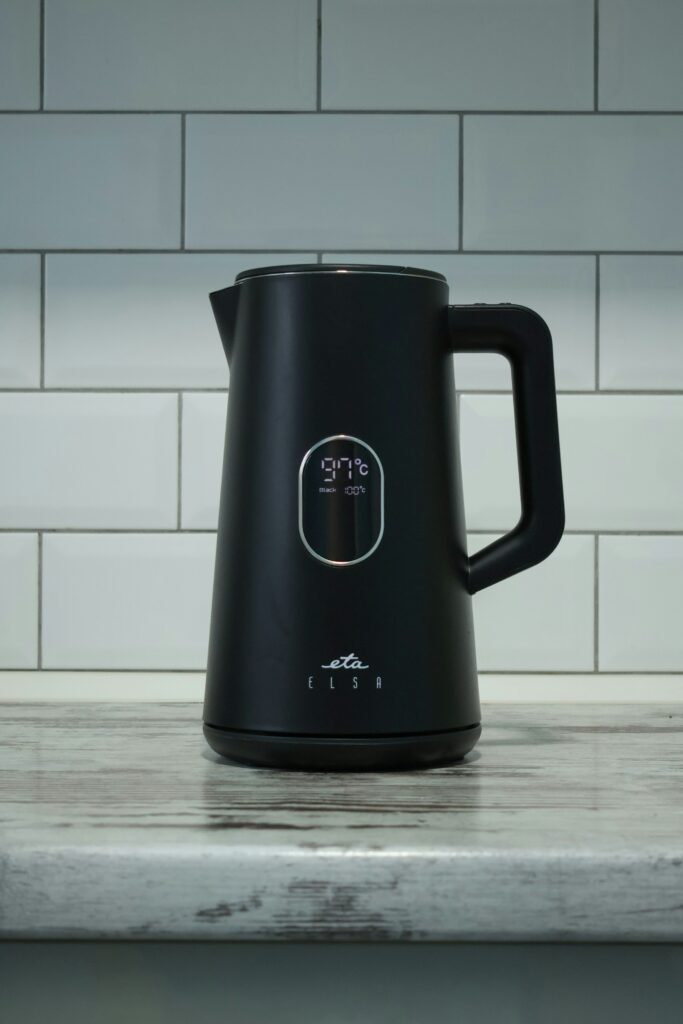
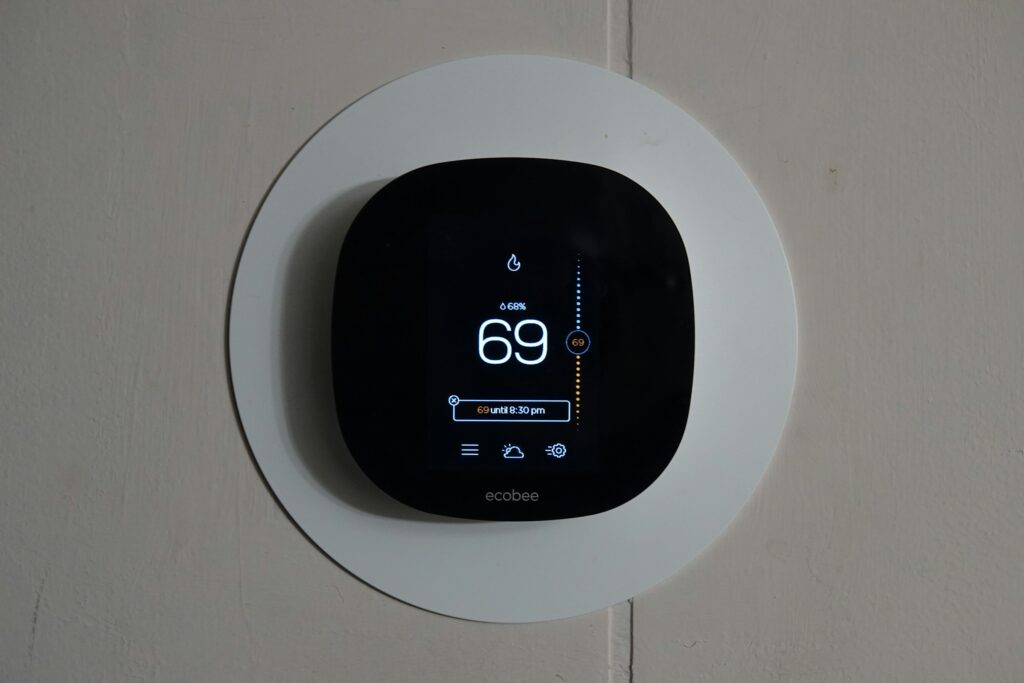
How does Walter Pack’s fully integrated process chain — printing, decoration, thermoforming, cutting, and injection — contribute to competitiveness?
Did IFA Berlin spark any new thoughts on how Walter Pack could improve its competitiveness?