
Imagine holding the power to transform a simple plastic sheet into a unique piece, perfectly molded to your needs.
This is the magic behind plastic thermoforming, a technology that has revolutionized manufacturing, from packaging to components in the industrial world.
Are you interested in diving deeper into this process? At Walterpack, a leading industrial plastic manufacturing company, we invite you to explore this article.
What is a Thermoformer?
A thermoformer is a machine designed to heat plastic sheets until they reach a malleable state, allowing them to be molded into specific shapes using a mold.
Once the polymer takes the desired shape, it is cooled and solidified, retaining the mold’s form.
Thermoforming is a simple yet efficient process widely used across industries. Thanks to the versatility of the thermoforming machine, companies produce a wide variety of objects quickly and economically.
What is a Thermoformer Used For?
A thermoformer is used to create molded plastic products quickly. Once heated, the synthetic material adapts to virtually any shape, enabling countless applications in industrial, medical, food, and consumer sectors.
Industrial Uses of Thermoformers
These machines are a common solution due to their malleability and low cost. Some notable uses include:
- Packaging: Food containers, electronic product packaging, and other consumer goods are often made with thermoformed plastic.
- Automotive: Many vehicle components, from interior panels to decorative parts, are manufactured through thermoforming, allowing for lightweight yet durable designs.
- Medical: Medical trays and containers for surgical equipment are also created using this method.
Advantages of Using a Thermoformer
This molding system offers multiple advantages that make it preferable to other manufacturing methods:
- Cost Efficiency: It is a relatively inexpensive process, making it accessible for both large-scale production and prototype creation.
- Versatility: The ability to mold plastic into a wide variety of shapes and sizes is highly sought after across different sectors.
- Fast Production: This technology is quick, enabling the manufacture of large volumes in a short time.
- Low Waste: Excess material can be recycled and reused.
Plastic Thermoforming Process
Plastic thermoforming is a highly effective technique. It consists of several steps to ensure the material is molded precisely:
- Heating: A plastic sheet is placed in the thermoformer and heated until it becomes sufficiently malleable.
- Molding: The heated plastic is positioned over a mold, where vacuum or pressure is applied to shape it as desired.
- Cooling: Once the material takes the shape of the mold, it is cooled to solidify the structure.
- Trimming: Excess material is trimmed, and the finished product is inspected for quality.
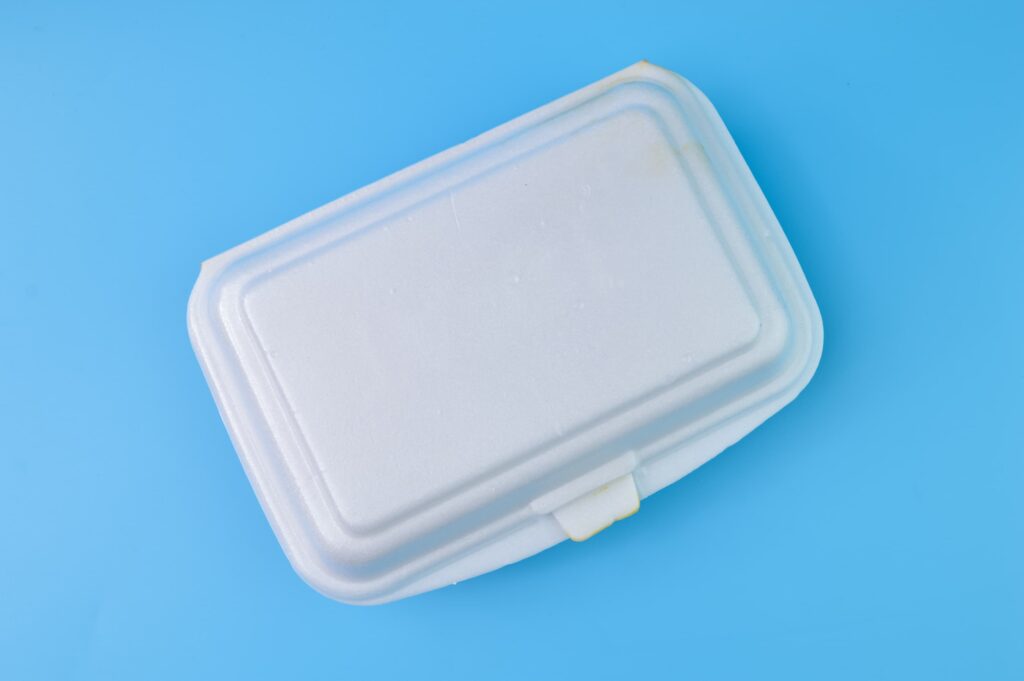
Applications of Thermoformed Plastic
Thermoformed plastic is used in a wide range of applications due to its unique characteristics.
Here are its main applications:
- Food Industry: Used in packaging for fresh and frozen foods as well as trays.
- Electronics: Employed to create protective packaging for electronic components and delicate devices.
- Automotive: Found in interior and exterior car parts, such as door panels and covers.
- Healthcare: Used to produce sterile trays and disposable medical equipment, which are common in this sector.
Plastic thermoforming is an essential process in modern manufacturing, transforming polymer sheets into functional products. Thermoformers enable the creation of a wide variety of items, from packaging to industrial components, with minimal waste and high adaptability.
If you’re looking for advanced thermoforming solutions, Walterpack is your partner. We are experts in vacuum thermoforming for simple parts, positive pressure thermoforming for complex geometries, and vacuum-assisted thermoforming. Trust our expertise to turn your ideas into functional objects.
Frequently Asked Questions (FAQ)
To conclude, we answer some of the most common questions about this topic:
What Materials Can Be Used in a Thermoformer?
Industrial thermoformers can work with a wide variety of plastics. Here are the most popular ones:
- ABS (Acrylonitrile Butadiene Styrene): Known for its high resistance and durability.
- PVC (Polyvinyl Chloride): A versatile, flexible, and economical material.
- Polyethylene: A lightweight, flexible, and highly durable plastic.
- Polystyrene: Easy to thermoform and offers excellent detail levels.
What Is the Difference Between Thermoforming and Other Plastic Forming Processes?
Thermoforming differs from techniques like injection molding or extrusion primarily in how the material is worked. In thermoforming, a sheet is heated and molded over a form.
Injection molding is similar but allows for more detailed parts by injecting molten plastic into a closed mold. Extrusion, on the other hand, produces continuous objects like pipes.
What Are the Limitations of Thermoforming?
While this technique has numerous advantages, it also has some limitations, such as:
- Precise Details: It struggles to achieve extremely fine or complex details in product design.
- Limited Materials: Not all plastics can be efficiently thermoformed. Some require very high temperatures or do not maintain the desired shape.
- Thickness Limitations: This method is typically used with thin plastic sheets. For thicker or heavier products, other processes like injection molding are more suitable.
Is Thermoforming a Sustainable Process?
Thermoforming has the potential to be a more sustainable process compared to others. One of its advantages is the ability to reuse and recycle leftover material, reducing waste.
Additionally, many sheets used come from recycled materials, contributing to a more circular economy.
From an energy perspective, it is efficient, consuming less energy than most procedures. However, its sustainability depends on the plastics used and the recycling practices implemented by companies.