
Yield strength of steels: complete guide
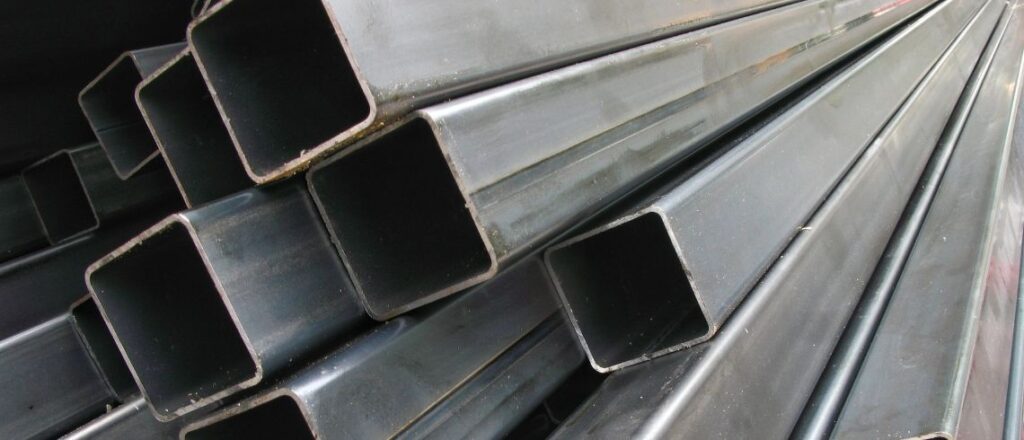
In engineering and construction, understanding the mechanical properties of steel is crucial to ensure the safety and durability of structures. The yield strength of steel is one of these fundamental properties, as it defines the point at which a material begins to deform permanently under a load. Understanding this concept is essential in industrial sectors where Walter Pack, an expert in decorative and industrial plastic manufacturing and injection, collaborates by offering advanced and customized solutions with high-strength materials. What is the yield strength of steel? The yield strength of steel is the maximum stress that this material can withstand without experiencing plastic deformation, i.e., permanent deformation. When a steel piece is subjected to a load exceeding this limit, it will no longer return to its original shape after the load is removed. This concept is vital for the industry as it determines the material’s capacity to endure forces and stresses without permanent damage. The importance of yield strength in engineering and construction The yield strength is one of the most important factors in structural design. In engineering and construction projects, knowing this value is essential to select the appropriate type of steel and avoid structural failures. For example, in the construction of bridges, buildings, or industrial infrastructures, the yield strength of steel ensures that structures can endure daily loads and stresses without deforming. How is yield strength measured in steel? The measurement of yield strength in steel is carried out through tensile tests. In these tests, a steel sample is subjected to increasing force until it reaches its plastic deformation point. During this process, the amount of stress the material can withstand without undergoing permanent changes is measured. This measurement is expressed in megapascals (MPa) and is a key indicator for selecting the appropriate steel in industrial applications. Factors influencing the yield strength of steel The yield strength is not a fixed value; it varies depending on several factors: Chemical composition: The proportion of carbon and other elements in the steel can increase or decrease its yield strength. Higher carbon content typically leads to higher strength and yield strength. Heat treatments: Treatments like quenching or annealing can modify the mechanical properties of steel, directly affecting its yield strength. Manufacturing process: Fabrication and finishing methods, such as hot or cold rolling, also influence the properties of steel. Operating temperature: Steel exposed to extreme temperatures may experience changes in its molecular structure, affecting its yield strength. Types of steel and their yield strength The yield strength varies among different types of steel, depending on their composition and treatment. Below are some of the most common steel types and their respective yield strengths. Yield strength of S275 steel S275 steel is widely used in construction for its good balance of strength and ductility. The yield strength of S275 steel is approximately 275 MPa, making it an ideal choice for structures requiring high load capacity without excessive deformation. Yield strength of stainless steel (AISI 304) AISI 304 stainless steel is known for its corrosion resistance and versatility in both industrial and domestic applications. Its yield strength is approximately 215 MPa, slightly lower than that of S275, but its high resistance to corrosive environments makes it ideal for applications in adverse conditions. Comparison of yield strength in different steel types The choice of steel type based on its yield strength depends on the specific application. While S275 is ideal for load-bearing structures, AISI 304 is preferred in environments where corrosion resistance is a priority. Selecting a steel type with the appropriate yield strength ensures optimal performance and safety in industrial applications. Practical applications of yield strength in the industry Yield strength has practical applications in numerous sectors. At Walter Pack, precision in material selection and their mechanical properties is essential to develop high-quality products. Some common applications of yield strength in the industry include: Construction of structures: Yield strength is key to determining the load capacity of beams and supports in buildings and bridges. Manufacture of automotive components: In the automotive industry, materials forming part of the structure and safety systems must have adequate yield strength to withstand mechanical stress without deforming. Production of machinery: Industrial machinery components must withstand repetitive loads and stresses without failure. Yield strength and steel fatigue Steel fatigue is a phenomenon that occurs when the material is subjected to cyclic or repetitive loads, potentially causing fractures if the yield strength is continually exceeded. This phenomenon is especially relevant in applications such as industrial machinery or bridge structures, where steel is subject to constant stress. Therefore, proper design that respects the yield strength is crucial to minimize the risk of fatigue and extend component lifespan. Yield strength vs tensile strength: Key differences While yield strength and tensile strength are often confused, there are clear differences between the two. Yield strength refers to the point up to which steel can deform without permanent damage, whereas tensile strength is the maximum load the material can withstand before breaking. In the industry, both values are essential to define a material’s capacity, but yield strength is key in applications aiming to prevent deformation. Frequently asked questions about the yield strength of steel What is the yield strength of steel? Yield strength is the maximum stress steel can endure without permanent deformation. It is a critical value in engineering, ensuring that the material maintains its shape and strength under loads. How is yield strength measured? It is measured through tensile tests, where a steel sample is subjected to force until it begins to deform irreversibly. This value is expressed in megapascals (MPa). Why is yield strength important in construction? Because it determines steel’s ability to bear loads without deforming, which is crucial for building safe and durable structures. What is the difference between yield strength and tensile strength? Yield strength is the maximum stress before permanent deformation, while tensile strength is the maximum load before breaking. What is the yield strength of stainless steel AISI 304? The yield strength of AISI 304 steel is approximately
Walter Pack and Igorre Unite for Valencia’s Recovery
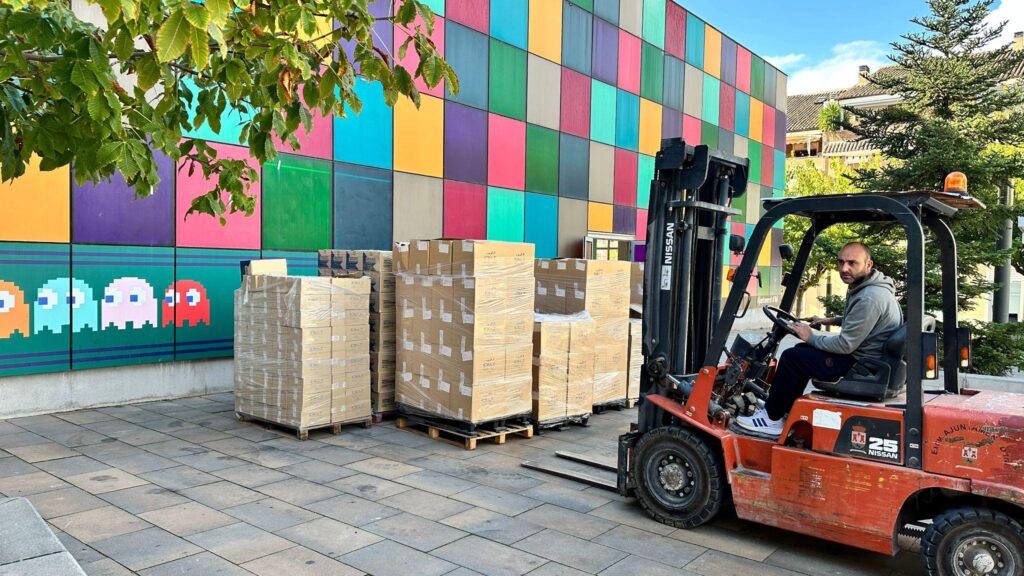
Walter Pack, in collaboration with the Igorre City Council and with the support of the Arratia Valley Community, the Red Cross, and Caritas, has led a solidarity campaign to support those affected by the DANA in Valencia. This initiative mobilized the community of Igorre and its surroundings, who donated a large amount of essential materials at the location provided by the City Council. Additionally, financial donations from Walter Pack’s employees will enable a truck to be filled with cleaning supplies that will depart on Tuesday, November 12, heading to the logistics center of Motherson Picassent, a Walter Pack client, in Valencia. “The commitment and solidarity have exceeded our expectations; it has been truly moving,” says Lorea Azcona, Back Office at Walter Pack. Two support channels were established: an internal fundraising campaign that raised over 800 euros, an amount that the organization will double to maximize aid, and a collection point in Igorre, where residents of the municipality and nearby towns contributed cleaning, hygiene, and essential items. Additionally, Walter Pack donated 15,000 face shields produced at its Idelt plant in Ibi. These protective shields, designed to protect the eyes and face from mud and certain bacteria, represent significant support for those carrying out cleaning tasks under difficult conditions, as is the case in the most affected areas by the DANA. Francisco Agulló, injection leader at Idelt, highlights: “Idelt’s face shields are designed to offer complete facial protection in challenging environments. Knowing that they can now help people affected in Valencia fills us with pride and reminds us of the importance of collaborating in difficult situations.” From the Igorre City Council, Mayor Olatz Urkiza has expressed her gratitude for the initiative and her interest in visiting Walter Pack to personally meet those who made this solidarity action possible. With these donations, Walter Pack placed an order with Suministros Mugarra for priority materials, including 150 protective suits, 480 FFP2 masks, 132 nitrile gloves, and 16 pairs of PVC boots, with a total value exceeding 2,000 euros. This batch of supplies, along with the items collected by the community and the face shields, will be transported on Tuesday, November 12, in a truck heading directly to Motherson’s logistics center in Valencia to assist those most in need. Walter Pack reaffirms that, in challenging times, solidarity and teamwork make a difference.
Walter Pack unveils new solution to eliminate rainbow effect in automotive displays at IZB
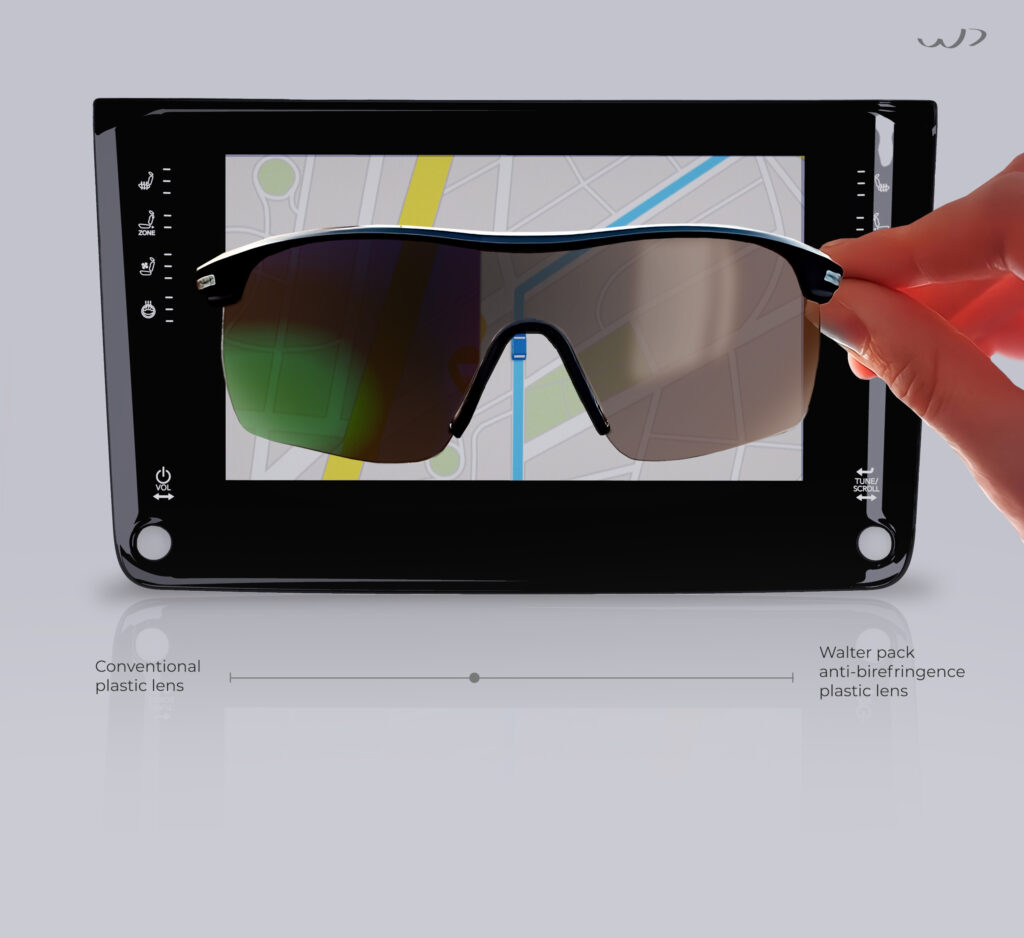
This innovative solution eliminates the birefringence effect caused by plastic material, enhancing the safety, efficiency, and design performance offered by glass. This optical effect can cause chromatic variations and image distortions for drivers wearing polarized sunglasses. “This development allows us to set the highest standards for safety and comfort,” says Laura del Hoyo, Head of the R&D department. Bilbao, October 16, 2024 – Walter Pack will take advantage of its presence at the IZB Fair in Wolfsburg to unveil one of its latest innovations for the automotive sector: a development that completely eliminates the so-called “rainbow effect” experienced during driving on plastic information and control displays (infotainment). This new advancement, developed by the company’s R&D department, significantly enhances the safety, efficiency, and design conditions of vehicle displays, positioning Walter Pack at the forefront of high-value plastic solutions in the automotive industry. The platform for this new solution’s presentation will be the IZB Fair in Wolfsburg, Germany, Europe’s leading automotive supplier exhibition, held from October 22 to 24, where Walter Pack will participate alongside its strategic partner, Antolin. Chromatic variations The solution designed by Walter Pack effectively eliminates the consequences of birefringence caused by plastic material and the “black-out effect”, which occurs when the driver experiences a sudden darkening of the display while wearing polarized sunglasses and turning their head 90 degrees to view the vehicle’s screens. Birefringence is an optical effect that occurs when light interacts with plastic surfaces, splitting the beam into multiple rays traveling at different speeds through the material. For drivers wearing polarized sunglasses, which are specifically designed to reduce glare and visual fatigue during driving, this can result in visual disturbances, such as chromatic variations or image distortions. Material research To achieve an enhanced and safer user experience, Walter Pack’s R&D team conducted comprehensive research on this complex phenomenon and identified the most suitable materials to mitigate these effects. They then determined the methodology required to integrate these materials into the displays and proceeded with extensive testing and validation, culminating in the design of physical demonstrators. Functional demonstrators In collaboration with its strategic partner, Antolin, Walter Pack first conducted an in-depth analysis of the physical phenomenon to identify user challenges, followed by a thorough technological scouting for potential solutions. Finally, they carried out the necessary tests to validate the selected solutions. These tests proved successful in correcting and eliminating the effect, adding value to Walter Pack’s existing solutions for plastic lenses in vehicle interiors. Through a project-based research methodology, the R&D department performed several trials to achieve the complete correction of the effect and subsequently initiated the production of functional physical demonstrators, which are now ready to showcase their effectiveness. This treatment is featured in the Sunrise cockpit concept, an innovative design incorporating plastic displays with complex geometries, optimized to eliminate the “rainbow effect” and enhance visibility and safety. “Top Level of Safety” As Laura del Hoyo, Head of Walter Pack’s R&D Department, explains, “This new development helps us set the highest standards for safety and comfort during driving, allowing users to wear polarized sunglasses while clearly viewing all the information displayed on the screen.” More Benefits Than Glass This development provides Walter Pack with a competitive edge in designing information and control displays, improving visibility, and thus safety, while also increasing efficiency by reducing the weight of consoles compared to using glass. It also expands the design possibilities beyond what glass can offer. Eliminating the rainbow effect marks another step forward in offering high-value plastic solutions for the automotive sector. This development not only improves the birefringence levels of Walter Pack’s WS Lens, already validated by several automotive manufacturers, but also strengthens the company’s commitment to maintaining the highest levels of quality by optimizing existing market solutions. About Walter Pack Walter Pack is a leader in the design and development of high-value decorative plastic components. Through the efforts of its Color & Trim and R&D departments, the company has become an international reference in advanced IMD, IML, and especially IMF technologies, which form the core of its business. Walter Pack’s participation in the NER Group further underscores the company’s commitment to talent, teamwork, and social development.
Home Appliance giant Haier recognizes Walter Pack for Its People-Centric Management Approach
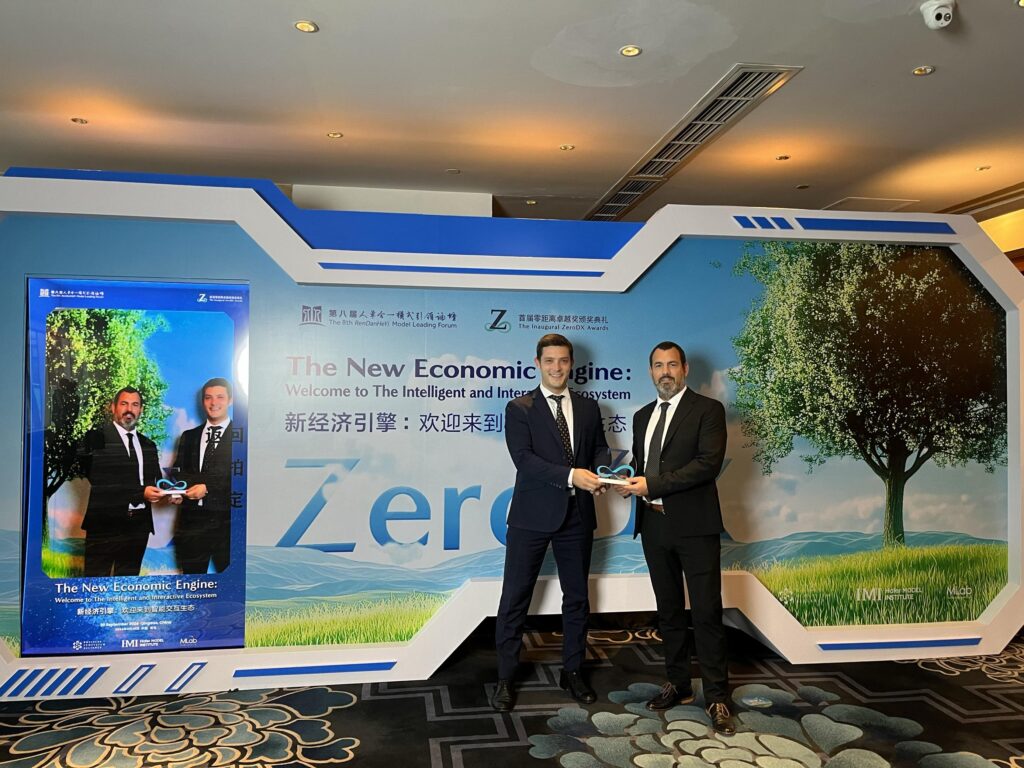
Haier, the global leader in home appliance manufacturing, has awarded Walter Pack in recognition of its outstanding organizational ecosystem, driven by a management model that places people, clients, and products at its core. The award, which will be presented to Key Account Manager for Home Appliances, Miguel B. Jiménez Eguizábal, during a ceremony today in Qingdao, China, marks an international endorsement of Walter Pack’s commitment to self-management, innovation, and collaboration. These principles form the foundation of the company’s quest for excellence in all its operations. A Distinct Organizational System The significance of this award is heightened by the fact that it comes from the world’s largest home appliance manufacturer, a sector where Walter Pack has cemented its position as a key partner to leading global companies in recent years. The Basque company earned this distinction thanks to its organizational structure, where team members take ownership of their responsibilities and contribute to a culture of trust and continuous improvement. This model, built on practices that promote flexibility, efficiency, and the empowerment of individuals, has enabled Walter Pack to become a benchmark in the design and production of high-value-added plastic components for home appliance manufacturers. The RenDanHeYi Model The inspiration behind these awards is the RenDanHeYi model, a management and organizational system created by Haier’s CEO, Zhang Ruimin, in 2005. This model moves away from traditional hierarchical structures, favoring self-directed teams with a clear focus: to respond swiftly to customer needs, a core value shared by organizations within the NER Group. The award is part of the ZeroDX Awards, an initiative launched by Haier, MLab, and Thinkers50’s Business Ecosystem Alliance, which celebrates organizations at the forefront of self-management and organizational transformation. Miguel Bernar, CEO of Walter Pack, highlighted that the award “reflects the collective effort of our entire team and our determination to be part of the change in how organizations operate.” He added, “It also reinforces the work Walter Pack has done in the Home Appliance sector, where we’ve applied decades of expertise gained in the demanding automotive industry.”
Walter Pack nominated among the 50 self-managed companies that are leading the change

Walter Pack has recently been nominated as one of the 50 most innovative self-managed companies in the world. This distinction is part of the ZeroDX Awards, an initiative driven by Haier, MLab, and Thinkers50’s Business Ecosystem Alliance, which celebrates the most advanced organizations in self-management and organizational transformation. Recognition for Self-Management and Innovation Walter Pack’s nomination underscores our commitment to self-management, innovation, and collaboration as pillars of our organizational model. At Walter Pack, every team member takes responsibility for their work, fostering an environment of trust and continuous development. This model has allowed us to stay at the forefront of our industry, adopting practices that encourage flexibility, efficiency, and the empowerment of individuals. Part of the NER Group Ecosystem As part of NER Group, a network of organizations sharing common values of shared responsibility, sustainability, and social commitment, we are proud to be part of a community that drives innovation and organizational transformation with a clear focus on self-management and participatory decision-making. Global Change in Organizational Management The ZeroDX Awards highlight organizations across various sectors that are redefining how they operate, driven by principles of self-management, collaboration, and sustainability. Being recognized among these global leaders is an honor that reinforces our purpose of continuing to evolve towards a more inclusive and collaborative model. “This nomination reflects the collective effort of our entire team and our determination to be part of the change in organizations,” commented Miguel Bernar, General Coordinator of Walter Pack. About the ZeroDX Awards The ZeroDX Awards were created to celebrate companies that are driving new forms of business management, standing out for their self-management capabilities, innovative approach, and commitment to sustainability. This globally-reaching award highlights organizations that, through pioneering practices, are redefining how companies operate in an increasingly interconnected and ever-evolving world. The ZeroDX Awards ceremony, which will feature the participation of business leaders from around the world, will take place soon, where the success stories of the nominated companies will be presented, highlighting their achievements in self-management and organizational development.
What is a haptic interface?

Have you ever felt a vibration on your mobile device? This is thanks to a haptic interface, an interactive system between the user and the electronic device that uses the sense of touch to provide feedback. These interfaces allow users to interact with technological devices through tactile stimuli, vibrations, or other applied forces. At Walterpack, we invest a significant part of our resources in R&D+i, and in this post, we explain the various applications of haptic technology, used in both smartphones and flight simulators, and what the future holds. Main Features of a Haptic Interface Haptic interfaces stand out for several characteristics that make them unique in human-machine interaction. Below, we detail their main qualities. Sensory Feedback This type of feedback refers to the tactile response that the user receives when interacting with a device. It is a direct communication that enhances the perception of actions. For example, when you press the screen of a smartphone and feel a slight vibration. This feature enhances the user experience by providing a physical response that confirms their actions, making them feel more real. Intuitive Interaction Haptic interfaces are designed to be intuitive. This means that people can learn to use them quickly without the need for complex instructions. Intuitive interaction is achieved through the use of tactile signals that are natural and easy to understand. For example, a steering wheel that slightly vibrates to warn the driver that they are veering out of their lane. This type of interaction allows users to respond quickly and accurately to haptic signals. User-Centered Design The design of a haptic interface focuses on the needs and expectations of the user. This involves creating devices that are easy to use. A user-centered design considers factors such as ergonomics, vibration strength, and touch sensitivity to ensure that the experience is pleasant and effective. For example, game controls that adapt to the shape of the hands. By putting the user at the center of the design process, these interfaces can offer a more personalized experience. Uses of a Haptic Interface This technology has a wide variety of applications in different industries. The uses of the haptic interface range from mobile devices to the automotive sector and are already being implemented to improve factors such as usability. In the world of mobile devices, they are mainly used in aspects related to the user experience. Current smartphones and tablets are equipped with vibration motors that provide tactile feedback. This can be felt when receiving a notification, typing on the touch keyboard, or interacting with certain apps. Haptic feedback in these devices provides a more tangible connection with technology. In the video game and virtual reality industry, haptic interfaces aim to create immersive experiences. Console controllers and VR devices are equipped with vibration motors and other mechanisms that allow players to feel the actions they are performing. For example, when firing a weapon in a game, the controller can vibrate to simulate the recoil. In virtual reality, gloves allow users to feel and manipulate virtual objects as if they were real. In the automotive sector, the main objective of the haptic interface is to improve driver safety and comfort. The steering wheels and seats of many modern cars can provide tactile alerts to warn drivers of potential hazards. For example, if a car is drifting out of its lane, the steering wheel can vibrate to alert the driver. Additionally, in navigation systems, vibrations can be used to indicate when to turn, allowing drivers to keep their eyes on the road instead of the GPS screen. What Is the Future of Haptic Interfaces? The future of haptic interfaces promises to be full of innovations. As technology continues to evolve, these interfaces will become even more sophisticated and more integrated into our daily lives. Forecasts indicate that the global haptic technology market will grow significantly in the coming years, as its use in sectors such as healthcare, automotive, and entertainment, among others, is steadily increasing. Advances will emerge that will have a significant impact on various areas of society. Below, we present some of the most notable trends: Miniaturization of Devices: Integration of haptic interfaces into smaller devices, such as smartwatches and even smart clothing. Haptic sensors and actuators in clothing, for example, could provide real-time feedback during physical exercise to correct posture or indicate heart rate. Artificial Intelligence: Use of AI to personalize haptic feedback in real-time, adjusting according to the user’s preferences and context of use. AI systems can analyze user behavior and adjust the intensity, frequency, and type of tactile feedback according to personal preferences. Improving Accessibility: Increasing accessibility for people with visual and hearing disabilities through new forms of communication with devices. For example, these devices can translate visual or auditory signals into tactile vibrations. Improving Actuator Technologies: Actuators are the components of a device that constitute the controllable interface. New materials can be used to provide more precise feedback. Innovations in Education: Creation of interactive learning methods that allow students to touch and manipulate virtual objects for a deeper understanding. In fields such as engineering and the arts, students can benefit from tactile simulations that replicate real-world situations. Advances in Medicine: Revolution in surgical procedures with robotic tools that allow surgeons to feel tissues and organs more realistically. This can reduce the risk of errors in critical operations. Applications in Automotive: Implementation in vehicle steering wheels and seats to provide alerts and other signals that increase driver safety. Several car models already exist with steering wheels that vibrate when the vehicle veers off course. Expansion in Entertainment: Increasing immersion in video games and virtual reality through devices that include haptic technology, such as gloves, suits, goggles, and controllers. For example, a glove can provide the sensation of holding a virtual object. The haptic interface represents an innovation in how we interact with technology. With its features of sensory feedback, intuitive interaction, and user-centered design, it is enhancing numerous industries. Would you like to learn more about how this
How does injection molding work?
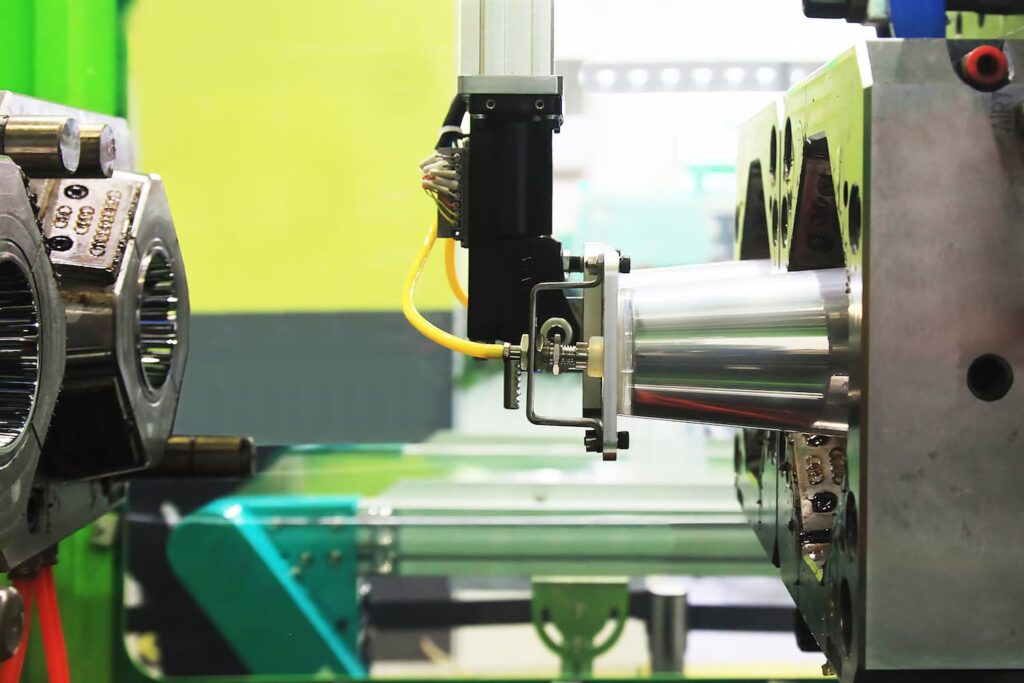
At the heart of many modern industries lies a manufacturing process: injection molding. This technique allows for the creation of products with a precision that was unthinkable just a few decades ago. But what makes this process so indispensable? How has it evolved from its beginnings to the present day? At Walterpack, as a plastic injection molding company, we want to explain in detail how this process works, its history, materials used, and much more. What is Injection Molding? Injection molding is a manufacturing process where plastic material is melted and then injected into a mold, where it cools and solidifies to form a final piece. This method has the capability to produce large volumes of identical parts with high precision and low cost. It is also very useful for mass production of complex components that require strict tolerances and high-quality surface finishes. History and Evolution of Injection Molding Its history dates back to the late 19th century. The first recorded attempt at this process was in 1872 when John Wesley Hyatt and his brother Isaiah invented a machine to mold celluloid. This first device was quite rudimentary compared to modern machines but laid the groundwork for its development. In the following decades, molding saw certain advances, especially with the introduction of synthetic plastics such as polystyrene and PVC. World War II boosted the development of this process as the demand for plastic products increased. In the 1950s and 60s, technology was further refined with the introduction of electronic controllers and more efficient hydraulic systems. Today, injection molding machines are very sophisticated equipment that features precision control systems to produce parts of the highest quality. Injection Molding Process This process can be divided into several stages that end with the production of precise parts. Here, we detail each of these phases: Material Preparation: Plastics used in this technique, whether thermoplastics, thermosets, or elastomers, must be in the form of granules or pellets. These materials are dried and mixed with additives such as colorants, stabilizers, and reinforcing agents to improve their properties or achieve a specific appearance. Melting and Mixing of Plastic: Plastic granules are fed through a hopper into a heated barrel. Inside the barrel, an injection screw rotates and moves the material forward, where it melts through heat and friction. The melting and mixing of plastic ensure that the material is in a homogeneous state and free of impurities. Injection of Plastic into the Mold: Once the plastic is fully melted, the injection screw acts as a plunger, pushing the material at high pressure into the mold. This mold, designed specifically for the part to be produced, has cavities that form the geometry of the part, allowing for large quantities and precise manufacturing. Cooling and Solidification: After injection, the plastic inside the mold begins to cool and solidify. Mold cooling systems help control the cooling rate to prevent deformation and ensure that the part retains its shape. Ejection and Finishing of the Part: Once the part is completely solidified, the mold is opened and the part is ejected using the ejection system. This final process may include additional steps such as deburring, polishing, and quality inspection to ensure that the parts meet the required standards. Materials Used in Injection Molding This type of molding allows the use of numerous raw materials, each with specific properties for different applications. The main types of materials used are: Thermoplastics Thermoplastics are a type of plastic that can be melted and reformed repeatedly, making them suitable for mass production. Examples of thermoplastics include polyethylene (PE), polypropylene (PP), polystyrene (PS), polycarbonate (PC), and acrylonitrile butadiene styrene (ABS). Thermosets Unlike thermoplastics, thermosets cannot be melted and reformed once they are cured. These materials are used when high heat resistance is required. Common examples include epoxy resins, phenolic resins, and melamine resins. Elastomers Elastomers are materials with elastic properties, meaning they can stretch and return to their original shape. They are used for applications requiring flexibility. Popular elastomers include natural rubber, silicone, and polyurethane. Types of Injection Molding Machines There are several types of injection molding machines, each tailored to different production requirements. Hydraulic Machines: The most traditional and use hydraulic systems to move the injection screw and open and close the mold. They are known for their robustness and can handle large volumes of material, though they tend to be less energy-efficient compared to other types of machines. Electric Machines: Use electric motors instead of hydraulic systems, making them more energy-efficient and precise in process control. These machines are suitable for producing small parts that require more precision. Hybrid Machines: Combine the advantages of both hydraulic and electric machines. They use hydraulic systems for operations requiring more force, such as injection, and electric motors for more precise movements. Applications of Injection Molding As mentioned at the beginning, plastic injection molding is at the heart of many industries. The sectors where it is most utilized include: Automotive Industry: Due to its ability to produce lightweight and durable parts, it is used to produce various components such as headlight housings, door panels, and engine parts. Consumer Electronics: Many consumer electronic devices, such as mobile phones, computers, and appliances, heavily rely on this technique. Mechanical Industry: Used to manufacture various products such as syringes, medical equipment components, diagnostic devices, and prosthetics. Its ability to produce sterile parts ensures the safety of medical products. Packaging and Containers: This form of production is used to make packaging and containers for food, beverages, cleaning products, and cosmetics. It enables the creation of lightweight yet durable packaging. Plastic Toys: The toy industry also benefits from this, as it allows for the creation of toys with detailed shapes and a variety of colors. This process is perfect for mass-producing safe and durable toys. This process is very versatile and has revolutionized the production of plastic parts across various industries. It can be performed with a wide range of materials and types of machines, making it a great option for any type of
What is the difference between a thermoset plastic and a thermoplastic one?

Not all plastics are the same; some can be recycled over and over, while others do not change shape, even under very high temperatures. Additionally, each type has distinct properties that make it ideal for different applications, such as electronic devices, construction materials, packaging, bottles, etc. As experts in decorative and industrial plastic injections, at Walterpack, we know this material firsthand. Today, we explain the difference between thermoset plastics and thermoplastics. Definition of Thermoset Plastics A thermoset plastic is a type of plastic characterized by its ability to remain unchanged once molded and hardened by applying heat. This hardening process, known as curing, involves a series of chemical reactions that establish covalent bonds between plastic molecules. These bonds create a three-dimensional network that provides the material with high rigidity. This property makes them ideal for applications that require dimensional stability and high-temperature resistance. Some examples of thermoset plastics include Bakelite, epoxy resins, and phenolic resins. Definition of Thermoplastics A thermoplastic is a material that can be melted and reshaped multiple times without altering its chemical composition. This is because the molecular chains that compose them do not form permanent bonds. This ability to be repeatedly reshaped makes them more recyclable. Their molecules are held together by weaker intermolecular forces, which allow the material to soften with heat and harden upon cooling without undergoing permanent chemical changes. Thanks to this, they have numerous mechanical and thermal properties, which can be adjusted through the use of additives. Some popular examples of thermoplastics include polyethylene, polypropylene, and polyvinyl chloride (PVC). Characteristics of Thermoset and Thermoplastic Plastics To better understand their differences, let’s delve into the individual characteristics of each. Thermoset plastics have the following characteristics: Thermal resistance: they are heat resistant and do not deform or soften once hardened. Three-dimensional stability: they maintain their shape under extreme temperature conditions. Chemical resistance: they are resistant to many chemicals and solvents. Low recyclability: due to their inability to be melted, their recycling is more limited. Rigidity: their molecular structure gives them great hardness. On the other hand, thermoplastics have the following properties: Processing flexibility: they can be reshaped repeatedly with the application of heat. Recyclability: they can be recycled by melting and remolding them. Diversity in mechanical properties: the strength of these materials can vary depending on the type of additives used. Lower heat resistance: they tend to deform when exposed to high temperatures. Comparison between Thermoset and Thermoplastic Plastics The main difference between a thermoplastic and a thermoset plastic is their behavior under heat and their molecular structure. These distinctions directly affect the specific applications for which they are used. Thermosets, once cured, cannot be remelted. In contrast, thermoplastics can be reshaped repeatedly with the application of heat. This property allows the latter to offer greater flexibility in design. The molecular structure is also different. Thermoset plastics have an interlinked molecular structure formed by permanent covalent bonds that create a strong network. On the other hand, thermoplastics have linear molecular chains that do not form permanent bonds with each other. Practical Applications of Thermoset and Thermoplastic Plastics The choice of a type of plastic depends on the specific needs of the task they are intended for. Thermoset plastic is used for applications requiring thermal resistance and stability, such as: Electronic components: used in the manufacture of printed circuits and chip encapsulations, as they have low electrical conductivity. Kitchen equipment: to make pot and pan handles, as they can withstand heat without deforming. Protective coatings: used on surfaces that need to resist chemicals and high temperatures. Construction materials: include adhesives, coatings, and resistant compounds. Thermoplastic is more versatile and is found in a wider variety of applications, such as: Packaging: polyethylene and polypropylene are some of the most well-known alternatives for making bottles, bags, and wrappers. Automotive industry: interior and exterior vehicle components, such as bumpers, dashboards, and body parts. Fibers: polyester and nylon are widely used in clothing, carpets, and other textiles. Consumer products: due to their ability to be molded into various shapes, they are used in all kinds of household items. Classification of Plastics: Thermosets, Thermoplastics, and Elastomers Within this classification of plastics, there are three major categories: thermosets, thermoplastics, and elastomers. Although we have already discussed the first two extensively, elastomers also deserve mention. Thermosets: as already mentioned, they cannot be remelted and are used in applications requiring strength. Thermoplastics: can be reshaped with heat and are used in countless sectors. Elastomers: these have elastic properties, allowing them to stretch and return to their original shape. A good example is rubber, used in the production of tires, gaskets, seals, and products that require wear resistance. Frequently Asked Questions about Thermoset and Thermoplastic Plastics What are thermoset plastics? They are materials that, once hardened by heat, cannot be remelted. This hardening is permanent due to the chemical reactions that form their molecular bonds. What are thermoplastic plastics? These are plastics that can be melted and reshaped multiple times without altering their chemical structure. This property is due to their molecules not forming permanent bonds. What are the key differences between thermoset and thermoplastic plastics? The key differences between thermoset and thermoplastic plastics lie in their thermal behavior and molecular structure. The former cannot be remelted after curing, while thermoplastics can be repeatedly remolded. If you want more information about the plastic industry or have a project to carry out, we encourage you to visit our website. We have been designing emotions for over 30 years.
What is the plastic manufacturing process?
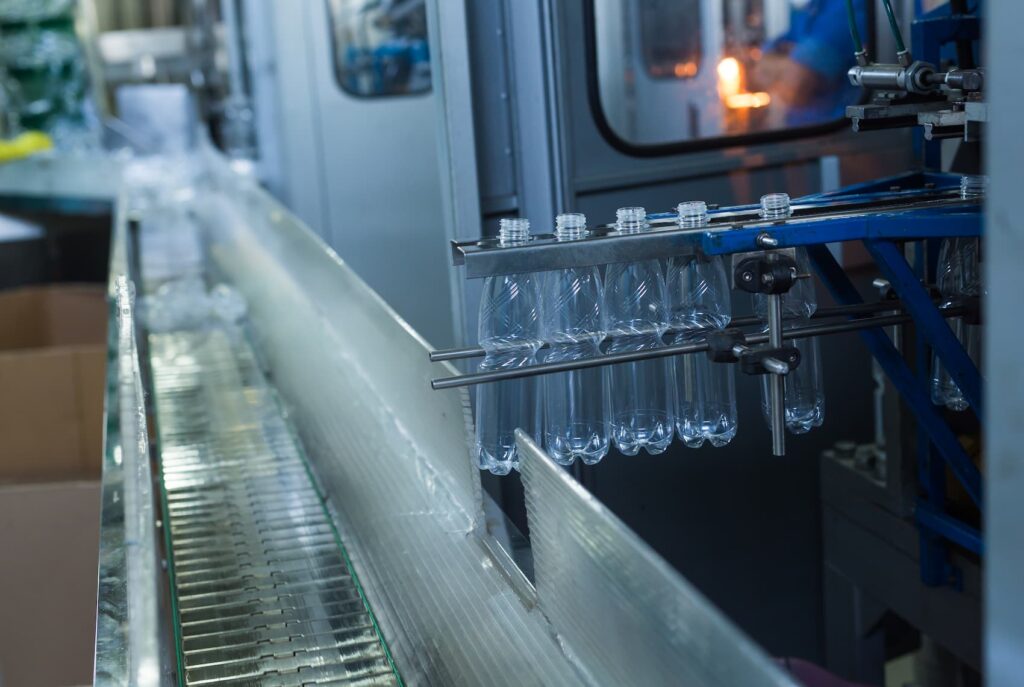
The manufacturing of plastic is a multifaceted process that has transformed industries and daily life worldwide. This material is found in toys, automotive components, packaging, office supplies, etc. At Walterpack, we employ plastic technologies in our projects, and in this post, we explain in detail the plastic creation process, from raw materials to molding and forming methods. What is plastic manufacturing? Plastic manufacturing is the set of industrial processes aimed at converting raw materials into functional products. This process begins with the extraction of hydrocarbons from oil, natural gas, or coal, which are refined to obtain the basic chemical compounds. These compounds, generally in the form of monomers, undergo polymerization reactions, where they are transformed into polymers, which are long chains of molecules that form the base of plastic. Once the polymers are formed, they are processed through molding and forming techniques such as injection molding, extrusion, and blow molding, among others. Also, during manufacturing, additives that enhance their properties, such as strength, flexibility, and durability, can be added. Raw materials used The raw materials used in plastic manufacturing determine the properties and applications of the resulting products. From these sources, the necessary chemical compounds are obtained to create plastic polymers through refining and chemical synthesis processes. What material is plastic made from? Plastic is primarily made from hydrocarbons derived from oil, natural gas, and, to a lesser extent, coal. These natural resources contain organic compounds that, after a refining process, become the basic building blocks for plastics: monomers. Oil: it is the main source of raw materials in the plastic industry. Through a cracking process, long hydrocarbon molecules are broken down to produce ethylene and propylene, which are used to make polyethylene and polypropylene, respectively. Natural gas: mainly composed of methane, it is also used as a source of ethylene and other compounds. Its use has increased due to its availability and lower environmental impact compared to oil. Coal: although less common, coal is processed to produce hydrocarbons through gasification and liquid conversion. Types of plastics There are two main categories of plastics: thermoplastics and thermosets. Thermoplastics: are plastics that can be melted and reshaped repeatedly without altering their chemical properties. Typical examples include polyethylene (PE), polypropylene (PP), and polyvinyl chloride (PVC). Thermosets: once molded and hardened, they cannot be melted again without decomposing. Examples include bakelite, epoxy resins, and unsaturated polyesters. Polymerization processes Polymerization is the process by which small molecules (monomers) join together to form larger molecules (polymers). There are two main types of polymerization: addition and condensation: Addition polymerization: in this process, monomers are added one after another in a chain reaction to form polymers without the loss of small molecules. Condensation polymerization: this type of polymerization involves the joining of monomers with the elimination of small molecules such as water or methanol. The most common polymers include polyethylene (PE), used in bags, bottles, and toys; polypropylene (PP), used in food packaging and automotive components; polystyrene (PS), used in disposable packaging and insulation materials; and polycarbonate (PC), applied in lenses, compact discs, and electronic components. Molding and forming processes Once the polymers are obtained, they are molded and formed into final products through various processes. Below are the most common methods: Injection molding: it is the most widely used technique in plastic injection manufacturing. It involves injecting molten plastic material into a mold under high pressure. This method is perfect for mass production of precise parts. Blow molding: used to make hollow products like bottles and containers. The process involves extruding a tube of molten plastic, followed by injecting air to expand the material against the walls of a mold. Extrusion: it is a continuous process in which molten plastic is forced through a die to create products with a constant cross-sectional shape, such as pipes, profiles, and sheets. Compression molding: in this method, the material is placed in an open mold, heated, and then compressed to take the shape of the mold. It is common in the manufacture of large and durable parts. Rotational molding: involves rotating a mold while molten plastic adheres to its internal walls. It is suitable for creating hollow and large objects. Polymer casting: here, the liquid plastic is poured into a mold and allowed to solidify. It is used for more customized items. Learn more in detail about all the types of plastic molding. Additives and modifications of plastic Additives are components that enhance and modify the properties of plastic to suit various applications. Among the most used are UV stabilizers, which protect the material from degradation caused by sun exposure. Flame retardants are another group of additives that improve fire resistance, making them safer for use in electrical and construction applications. Colorants and pigments allow for the aesthetic customization of products, giving them a wide range of colors and visual finishes. Reinforcements, such as glass or carbon fibers, are also used to increase mechanical strength and stiffness. Fiberglass-reinforced plastic (GRP), for example, is suitable for industrial and automotive applications. Cooling and hardening of plastic After molding, the hot plastic must be cooled in a controlled manner to avoid deformations and internal stresses. Cooling is performed using methods such as air cooling, water immersion, or the use of special fluid cooling systems. This allows the plastic to transition from a molten to a solid state and acquire the necessary mechanical properties. Custom plastic solutions with Walterpack At Walterpack, we are specialists in the manufacturing of high-quality plastic parts through advanced injection and molding technology. We are dedicated to providing customized solutions that meet the specific needs of each client. For more information on innovative solutions in plastic manufacturing and injection molds, contact Walterpack and discover how we can enhance your projects. Frequently asked questions about plastic manufacturing Finally, we want to answer some of the most common questions about plastic manufacturing. What is plastic, and how is it made? Plastic is a synthetic material made up of polymers, which are long chains of molecules. It is made
What is the difference between MIG and MAG welding?
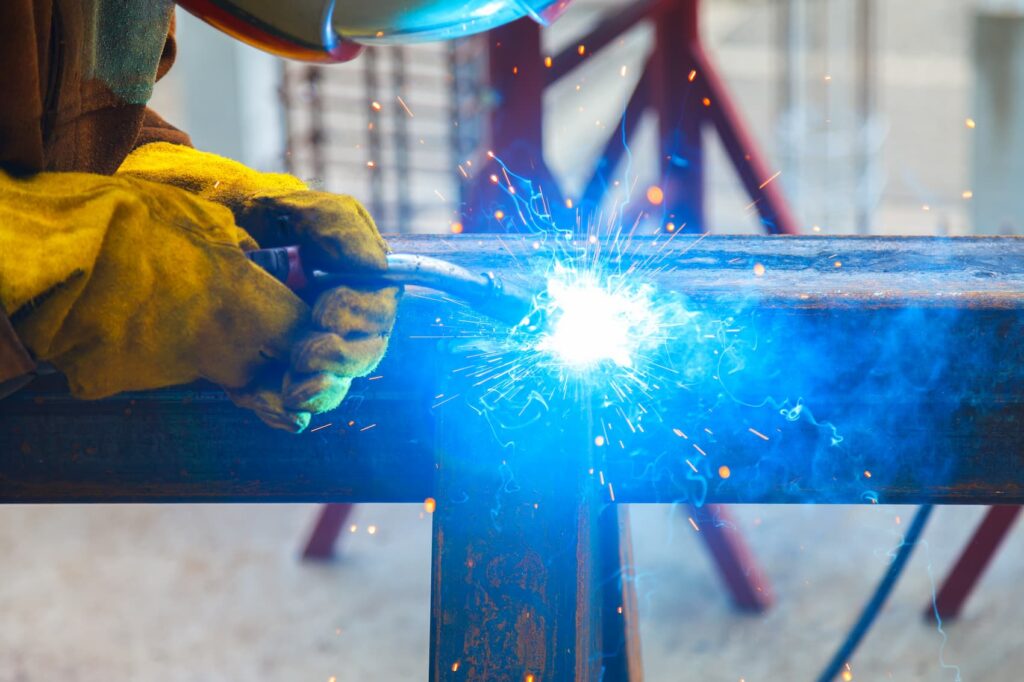
If you are involved in manufacturing, construction, or any type of metalwork, you have probably heard of MIG and MAG welding. These methods are used to create strong and durable connections. At Walterpack, as industrial manufacturers, we are familiar with both techniques. In this post, we want to show you the difference between MIG and MAG welding. Don’t miss it! A Complete Guide to MIG and MAG Welding Welding is a material joining process, usually involving metals or thermoplastics, by fusing their surfaces and adding a filler material that, when cooled, forms a permanent bond. There are various methods, but the most common are MIG (Metal Inert Gas) welding and MAG (Metal Active Gas) welding. What is MIG Welding? MIG welding, or Metal Inert Gas welding, is an arc welding process that uses an inert gas to protect the area from environmental contamination. This inert gas, commonly argon or helium, does not chemically react with the base material, resulting in clean joints. The process involves the continuous feeding of a welding wire from a spool through a gun. The wire acts as an electrode and melts under the heat of the electric arc formed between the wire and the workpiece. The inert gas is supplied through the same gun, creating a protective atmosphere around the arc and the weld in progress. What is MAG Welding? MAG welding, or Metal Active Gas welding, is a similar process to MIG in that it uses an electric arc to melt a wire that is continuously fed. However, unlike MIG, MAG welding uses active gases such as carbon dioxide (CO2) or gas mixtures with oxygen. These gases chemically react with the base material and influence the properties of the weld. Carbon dioxide is the most commonly used gas due to its low cost and its ability to penetrate the arc effectively into the base metal. However, the use of CO2 causes splatter and requires more post-weld cleaning compared to inert gases. History and Evolution of MIG and MAG Welding The history of MIG and MAG welding dates back to the 1940s, in the context of World War II, when the need to produce weapons and military vehicles quickly spurred the development of new welding methods. MIG welding was the first to be developed in 1948, in the United States, and was initially designed for welding aluminum and other non-ferrous metals. Inert gases were later introduced as protection against oxidation. Shortly after, MAG welding emerged, designed to offer a more economical option for welding carbon and low-alloy steels. The incorporation of active gases improved arc penetration and stabilized the welding process. Main Differences Between MIG and MAG Welding It is important to understand the differences between MIG and MAG to select the most appropriate method. Although both methods use similar principles and continuous wire feeding, the variations in shielding gases influence the final results. Type of Gas Used The main difference between MIG and MAG welding lies in the type of gas used. MIG: uses inert gases such as argon or helium, which do not chemically react with the welding material or the base metal. This results in cleaner outcomes. MAG: uses active gases like carbon dioxide (CO2) or gas mixtures with oxygen, which react with the material to enhance penetration and arc stability. Applications and Compatible Materials The choice between the two techniques also depends on the type of material and the specific application. MIG: ideal for welding non-ferrous metals like aluminum and stainless steel. It is widely used in the automotive industry and in the manufacturing of metal structures. MAG: suitable for carbon and low-alloy steels. It is common in the construction industry and in the manufacturing of heavy machinery, where cost efficiency in welding thick materials is an important factor. Cost and Efficiency Cost and efficiency are two factors that need to be considered. MIG: although inert gases like argon are more expensive, this method offers high-quality welds with less splatter and post-weld cleaning, justifying the additional cost. MAG: more economical due to the lower cost of carbon dioxide and active gas mixtures. This method is more efficient for welding thick steels. Advantages and Disadvantages of Each Process Each type of welding has its advantages and disadvantages that influence the decision based on the type of project, the materials to be welded, and the working conditions. Below, we present these advantages and disadvantages. Advantages and Disadvantages of MIG Welding MIG welding produces high-quality pieces with clean finishes, perfect for non-ferrous metals like aluminum and stainless steel. Its lower splatter generation reduces the need for post-weld cleaning, saving you time and effort. However, the higher cost of inert gases increases operational expenses. Additionally, it is less efficient for welding thick materials and requires more sophisticated equipment, which can be a barrier for small workshops or projects with limited budgets. Advantages and Disadvantages of MAG Welding MAG welding is more economical and efficient for heavy industrial applications. The use of active gases reduces operational costs and is particularly efficient for welding thick materials, providing good arc penetration and greater stability. On the other hand, MAG welding produces more splatter, resulting in a less clean finish. Also, the finish quality is not as high as in MIG welding, which is a drawback in applications that require a perfect aesthetic appearance. Factors to Consider When Choosing Between MIG and MAG Now that you know the difference between MIG and MAG welding, we want to share certain factors to consider: Type of material: MIG welding is better for non-ferrous metals, while MAG is more suitable for carbon and low-alloy steels. Required weld quality: if the quality of the finish is a decisive factor, MIG is the best option. Cost and budget: MAG is more economical due to the lower gas cost. Material thickness: MAG welding is more efficient for thick materials. And that’s it, we hope you now understand the differences between MIG and MAG. If you have any project proposals, or if you