
What is a Tier 1 automotive company?
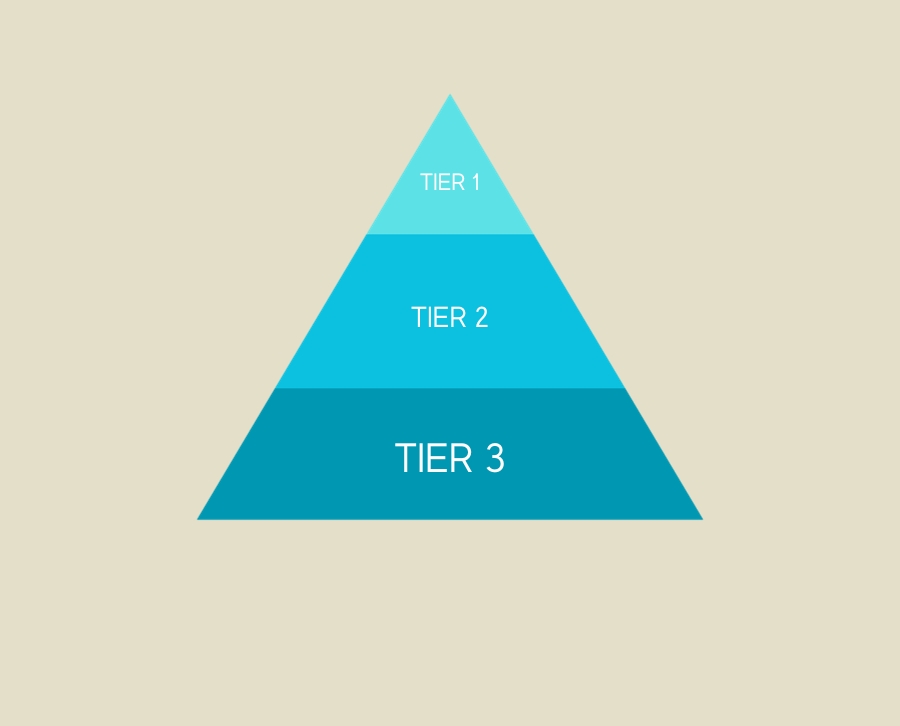
In the automotive industry, as in many others, a system of classification by levels or tiers exists. These tiers categorize suppliers in a supply chain based on their proximity to original equipment manufacturers (OEMs), the risks they pose, and the significance of the products or services they offer. In this article, we will delve deeper into the concept of being a Tier 1 automotive company. We’ll explore what it takes for a company to earn this classification and highlight the differences compared to Tier 2 and Tier 3. Understanding TIER 1 in the Automotive Industry In the automotive sector, Tier 1 companies are suppliers that manufacture components or systems sold to original equipment manufacturers (OEMs)—companies that design and assemble vehicles. Tier 1 suppliers often play a crucial role in the industry by providing OEM manufacturers with components or systems essential for producing safe, efficient, and appealing cars. Maintaining close relationships with vehicle manufacturers, they frequently collaborate to create high-quality products that seamlessly integrate into vehicles. Similar to vehicle manufacturers, Tier 1 suppliers constantly innovate, developing new products that meet customers’ evolving needs. Components and systems typically manufactured by Tier 1 companies include engines, transmissions, brakes, interior elements, suspension systems, steering components, electronics, and security systems, among others. Requirements for a Tier 1 Supplier in the Automotive Industry What does it take for a company to be considered a Tier 1 supplier? To earn this classification, a company must meet high standards of quality, safety, and efficiency, among other criteria. Some of the conditions required include: High Quality: Tier 1 companies must provide high-quality parts and systems that meet strict standards set by car manufacturers. This involves compliance with safety regulations and rigorous tests to ensure performance. Safety: Manufactured parts must not only be of high quality but also reliable and safe for both drivers and passengers. Compliance with the industry’s stringent safety standards is essential. Efficiency: Given the large demand and strict delivery deadlines from car manufacturers, Tier 1 suppliers must be operationally competent to meet production and supply chain requirements efficiently. Innovation: The dynamic nature of the automotive industry requires Tier 1 companies to continually innovate, developing new products and applying cutting-edge technologies. It’s worth noting that these are general requirements, and each company may have specific criteria based on its operations and the type of components or systems it supplies. Role of Tier 2 and Tier 3 in the Automotive Sector What functions do Tier 2 and Tier 3 companies serve in the automotive industry? These suppliers provide components or raw materials to Tier 1 suppliers. Tier 2: Tier 2 suppliers are usually smaller companies than Tier 1 but specialize in manufacturing specific components essential for the latter. They typically produce metal parts such as axles, frames, and bodies, plastic parts like bumpers, headlights, or interior panels, and electronic components such as screens, sensors, processors, and even plastic parts with integrated printed circuits. Tier 3: Tier 3 manufacturers produce materials or equipment for Tier 1 and 2 companies. They manufacture raw materials like plastic, rubber, steel, and aluminum, as well as tools and equipment used by companies. Additionally, they provide engineering, testing, and logistics services. In our case at Walter Pack, we specialize in developing innovative solutions for our customers. We focus on designing and producing decorative and functional plastic parts for sectors such as automotive and home appliances. We take pride in our commitment to sustainability and efficiency in our manufacturing processes.
Decarbonization in the automotive sector

One of the greatest challenges our planet faces is climate change. Greenhouse gas emissions from human activities continue to worsen the problem as their consequences become more apparent. In order to address this issue, various decarbonization processes have taken place in different industries, especially in the automotive sector. Through measures such as adopting electric vehicles, using renewable energy, and implementing more efficient technology, the goal is to reduce our carbon footprint, creating a cleaner and more sustainable environment in the long term. In this article, we will not only make you aware of the importance of decarbonization in the automotive industry but also in other sectors. You will discover what this process entails, the long-term benefits it poses, and the necessary steps to achieve the objective. What is Decarbonization? In simple terms, decarbonization is a process that involves reducing or eliminating carbon dioxide (CO2) emissions, as well as other greenhouse gases, which result from human activity. The primary aim of this process is to mitigate climate change and all its associated consequences by opting for low-carbon or entirely neutral alternatives. Certain processes, such as the burning of fossil fuels like coal, oil, or natural gas, release significant amounts of CO2 into the atmosphere, contributing significantly to the greenhouse effect and, consequently, global warming. Therefore, decarbonization involves transitioning from such fuels to cleaner and renewable energy sources, including solar, wind, hydroelectric, geothermal, and even nuclear energy, which contribute minimally or not at all to CO2 emissions. While this process is not exclusive to the automotive industry, it extends to other sectors, as we will see later. Industrial Decarbonization Industries such as construction, livestock, agriculture, manufacturing, and transportation are largely responsible for greenhouse gas emissions and temperature increases due to their energy-intensive processes, use of fossil fuels, or harmful chemicals damaging the ozone layer. To address climate change, it is necessary to fulfill international commitments regarding emission reduction. Additionally, a combination of strategies and key technologies must be applied to achieve long-term industrial decarbonization: 1. Energy Efficiency Decarbonization and energy transition are essential to reduce CO2 emissions in the industry. This process involves optimizing production processes, minimizing energy losses, and adopting more efficient equipment. 2. Use of Renewable Energy Many industries are adopting renewable energy sources such as solar, wind, biomass, and hydroelectric power. Popular alternatives include installing solar panels or wind turbines to generate clean energy. 3. Electrification Replacing fossil fuels with electricity is also a trend. Many industrial processes that once relied on fossil fuels now use technologies like electrolysis and electric heating, allowing the use of renewable energy while reducing emissions. Electrification is also present on a smaller scale in sectors like construction, where electric machinery like lifts, forklifts, and excavators are being preferred. 4. Circular Economy and Recycling A growing alternative is the transition to a circular economy, where waste and by-products are reused instead of discarded. This can help reduce pollution and emissions in the long run by efficiently utilizing materials and resources, decreasing the need for extracting and producing new products. Transformation in the Automotive Sector Despite continuous advancements in the efficiency and reduced fuel consumption of internal combustion engine vehicles, the path to decarbonizing the automotive sector is one of the most challenging, requiring accelerated adoption of electric vehicles. Meeting emission reduction goals has become challenging due to various external factors. The automotive industry must contend with inconsistent international regulatory frameworks and limited access to the raw materials needed for electric car production, along with a lack of competitive green business models. Fortunately, change is occurring naturally, driven by emission regulations and consumer demand. Factors such as competitive pricing, high technological integration, excellent range, and zero emissions, both CO2 and noise, have captured consumer attention, creating a market that was hard to imagine a few years ago. The road to decarbonization is complex and filled with challenges, but not impossible. With the increasing demand for electric cars, the adoption of green production processes, and the mentioned measures, we may achieve the goal of decarbonization in the not-so-distant future, not only in the automotive industry but also in other sectors. There is no doubt that the planet’s decarbonization process will be arduous and time-consuming, but it is undoubtedly necessary for our future and that of future generations. At Walter Pack, we advocate for sustainable and planet-friendly solutions by opting for highly automated and efficient machinery and processes.
Expanded polypropylene(EPP):top material in the automotive industry

Over the years, the automotive industry has developed a multitude of materials for the manufacture of parts, with expanded polypropylene being one of them. At Walter Pack, we want to tell you what polypropylene is, its properties, and its most common uses in the industry, taking advantage of our vast experience in the development of parts for the automotive sector… What is expanded polypropylene and properties? Expanded polypropylene is a type of expandable resin that is composed of 98% air, so it is extremely lightweight. It is also known for its great mechanical strength, which is why it is used in multiple applications in various industrial sectors. EPP, developed in the 1970s, was the result of various research into new forms of polypropylene. It began to be used in Japan in 1982 to manufacture automotive products, and it is currently one of the industries that use it the most, due to its lightness, flexibility, and high impact absorption. As for manufacturing, it is usually quite complex, as it depends on two important factors: technical knowledge and specialized equipment for it. The whole process requires several phases, under strictly controlled environmental conditions. The procedure begins with the mixing of the polypropylene resin with other ingredients. The extruded granules are expanded until they become foamed polypropylene beads. Subsequently, the EPP beads are injected into multi-cavity molds, where the heat of the steam combined with the pressure causes these beads to fuse, taking the shape of the mold. EPP is available in different grades depending on the application and technical requirements. High-density grades are used in applications where a high energy management is required, such as the case of automobile bumpers and interior safety elements for passengers. There are also low-density grades, which are used for packaging applications. Finally, medium-density grades are used to manufacture furniture and various consumer items. Properties of expanded polypropylene As mentioned, EPP has multiple properties. The most important are: · It has great mechanical and chemical resistance. · It is resistant to compression. · It is resistant to moisture. · It has good insulating properties, both thermal and acoustic. · It is lightweight. · It is durable. · It has a high impact absorption. Applications and benefits of polypropylene in the automotive industry Due to all these properties, it is a material that can be used in various applications, with the construction of automobile parts being one of the most important. That is why we will explain the use of this material within this industry. Interior elements The first thing we must mention is its great energy absorption capacity and its lightness, two essential qualities for developing parts such as shock absorbers and air grilles. These components must be lightweight to optimize the weight of the car. In the same way, thanks to its high impact absorption, EPP is used to manufacture other components for the car cabin, such as headrests, door seals, and other shock absorbers. This guarantees the safety of passengers in the event of an accident. Floor components EPP is also used to manufacture floor components. They are used to level the floor of the vehicle, thanks to the fact that it is a highly flexible material with which complex shapes can be designed. Luggage compartment accessories Similarly, it is used to make tool accessory kits, spare wheels for the luggage compartment, battery covers, among others. The reason for this is that it is a resistant material, so much so that it has enough strength to hold tools securely in the luggage compartment. Armrests Also, EPP is used to make armrests, thanks to its strength and the fact that it does not suffer permanent deformation. This means that it returns to its previous shape when the pressure is stopped. At the same time, it offers stability and comfort. Headrests and seat inserts Similarly, polypropylene foam EPP is used to manufacture headrests. Headrests, being a passive safety component, have to be manufactured with excellent quality materials that provide the driver with the correct protection in the event of an accident. Its great resistance to damage and great comfort make it perfect for this, not to mention that it is also used to manufacture car seat inserts, due to being a profitable and lightweight material. At Walter Pack, we are always looking for materials that provide our customers with the best performance for their projects. That is why we use EPP to manufacture decorative and functional parts for sectors such as automotive or white goods, among others. We take advantage of its properties to create lightweight parts that can withstand wear and tear.
DFMA – Design for Manufacturing and Assembly

The application of DFMA is essential today, especially as companies are always looking for ways to reduce costs, improve efficiency and, of course, improve product quality. In this sense, this technique is incredibly beneficial, as it is used to facilitate the manufacturing and assembly process of products. No matter what stage of development it is in, it can be applied at each stage. From the development of the idea to its manufacture. In short, with DFMA, obstacles that hinder the creation of the product can be identified and eliminated. What is DFMA? DFMA (Design for Manufacturing and Assembly) is a set of methodologies created with the purpose of “challenging” the design. Thanks to these tools, the complete design process can be studied systematically to ensure its optimization and prevent unnecessary future costs. This industrial design method originated in 1983 and was created by Drs. Boothroyd and Dewhurst. With the advent of DFMA, many companies in sectors such as IT, furniture, agricultural machinery and automotive were able to save large sums of money in manufacturing, assembly and maintenance of their products. The reason for this is that it is much easier to make changes at the beginning of the design process, regardless of whether it is a new product or an existing one. Now, DFMA is governed by the following rules: · The design must be as simple as possible, which eliminates unnecessary features. · Use standard materials and processes to make the development and assembly of the device simpler. · Minimize the number of parts so that the manufacturing cost is lower. · Make the product easy to assemble and thus reduce the need to use specialized tools for this. In fact, modular assembly is quite attractive for DFMA, since in this case it is possible to transform a product without losing its overall function. In other words, the less custom-made parts have to be developed, the more time will be available to focus on other specific product problems. Benefits of Design for Manufacturing and Assembly Now, for the application of DFMA, it is important to analyze some principles, which provide the following benefits. The first point to analyze is the product’s process and life cycle. Here, the appropriate manufacturing process for the product must be chosen and its life cycle must be foreseen. In this sense, DFMA helps to understand all the manufacturing phases to correctly estimate its final cost, that is, the one that is closest to reality (the management cost chain is analyzed). Also, DFMA favors team organization, as it improves communication between design, manufacturing, purchasing, etc. departments. This increases creativity and knowledge about the product, which results in a decrease in costs. On the other hand, with DFMA, the product architecture is investigated. In other words, its functions and possibilities are studied, which is very important because it must be known if the product can withstand the environment. Finally, the design and development is studied. This means that, to achieve advanced product development, it is necessary to have knowledge of innovative manufacturing technologies, materials, product parameters such as tolerances, and future users or customers. By applying DFMA, all this data is obtained, which is essential for choosing the right option. It is clear that the application of DFMA is very beneficial when designing and manufacturing a product. For example, it can be made so that the correct orientation of a part is obvious, so as to waste less time in the assembly process. This is fixed by making a small notch in the part to indicate the correct way to place it. The important thing in the end is to consider the design process as a whole and, in this way, develop a product that meets all the stages we have mentioned. There is no ideal design plan, so the most advisable thing is to opt for an integrated approach. Of course, the reduction in costs and development time will always be the goal of any company, so applying DFMA is a good solution to achieve this, without forgetting the needs of the user. At Walter Pack, we follow a strict methodology in the development of our products, to ensure that we provide our customers with high-quality parts in the shortest possible time. If you are interested in our services, contact us to find out how we can help you.
Antolin, e2ip and WalterPack join forces to develop In-Mold Electronics technology
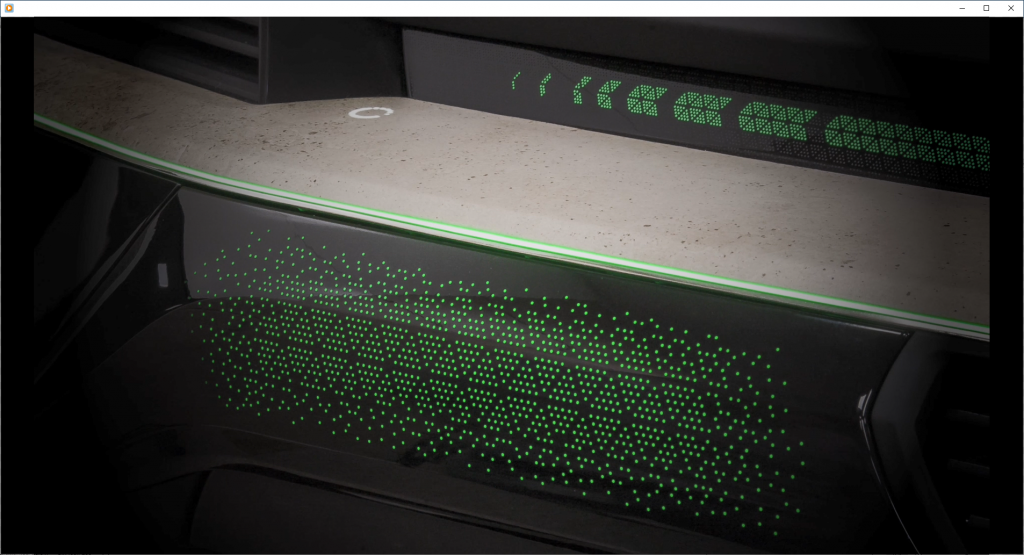
The companies create the In-Mold-Electronics (IME) Alliance to offer a global and highly scalable manufacturing capacity for this innovative technology, driving innovation in the automotive industry and reducing electronics eco footprint of custom HMI solutions.
Walter Pack develops iconic, innovative control panel for two Tata Motors flagship vehicles
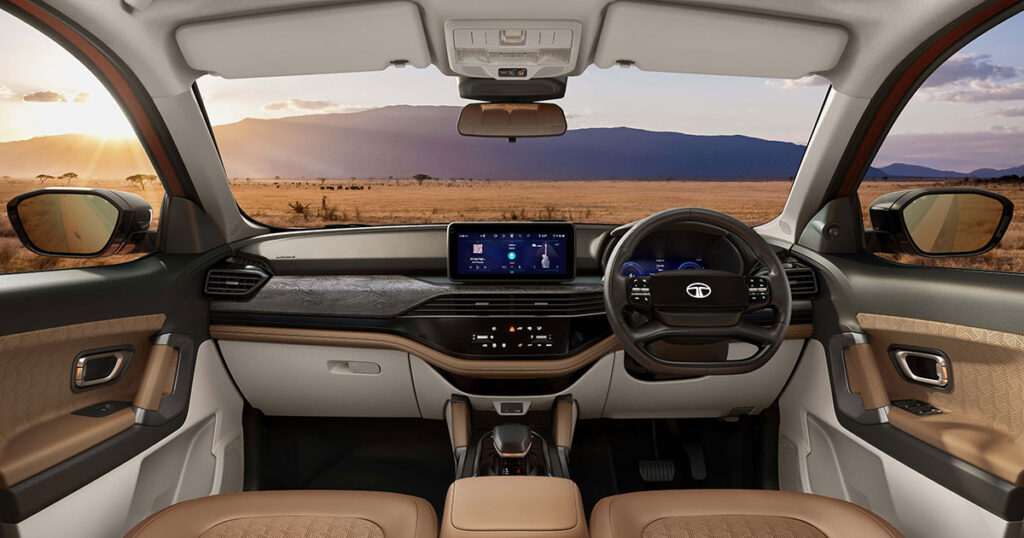
Walter Pack and its strategic collaboration with Antolin have developed an innovative, iconic touchscreen control panel that integrates into the cockpit of two of Tata Motors’ flagship vehicles, the new Harrier and Safari SUVs.
Carbon neutrality cruises into the automotive industry
The concern about the climate situation and sustainability is more relevant than ever today. Various sectors of the industry are making efforts to improve various aspects of their production processes in order to achieve a pollution-free environment.
Exploring sustainable materials for Home Appliances

Sustainability is playing an increasingly significant role in industrial production. Its importance has now reached a level similar to other fundamental aspects such as growth and safety. Leading brands are now blending their quest for efficiency in household appliances with the incorporation of eco-friendly materials in their production processes.
Reducing the weight of automotive components

In today’s context, European regulations aim to reduce the amount of materials used in manufacturing processes as a way to decrease CO2 emissions and minimize environmental damage. One of the major sectors affected by these regulations is the automotive industry, which is increasingly striving to create efficient vehicles without incurring significant losses. One strategy adopted by automotive companies is designing lighter vehicles using fewer materials. To achieve this, they are exploring the development and use of alternative, strong, and durable materials, including various types of plastics. In the following article, we provide detailed insights into the most commonly used materials for creating lighter and environmentally-friendly cars. How much does a light car weigh? First and foremost, it’s essential to understand that the weight of a lightweight car depends on several factors, including size, vehicle type, and the materials used in its manufacturing. However, the general process that companies follow to make their cars lighter is essentially the same. The process begins with the smaller and more aesthetic parts. This is because it’s much simpler to evaluate which components can be made from lighter or hollow materials while still meeting cost and quality requirements. Lighter plastics Now, as mentioned earlier, plastic is one of the most commonly used alternative materials. This is because many of its varieties offer a great balance of weight and strength, as well as being more cost-effective. Among the lightweight plastic types are: Polypropylene (PP) Polypropylene is a highly flexible thermoplastic that’s resistant to fatigue, heat, and impacts. It’s primarily used in exterior parts and accessories for automobiles. It’s commonly chosen for components that require both toughness and a lightweight structure. Its density, around 0.9 g/cm3, makes it one of the lightest materials. What’s remarkable about this material is that methods have been developed to make it even lighter. One approach involves using high-performance reinforcements like Hyperform HPR-803, rather than chopped fiberglass. This can make the material up to 15% lighter while also increasing its rigidity and impact resistance. Polyethylene Due to its mechanical properties, polyethylene is quite similar to polypropylene. It has a density of 0.92 to 0.97 g/cm3, making it slightly heavier than polypropylene. However, it’s stiffer and offers resistance to deformation. It’s commonly used to manufacture parts that require high chemical resistance, such as fuel tanks, hoses, and even carpets. ABS With a density ranging from 1.04 to 1.07 g/cm3, ABS is one of the lighter and more robust plastics used today. It’s a thermoplastic known for its toughness and impressive impact resistance. ABS plastic is employed as a means to reduce weight in modern vehicles, being incorporated into parts like grilles, fender extensions, hubcaps, door panels, front panels, rear bumpers, and more. Thanks to its lightweight nature and exceptional strength, ABS was used to manufacture the world’s first 3D-printed car, which weighed less than 500 kg in total. Which materials work best for automotive applications? The plastics we’ve mentioned are some of the lighter and commonly used ones in the automotive industry, thanks to their composition and various properties. However, other plastics are also employed in car manufacturing, such as: Polycarbonate Polycarbonate is a thermoformable plastic that’s easily molded, known for its extremely high impact resistance and glass-like transparency. It boasts impact resistance that’s 250 times greater than regular glass, making it a common choice for manufacturing headlight lenses and even bulletproof glass. It’s also used in electronics to produce touch panels with integrated circuits. Its versatility and exceptional properties make it a valuable material in various industries, including automotive and electronics. Nylon This refers to a plastic reinforced with either mineral or glass fibers, which enhances its mechanical properties and makes it stiffer without significantly increasing its weight. It’s highly wear-resistant, making it a preferred material for manufacturing gears, bearings, bearings, and even manifolds. The best part is that it weighs only 15% of what steel weighs and 40% of what aluminum weighs. Achieving weight reduction in cars today can be a real challenge for the automotive industry. However, by using materials like those mentioned earlier, along with innovative molding techniques, achieving the sought-after sustainable design is possible. That’s precisely what we do at Walter Pack. Through injection, plastronics, and prototyping techniques, we can manufacture parts for smart, functional, and decorative cars. Feel free to reach out to us to learn how we can help turn your dreams into reality.
What is dynamic lighting?

In order to offer people maximum comfort and convenience, technology and innovation are two key factors applied in various aspects of daily life. Dynamic lighting is one of these tools, as it offers the opportunity to take a leap forward when it comes to illuminating spaces and environments, not only in homes and offices but also in the automotive sector. But what is this technology all about? At Walter Pack, we will explain all the details about it. What is dynamic lighting? Also known as technical, decorative, or linear lighting, dynamic lighting is an intelligent lighting mechanism. This means it regulates and adjusts based on the environment and the amount of natural light present. In this case, dynamic lighting replicates the patterns of natural light and aligns with the body’s circadian rhythms. The purpose of this mechanism is to create natural environments that promote the well-being of users, considering changes in light intensity, warmth, and color tone. How does dynamic lighting work in cars? This system is built upon an intelligent mechanism that adjusts based on ambient conditions. It consists of a set of dynamic LED lights that change in intensity, color, orientation, and more. The automotive sector employs this mechanism in the production of vehicles with headlights that adjust their intensity and focus. Dynamic lighting allows drivers to enhance their road visibility in low-light conditions, adverse weather, or on winding roads, thereby increasing safety. Typically, dynamic lighting systems comprise sensors and actuators that regulate light intensity. These include various technologies such as: Ambient Light Sensors: These measure ambient light levels and adjust the beam intensity to prevent blinding other drivers. Rain Sensors: These adapt light intensity based on the amount of rain, enhancing driver visibility in wet conditions. Headlight Actuators: These modify the angle and focus of the beam. Temperature Sensors: They measure air temperature and adjust the color temperature of the light to prevent glare. This improves driver visibility, especially in icy or snowy conditions. Speed Sensors: They determine the car’s speed and automatically adjust the light, improving road visibility as speed increases. Furthermore, some dynamic lighting systems can incorporate advanced technology like laser lighting, which offers brighter and more uniform illumination than halogen lights. Types of dynamic lighting systems There are various types of dynamic lighting systems. For instance, there are adaptive lighting systems that adjust the light beam based on characteristics such as speed, steering direction, and distance to other vehicles. With these systems, at low speeds, the beam illuminates the sides, helping to light up corners and nearby obstacles. Conversely, at high speeds, the beam is directed forward to illuminate the road better. Another type is the dynamic curve lighting system. This mechanism moves the headlight in the direction of the curve, which is particularly useful on winding roads. These devices not only enhance driver safety but also contribute to driver comfort by reducing visual fatigue. Characteristics of dynamic lighting systems The following are the most important characteristics of dynamic lighting systems: Adaptability Exactly, dynamic lighting systems have the capability to adjust the lighting based on various environmental conditions, such as weather, time of day, and the presence of other vehicles. Aesthetics of dynamic lighting systems Absolutely, when it comes to design and aesthetics, dynamic lighting systems can be a fantastic addition, making them a feature that adds uniqueness to modern vehicles. The use of LED lights opens up a range of possibilities for customization, including different colors, precise light patterns, and varying levels of brightness. Tail lights and headlights can be designed to complement the vehicle’s appearance and enhance its overall aesthetic appeal. This level of personalization allows car manufacturers to create distinctive visual signatures for their vehicles, setting them apart and contributing to their brand identity. Dynamic lighting not only improves visibility and safety but also serves as a design element that contributes to the overall attractiveness and recognition of the vehicle. It’s a blend of functionality and style, adding a touch of sophistication to modern automotive design. Customisation They can be adjusted according to the driver’s needs. An example of this is their ability to change beam direction, intensity, and color based on specific driving conditions. As time goes on, we can certainly expect even more modern and sophisticated lighting systems that are more adaptable and offer higher levels of safety than what our current systems provide. This will result in a more enjoyable and comfortable driving experience. At Walter Pack, we combine our advanced plastic injection and molding techniques with the latest dynamic lighting systems to offer our customers comfort, luxury, and sophistication.