
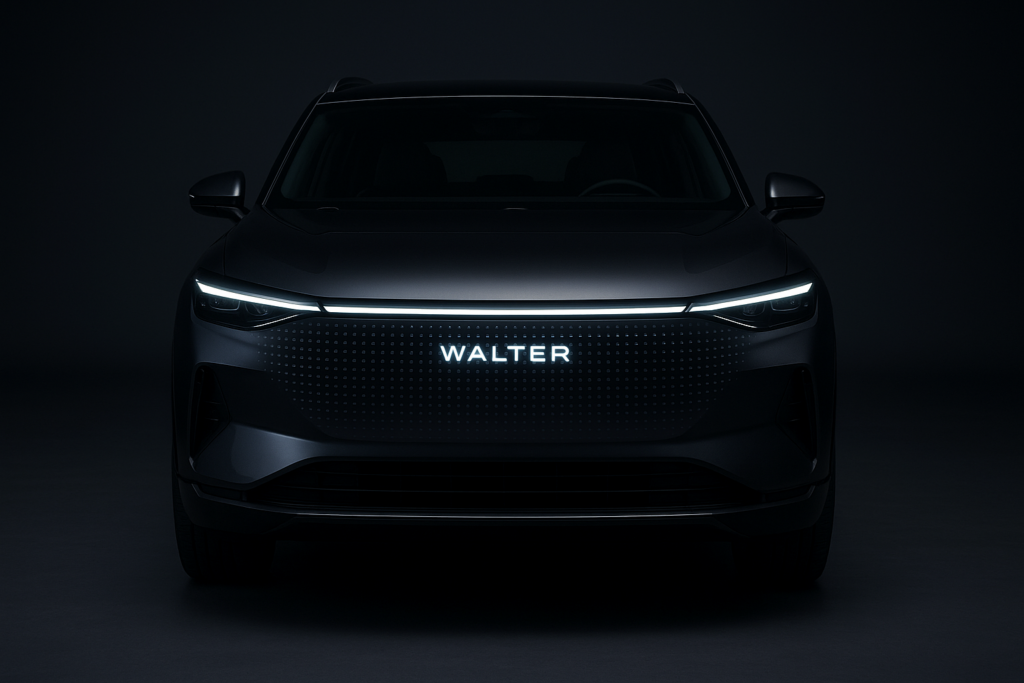
The car of the future is being designed in Stuttgart
La apuesta de Walter Pack por la igualdad y su pertenencia a NER Group ha animado a dos de sus líderes, Sonia López e Itxasne Cruz, a participar en una iniciativa con un objetivo estratégico: combatir las posibles brechas de género y fomentar las competencias STEAM entre el alumnado joven.
Walter Pack brings its smart surfaces to Automotive Interiors 2026
The Basque company takes part in the sector's leading trade fair as part of the ICEX Spain Pavilion, with a proposal focused on the technologies redefining the interior and front end of the electric vehicle. The rise of the electric vehicle is not only changing what lies under the bonnet. It is transforming every surface the driver sees, touches and interacts with — and in doing so, it is opening a new era for interior component manufacturers. Against this backdrop, Walter Pack will be present at Automotive Interiors 2026, one of the most influential trade fairs in the sector worldwide, where it will present its latest developments in decorative and functional surfaces for the new era of electric mobility. The company, headquartered in Igorre and with over thirty years of experience in the development and manufacture of plastic components for the automotive industry, will attend as part of the Spain Pavilion organised by ICEX — a platform that brings together the Spanish companies with the greatest international reach in the industrial sector. From bumper to canvas One of the most visible changes brought about by automotive electrification affects the front end of the vehicle. Without a combustion engine, the front grille loses its original function — and with it, the design constraint that for decades shaped the aesthetics of cars disappears too. What was once a technical necessity becomes a free surface: a space in which to integrate dynamic lighting, invisible ADAS sensors and custom graphics beneath a continuous, closed outer skin. It is precisely in this territory that Walter Pack has developed one of its most distinctive propositions. The company designs and manufactures intelligent front panels for electric vehicles using high-pressure forming and injection technologies, capable of producing parts up to 1.6 metres in length with Class-A finishing and full readiness for series production. A capability that very few manufacturers in the world can offer at this scale. The steering wheel as interface Beyond the front end, the transformation of the electric vehicle interior raises another significant challenge: the steering wheel. What for decades was a mechanical control device is progressively becoming the primary interface between the driver and the vehicle — a touchpoint that must combine ergonomics, premium aesthetics, integrated electronics and durability under the most demanding conditions. Walter Pack addresses this challenge with a range of solutions spanning from conventional physical controls to fully backlit interfaces with capacitive touch functions, presence sensors for ADAS systems and displays integrated directly into the steering wheel hub. All in a single part, ready for series industrialisation. Over three decades of experience Walter Pack's proposition at Automotive Interiors 2026 is completed by its line of decorative interior surfaces — dashboard trims, door panels and centre consoles developed with IMF, IMD and IME technologies that allow lighting, electronics and premium tactile finishes to be integrated into a single part. A proposition that has already found its place in some of the most demanding OEMs in the industry: Audi, BMW, Alfa Romeo, Mercedes Maybach, Renault and Jeep are among the company's reference clients. With 600 professionals, nine subsidiaries across Europe, the Americas and Asia, and one hundred per cent of its production processes managed in-house, Walter Pack arrives at this edition not merely as a component supplier, but as a full development partner — from first concept through to complete industrialisation. The company is part of NER Group, a Basque business alliance of sixteen organisations committed to a management model based on people, trust and long-term sustainability. Download the full Walter Pack Automotive Interiors 2026 presentation DOWNLOAD → PDF
“We need to get closer to the end customer and deliver competitive, high-quality products directly.”
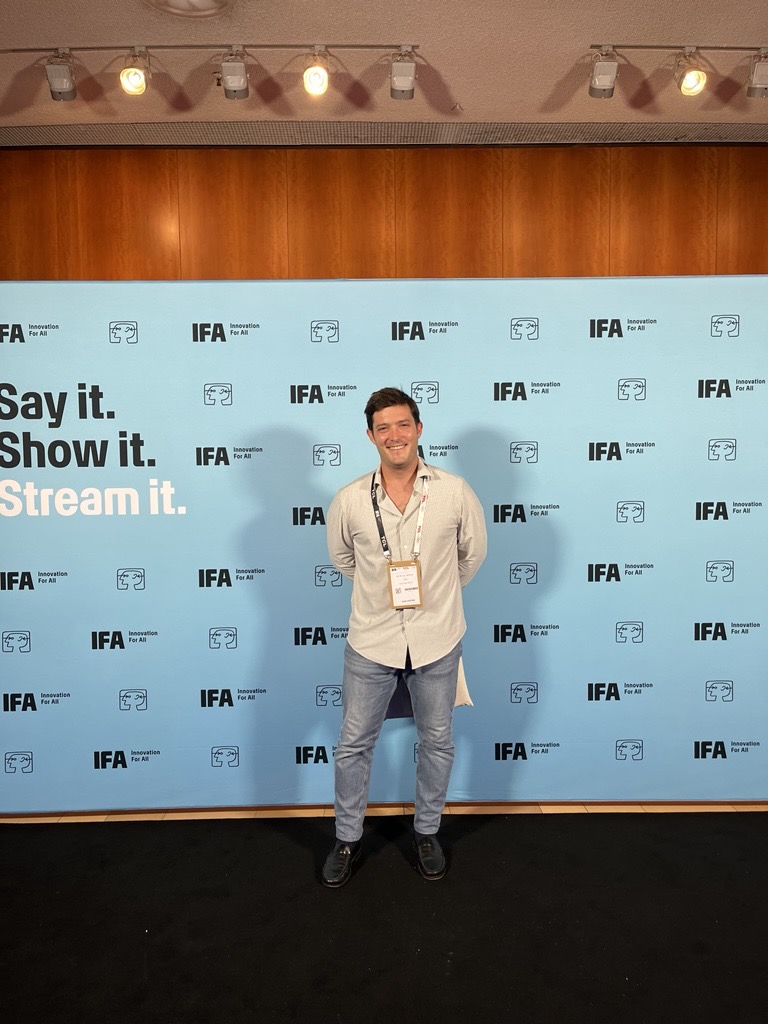
Entrevista a Miguel B. Jiménez – Eguizabal Interview with Miguel B. Jiménez – Eguizabal “We need to get closer to the end customer and deliver competitive, high-quality products directly.” Miguel B. Jiménez Eguizabal returned from the IFA Berlin trade fair with a clear perspective on Walter Pack’s business opportunities. Alongside valuable insights and first-hand feedback, he also came back with renewed ambition about the organization’s potential. In his view, Walter Pack not only has the right technology to enter new markets such as beauty devices, sports equipment, gaming peripherals, and drones, but it is also time to take a step forward: reaching the end customer directly, cutting out costly intermediaries, and offering first-class solutions at competitive prices. Q. A. Q. A. IFA Berlin remains the beating heart of the home appliance and consumer electronics ecosystem. Did you come across any new trends or technologies that caught your eye? In the home appliance segment, I was struck by how many brands are now betting on washer-dryer towers — a single integrated unit that saves a lot of space. Another trend is the move towards flat surfaces. We’re leaving behind the era of detergent drawers, control panels, and rotary dials. Now, the design centers on a fully flat surface with an integrated screen. Along the same lines, I saw washing machines specifically designed for childcare and delicate garments, with different compartments: one main drum, a lower space for shoes, and two smaller ones at the top — one for women’s underwear and another for baby clothes. It’s the first time I’ve seen anything like this. As we move closer to 2030, sustainability is becoming increasingly urgent. Is it already a basic market demand? Surprisingly, sustainability was not a big theme at this year’s fair. Given the European Green Deal and the 2030 Agenda, I expected it to be front and center. Instead, only one Turkish brand highlighted it, showcasing mid-range appliances made with recycled panels, bioplastics, or composites using coffee grounds, hazelnut shells, and similar materials. It was striking that none of the big players — Samsung, LG, Bosch, and others — used sustainability as a selling point. Instead, the focus was on artificial intelligence, connectivity, and the smart home. “Suppliers are asking us for the carbon footprint of our parts, but sustainability has stopped being a sales argument or a marketing pitch.” Q. A. So, does this journey towards sustainability — one Walter Pack has already embarked on — remain a differentiating element in your value proposition? It’s still very much present in the internal policies of major brands, especially when it comes to choosing suppliers. We regularly receive RFQs requesting the carbon footprint of our parts, mainly for environmental accounting purposes. But I do think it has stopped being a sales argument or a marketing hook. Q. A. Carbon footprint is one of the cornerstones of sustainability. Does it continue to play a role in Walter Pack’s competitiveness? Absolutely. We’re already seeing a trend of European manufacturers reshoring production from China. They present it as a commitment to the 2030 Agenda and sustainability goals, but it’s also driven by rising costs in China — transport, tariffs, and even political risks. Still, they frame it as alignment with sustainability commitments, and European manufacturers in particular are asking us to reduce carbon footprint. “Color&Trim is becoming a short- and medium-term differentiator: it opens doors and gives us more of a TIER 1 status than a simple molder.” Q. A. What role does the Color&Trim department play in Walter Pack’s turnkey value proposition? An increasingly important one. What began as basic color matching has evolved into a full-fledged capability to develop projects from scratch, thanks to a team of specialists in color, design, and form. In the short to medium term, Color&Trim will be a major differentiator. Whenever we showcase the department’s work, we spark a lot of interest. It has become both our calling card and a door opener. Instead of being “just another plastic molder,” we present a product catalog, realistic renders, and designs tailored to client needs — even in digital format. This elevates us from a simple supplier to a TIER 1 partner. “IME reduces space requirements, protects electronics in humid environments, and simplifies assembly and production.” Q. A. Walter Pack is a benchmark in processes like IMF and IME. Are these the most suitable for integrating technologies such as artificial intelligence and other trends? In-Mold Forming (IMF) has struggled in recent years due to competition from IMD, a cheaper but less robust process. Now, however, many major brands are returning to IMF because, at large volumes, it proves more cost-effective. As for In-Mold Electronics (IME), everyone wants it — and for good reason. Encapsulating electronics between plastic layers ensures protection, which is critical for appliances exposed to heat, steam, moisture, or cold. And while IME makes the part itself more expensive, it reduces overall costs by saving space and simplifying assembly and production processes. “Walter Pack’s processes can bring value to beauty, sports equipment, gaming, and even drones.” Q. A. IFA Berlin goes well beyond home appliances and consumer electronics. In what other sectors can Walter Pack enter with its processes? Beauty peripherals are a huge opportunity — facial care devices, electric brushes, UV-light glasses for wrinkles… There’s an endless variety of products with massive success in the market. Sports equipment is another growing segment, especially as devices increasingly connect to smartphones for tracking activity and performance. These products rely on connectivity and usually feature large screens. And then there are drones, which are commercially booming despite geopolitical tensions. Both leading brands and countless smaller manufacturers had a strong presence at IFA. I saw this market starting to take off in China a decade ago, and now it’s experiencing a full boom. Add gaming peripherals to the mix, and you have several highly attractive sectors. Q. A. Which processes position Walter Pack to succeed in these sectors? Primarily IME. For handheld devices, weight and size are crucial.
“Our greatest competitive edge is that we deliver custom design and a full-service package as a single regional supplier in Mexico”
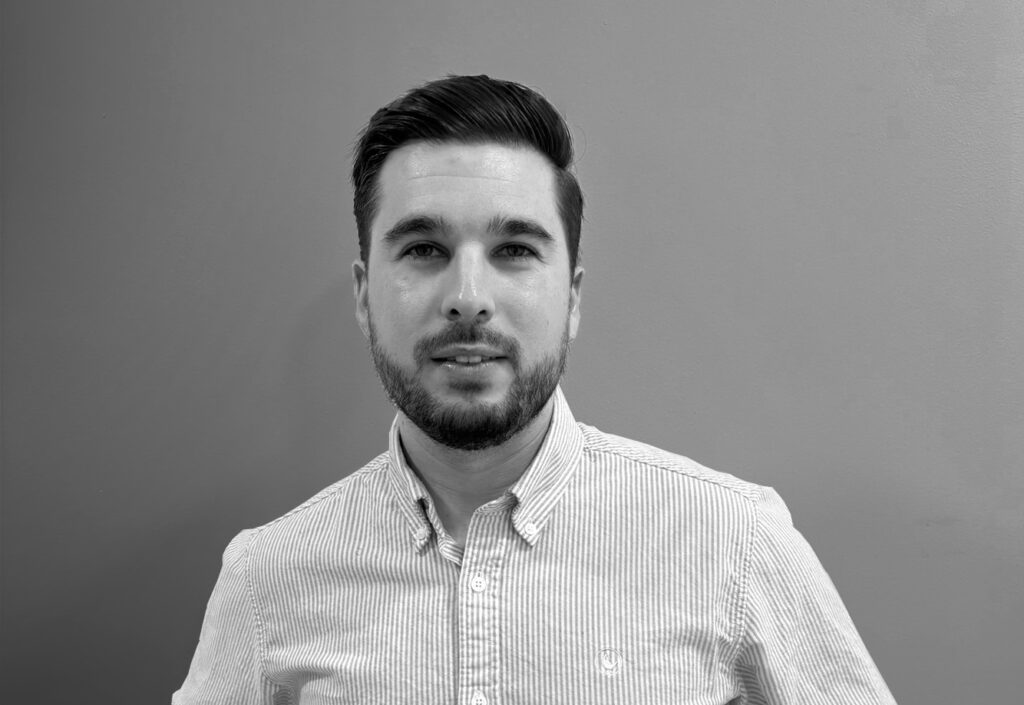
Interview Ander Irazu Key Account Manager for the North American market Interview Ander Irazu Key Account Manager for the North American market “Our greatest competitive edge is that we deliver custom design and a full-service package as a single regional supplier in Mexico” • Ander Irazu, Key Account Manager for the North American market, highlights Walter Pack’s ability to deliver end-to-end solutions that stand up to competition from Chinese manufacturers. • Walter Pack explores new partnerships at the first Electronics Home trade show in Mexico, an event dominated by the strong presence of Asian manufacturers. Consumer electronics and automotive trade shows are ideal stages for manufacturers and suppliers to showcase their latest ideas and technologies, spot trends, get inspired, and tap into networking and business opportunities. The inaugural Electronics Home in Mexico ticked some of these boxes but once again made clear the strength and global reach of Chinese manufacturers. Ander Irazu, Key Account Manager for the North American market based at Walter Pack Querétaro, returned from the event with mixed feelings. On the one hand, he noted that about 95% of the exhibitors were Chinese, which limited the fair’s business potential, at least from an immediate perspective. On the other hand, it didn’t close all doors. Walter Pack seized the chance to explore collaborations with several European companies also attending the fair, both from its Igorre headquarters and its Mexican branch. “They manufacture coffee machines and other appliances that include decorative plastic components — parts we could help them transform at Walter Pack.” Ander explains. “Home products are becoming increasingly smart, and that’s where we see huge opportunities to add value through our plastronics technology and decorative solutions. We’re still relatively unknown in this sector, but step by step we’re gaining ground with key components.” One key takeaway from the show is clear: manufacturers want products that stand out aesthetically but also integrate the connectivity and AI elements that consumers now expect. “Personalization in design is increasingly valued, and in this regard, we offer a broad portfolio with multiple options that can be tailored to every need. We’re not just producers of decorative parts — we’re also integrating innovative technologies like In-Mold Electronics, which allows us to add functionality to the decorative surface. This positions us as a unique regional partner, able to deliver end-to-end solutions from any of our plants worldwide.” Ander says. In his view, this is a “great competitive advantage” because it enables them to combine custom design with three processes — the decorative film, injection molding, and electronic elements — all under one roof as a single regional supplier. “What manufacturers really value is our ability to offer high customization, but also the convenience of having it all in one place. Many clients are still sourcing these components separately, but we can help them save significantly on cost, resources, and logistics. Plus, being based in Mexico for the NAFTA market is key for them. For projects that aim to reshore production to the Americas, having a local supplier that can deliver this integrated technology under one roof is a real differentiator,” he explains. Ander is well aware that Chinese manufacturers work with very competitive production times and deliver ambitious lead times for prototypes that European suppliers — or even those based in Mexico — often struggle to match. Still, the uncertainty of tariffs and rising logistics costs are “an opportunity” for companies like Walter Pack to strengthen their regional presence. Beyond that, Ander says the trade show revealed some clear trends, both in terms of functionality and design. “New appliances are swapping out mechanical parts for smart components that connect within the home,” he adds. “It’s amazing to see more and more robots, smart vacuums, and connected kitchen appliances powered by AI. I think this is the most striking and disruptive trend we’ve been seeing in recent months.” He concludes: “I see the home appliances of the future as more efficient and sustainable devices, made from lighter, eco-friendly materials. They’ll have a neutral look and functional design, yet with a more elegant, minimalist style.”
More companies should be encouraged to support volunteer work
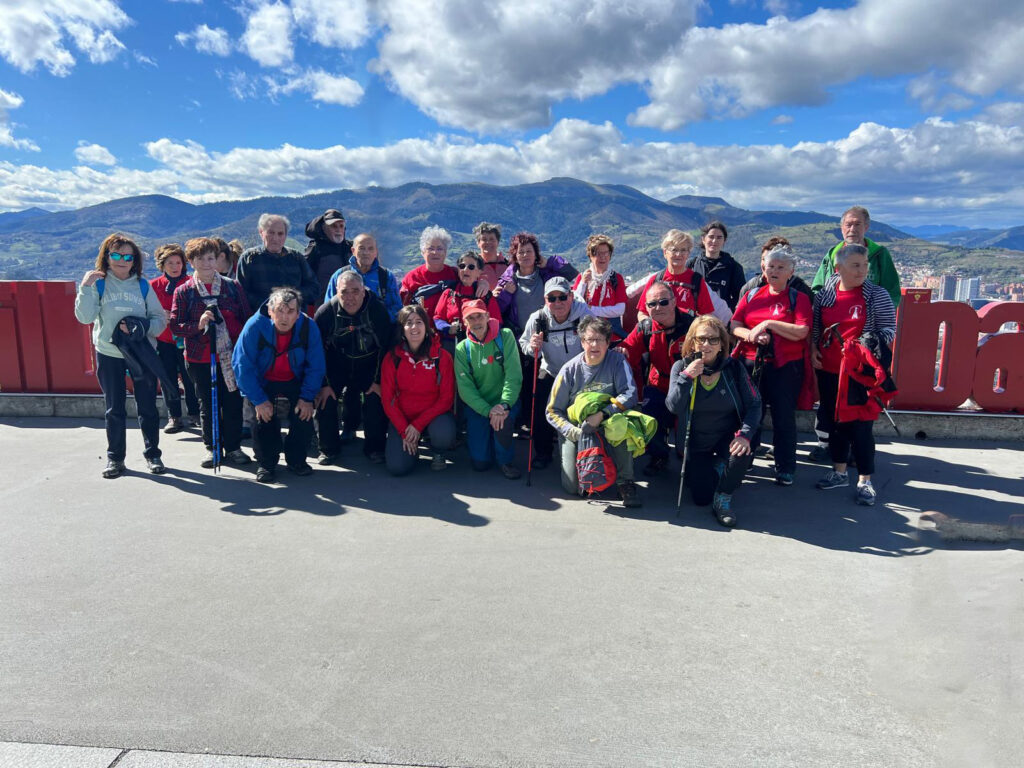
La apuesta de Walter Pack por la igualdad y su pertenencia a NER Group ha animado a dos de sus líderes, Sonia López e Itxasne Cruz, a participar en una iniciativa con un objetivo estratégico: combatir las posibles brechas de género y fomentar las competencias STEAM entre el alumnado joven.
When Design Inspires Emotion: Walter Pack’s Vision for the Future
When Design Inspires Emotion: Walter Pack’s Vision for the Future Imagine a world where the surfaces of a car are not just functional but tell stories through their textures, reflections, and finishes. At a time when aesthetics and sustainability are more vital than ever, Walter Pack unveils its design vision for 2025. “We are at a turning point where materials are no longer just decorative—they create experiences,” explains Sonia López, leader of the Color & Trim department. “We aim for every design to connect emotionally with its user, taking functional design to its highest potential.” A Future Tailored to Design A recent market study revealed that 82% of consumers prefer products that combine attractive design with sustainability. Walter Pack addresses this need with a comprehensive approach that reflects five major trends: Luxury Finish Inspired by materials like marble and polished metals, this trend elevates luxury to a new level. These finishes go beyond decoration, transforming everyday objects into extraordinary experiences As Sonia López states, “Luxury is no longer an accessory; it’s an immersive experience that engages the senses.” Soft Perception Calm and well-being take center stage in this concept, featuring soft textures, neutral colors, and organic shapes to create inviting spaces. “We aim to create environments that evoke serenity, offering a sanctuary amidst the fast pace of modern life,” adds López. Translucent Games Using materials like frosted glass and translucent fabrics, this trend plays with light and transparency to redefine spaces. The effects of depth and movement provide a sense of lightness and modernity, ideal for those seeking dynamic design. Dark Metallic Combining the strength of dark tones with the shine of reflective metals, this bold approach blends industrial with sophisticated aesthetics. Perfect for interiors aiming to convey character and elegance, it is especially impactful in the automotive sector. Urban Depth Inspired by the rhythm of urban life, this trend merges industrial elements with contemporary art. It’s a tribute to the richness and complexity of city living, designed to resonate with an audience seeking authenticity and modernity. Beyond Design: Sustainability and Innovation A cornerstone for Walter Pack is sustainability. From incorporating recycled materials to eco-design principles, the 2025 collection is committed to minimizing environmental impact. Additionally, Walter Pack has invested in advanced technologies such as In-Mould Foil (IMF), enabling surfaces to be customized with high-precision graphic finishes. This technology not only ensures durability but also unlocks new possibilities for personalized interiors, both in the automotive and home appliance industries. Design as an Emotional Experience As Sonia López puts it, “Design is no longer just visual; it’s emotional. We want everyone interacting with our surfaces to feel something unique—calm, exclusivity, innovation.” These trends don’t just predict the future of design; they shape it. Through every texture, finish, and detail, Walter Pack is redefining how people experience beauty and functionality.
Home Appliance giant Haier recognizes Walter Pack for Its People-Centric Management Approach
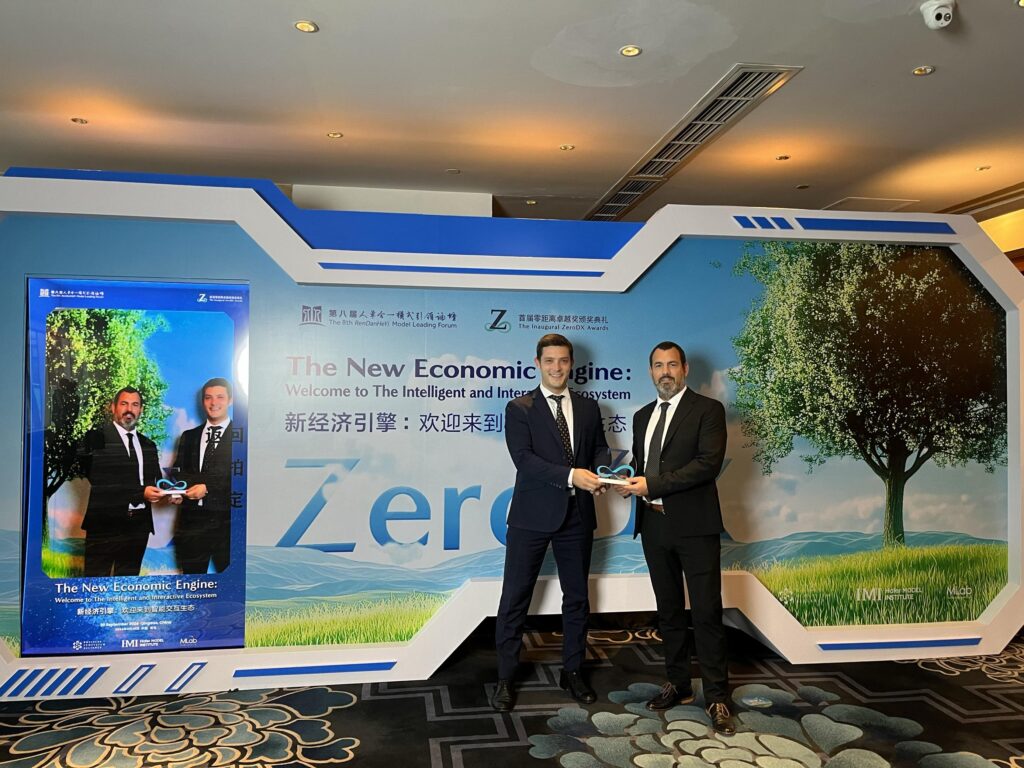
Haier, the global leader in home appliance manufacturing, has awarded Walter Pack in recognition of its outstanding organizational ecosystem, driven by a management model that places people, clients, and products at its core. The award, which will be presented to Key Account Manager for Home Appliances, Miguel B. Jiménez Eguizábal, during a ceremony today in Qingdao, China, marks an international endorsement of Walter Pack’s commitment to self-management, innovation, and collaboration. These principles form the foundation of the company’s quest for excellence in all its operations. A Distinct Organizational System The significance of this award is heightened by the fact that it comes from the world’s largest home appliance manufacturer, a sector where Walter Pack has cemented its position as a key partner to leading global companies in recent years. The Basque company earned this distinction thanks to its organizational structure, where team members take ownership of their responsibilities and contribute to a culture of trust and continuous improvement. This model, built on practices that promote flexibility, efficiency, and the empowerment of individuals, has enabled Walter Pack to become a benchmark in the design and production of high-value-added plastic components for home appliance manufacturers. The RenDanHeYi Model The inspiration behind these awards is the RenDanHeYi model, a management and organizational system created by Haier’s CEO, Zhang Ruimin, in 2005. This model moves away from traditional hierarchical structures, favoring self-directed teams with a clear focus: to respond swiftly to customer needs, a core value shared by organizations within the NER Group. The award is part of the ZeroDX Awards, an initiative launched by Haier, MLab, and Thinkers50’s Business Ecosystem Alliance, which celebrates organizations at the forefront of self-management and organizational transformation. Miguel Bernar, CEO of Walter Pack, highlighted that the award “reflects the collective effort of our entire team and our determination to be part of the change in how organizations operate.” He added, “It also reinforces the work Walter Pack has done in the Home Appliance sector, where we’ve applied decades of expertise gained in the demanding automotive industry.”
Four Perspectives to Celebrate and Advocate for Women in Engineering Day
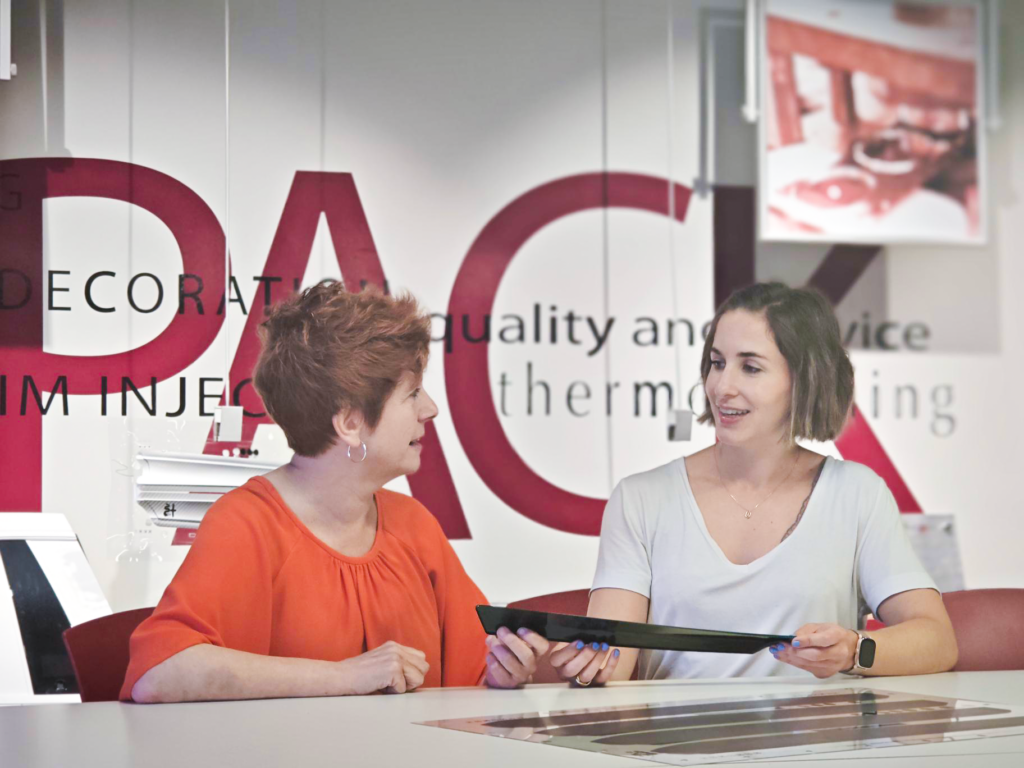
Four Perspectives to Celebrate and Advocate for Women in Engineering Day Four Perspectives to Celebrate and Advocate for Women in Engineering Day Their sense of order, logic, method, and organization… Within a few minutes of chatting, the typical topics of Engineering emerge, and Belén Bogarín, Martha Melo, Amaia Torrontegi, and Laura Del Hoyo take them with the intelligent humor of those who recognize themselves in them. All four are women engineers, and although with nuances, they have always had a clear vocation since they were very young. Each has experienced a different professional trajectory, but all four are proud of their education and work, and they are eagerly looking forward to celebrating International Women in Engineering Day on June 23. Amaia, Belén, Martha, and Laura have responded with laughter and humor, but also with a critical spirit, to several questions that show their vocation and the clarity with which they advocate for the presence of women in the world of Engineering. Q. How and when did you realize that becoming an engineer was a realistic and attractive option for you? A. Belén Bogarín (Barcelona). ): I always wanted to be a doctor since I was very little, but when I entered high school and started going to the lab, everything seemed super interesting: converting things, doing experiments… I was fascinated by the reactions and wondered why these things happened; I wanted to understand why they occurred. At that moment, my curiosity began to grow, and by the time I went to university, I had decided I wanted to be an engineer, specifically in Petroleum Engineering, a very specific specialty in Venezuela. “Initially, I wanted to be a Petroleum Engineer, but then I shifted to Chemical Engineering.” The petroleum world was booming at that time; there were a lot of oil companies, and this specialty was very accessible. But when I started my Petroleum Engineering degree, I quickly shifted to Chemical Engineering because I realized I could carry out any material transformation process, be it oil, food, cosmetics, or anything else. Additionally, my father was an agronomist, and although I am not conscious of his influence, it was something always present in my home. A. Laura del Hoyo (Igorre). I always had a strong study capacity in school, and Engineering was one of the most demanding degrees. So, on one hand, I saw that I had the ability to do it, and on the other, I chose Chemical Engineering because I love chemistry and pure Science degrees had very few job opportunities at that time. It was a very rational decision. “I am very structured, analytical, and do things step by step; all of this shows what engineers are like.” Over time, I realized that I am very methodical, structured, and analytical, doing things step by step, which ultimately shows what engineers are like or how I was then. There were no family precedents in engineering, and my parents always encouraged me to pursue a university degree, with Engineering being a better option. Since my teenage years, I always saw myself in the industry, in chemical process design, and I was very interested in oil refineries. A. Martha Melo (Barcelona). Since I was little, I spent my time doing small jobs around the house, organizing things… when an appliance broke, I would immediately disassemble and try to fix it: the radio, the fan… And when it came time to go to university, although I wanted to study Engineering, in Colombia, they were all private. “I did a year of Dietetics and Nutrition because Engineering was private and I didn’t want to burden my aunt with whom I lived.”” And since I was raised by my aunt and not my mother, going to university was a significant financial burden that I didn’t want her to bear, so I started studying Nutrition and Dietetics. I did a year of Nutrition and Dietetics, but then public faculties for Industrial, Agronomic, and Mechanical Engineering opened. I saw the opportunity and switched to Industrial Engineering. A. Amaia Torrontegi. My perception was very similar to Laura’s regarding study capacity. Besides, I studied in a mixed school with 80% boys, and the go-to career path for good students was Engineering; it was very well regarded. When I studied Engineering at San Mamés (EHU-UPV Bilbao), it was a six-year degree and very tough, much harder than current degrees. It required perseverance and responsibility. “Engineering was a challenge because all the good students went for it. Why not? I’ll give it a try. And here I am.” My choice was partly because I was a good student and partly a challenge: if boys were going into this technical field and I liked math and sciences, why not? I’ll give it a try. And here I am. When I started, most of the students were boys, about 90%, and some professors would make jokes at the expense of the girls, like calling us to the blackboard if we wore miniskirts. There were moments when they made you feel like you were just filler. Initially, I leaned towards electrical engineering, but I soon realized I wasn’t as technically inclined as others, so I opted for Industrial Organization. When I retire, I might revisit electrical engineering. Q. Can you share a memory or anecdote that illustrates your passion for Engineering? A. Belén Bogarín (Barcelona). I have always been very meticulous with expenses, keeping a strict Excel sheet, especially at the beginning of my relationship. My husband was amazed and would ask, “Do we have to go to this extent?” And I’d say, “Yes, we need to account for everything.” At home, I manage the finances because I’m very organized; otherwise, we wouldn’t know what’s going on and might miss important things. (Laughter). For example, last year, when enrolling the kids in a summer camp, other parents didn’t know the pick-up times, costs, or meal arrangements… I said, “Give me five minutes. Here are the schedules, pick-up times, meals… everything.” They were amazed.
Interview with Belén Bogarín & Marc Zorrilla
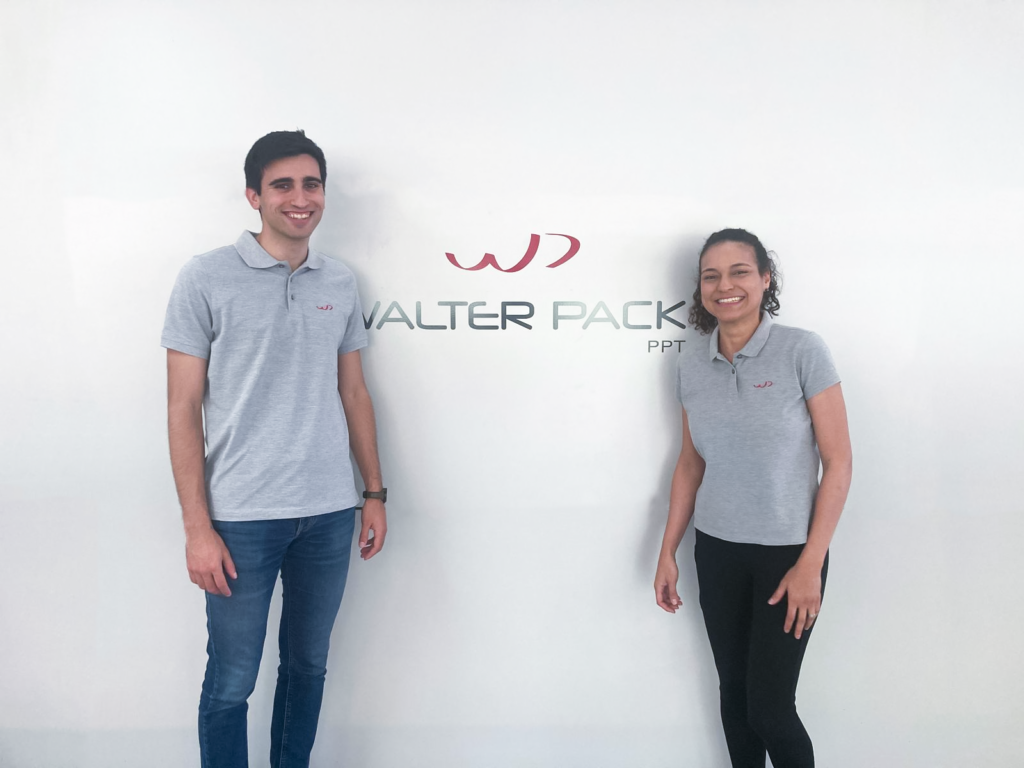
“Por mucho que se inculquen valores de igualdad en la escuela, si en casa no se apoyan es posible que el alumnado los abandone”
Entrevista a Begisare NER
Interview with Marisol Gago Logistics Leader & María Torre Sales Engineer “It’s shocking to hear how each activity that a person has to stop doing due to retinal dystrophy represents a grieving process for them” Losing the sense of sight after having enjoyed it for years is a very tough experience that most of society is hardly aware of. Around us, there are dozens of people with hereditary retinal dystrophies who have to make real efforts to go out every day and continue their lives almost in the shadows. To support these people, a group of volunteers from Walter Pack participates in an initiative of Ner Group aimed at promoting personal autonomy and encouraging others to leave their homes with volunteers who contribute to their safety. Two of them, Marisol Gago and María Torre, share their experience along with Irene Dalmau, leader of the Society Commitment area at Walter Pack. Q. A. Were you aware of hereditary retinal dystrophies? Had you had any previous contact with these diseases? Marisol Gago. I was aware of degenerative glaucoma because of my father, who has had vision problems in recent years. That’s why I was drawn to this initiative due to the problems it caused him due to the dependence he had on my mother… I thought this experience could serve to accompany both the person suffering from the disease and those who have to give up many things to help them. That made me interested in the project. María Torre. I had also heard of this disease through someone I knew who had early-stage glaucoma and other types of degenerative diseases from birth, but no case as close as Marisol’s. “I thought this experience could serve to accompany both the person suffering from the disease and those who have to give up many things to help them” Marisol Gago Q. A. In total, there are five women from Walter Pack participating in this initiative along with Irene Dalmau, Amaia Torrontegi, and Inés González. What motivated you to get involved? Marisol G.I’ve always been willing to participate in these types of initiatives. When various proposals were presented at Walter Pack, I was eager to join one, and this seemed like the one I could contribute to the most. María T. I also felt that this was the experience in which I could give the most and which could contribute the most to me. Last year we participated in other experiences, but this one seemed very appealing. Q. A. Q. A. What exactly does it involve? Marisol G.This initiative has two groups, one that goes on Wednesdays and another on Fridays. I have been participating in the latter since January, and it consists of accompanying a person with limited vision to a center so they can participate in various activities. I meet with her at her house, and we go together to the center, and when it ends, if she hasn’t organized with other people from the center to return, I accompany her back home. María T. In our group, there are two volunteer people from different companies of the Ner Group who accompany the patients on Wednesday afternoons since last December 20. One or two days before, we organize to decide who accompanies each person to the center they attend to receive dance classes. And at the end of the classes, sometimes a relative picks them up, and other times we accompany them to their home or to a subway stop. Over this time, have you established connections with these people, do they share their feelings with you? Marisol G. This initiative is long-term, and I still have little time, but the person I accompany is charming, super open, and very pleasant, and she tells me about all the difficulties she has suffered since she was little. María T. So far, I have only accompanied two people on four occasions, and both are charming and very special. They explain to you what their disease is, how it affects their life, how their family relationships develop… it’s a very interesting experience. There are many variables of these diseases: there are times when several people who only have 30% vision have it distributed differently, so one can see the ground, another in front, etc. They are people who are very spirited, who have gained a lot of confidence in themselves because they have been living with the disease for years, and who help you a lot. “They explain to you what their disease is, how it affects their life, how their family relationships develop… it’s a very interesting experience” María Torre Q. A. What has struck you the most about this experience? Marisol G. What struck me the most is that there are people who do not see but have no physical trait that reveals it. We tend to think that blind people have a certain eye tone or dark glasses… but not here. The day we arrived; we were chatting with a person from Begisare without realizing that she was a person with very low vision. This also complicates their day-to-day life and having knowledge of that struck me. María T. Yes, that absence of physical traits that are stereotypes have even led them to hear comments on occasion that cast doubt on their vision problems, even despite seeing them with a cane. This does not happen when people see that, in addition to carrying a cane, they are accompanied: that’s when they react, step aside, and try not to obstruct. Irene Dalmau. Personally, what struck me the most was when the person Marisol mentioned explained to us that each activity she had to stop doing represented a grieving process for her. Stopping working, driving… those words suddenly brought me closer to her reality. And the person I accompanied once told me that for her, going out of the house was a triumph, and she did it because she had to continue with her life. Hearing them speak in these terms is shocking.