
Global Trends 2024: From Talent to Sustainability, Key Challenges According to McKinsey

The report “2024: The Year in Charts”, recently published by McKinsey & Company, focuses on the most pressing challenges that will define the economic and social landscape in 2024. From the talent crisis to climate challenges, the document presents data and analysis aimed at guiding public and private leaders in decision-making. The Workforce in Check The decline in global labor force participation raises the urgent need to reinvent labor markets. In key sectors such as healthcare, where staff shortages are reaching critical levels, investment in training and reskilling is presented as an unavoidable solution. “Talent development is essential to face global challenges. At Walter Pack, we work to empower our people and foster sustainable innovation,” points out Agustín Estalayo, Plant Manager at Walter Pack Mexico. The Road to Sustainability The path to net-zero emissions continues to encounter significant obstacles. Despite promises and commitments, many companies are lagging in their climate goals. However, the report highlights a positive trend: the growing demand for recycled plastics, which is driving the transition toward a circular economy. Social Equity: A Stalled Progress In the realm of equity, McKinsey warns that efforts to diversify workforces and improve economic mobility have lost traction. The report emphasizes the importance of reactivating these initiatives to close racial and social gaps. Opportunity Behind the Challenges McKinsey concludes that while the challenges are significant, they also represent opportunities for innovation and collaboration. The solutions adopted today can not only mitigate current impacts but also build more resilient and sustainable economies for the future. About McKinsey & Company McKinsey & Company is a global management consulting firm that collaborates with public, private, and social organizations to solve their most complex challenges and achieve sustainable growth. Founded in 1926, McKinsey operates in more than 60 countries, bringing expertise across diverse industries and disciplines. Discover the full report here
CORDIS highlights the TREASURE project and Walter Pack’s collaboration

The European TREASURE project, aimed at promoting circularity in automotive electronics, has been featured on CORDIS, the European Union’s official platform for sharing research and innovation project results. The article, titled “Applying circularity to car electronics”, emphasizes the efforts of the 15 international partners involved in this initiative, including Walter Pack, a leader in the design and production of functional decorative components. A project driving sustainability Launched in June 2021 under the Horizon 2020 program, TREASURE addresses a pressing challenge in automotive electronics: the environmental impact of traditional printed circuit boards (PCBs). These critical components, essential for electronic functions in vehicles, are notoriously difficult to recycle due to their complex mix of plastics, metals, and semiconductors. TREASURE explores sustainable alternatives such as hybrid and printed electronics technologies (HPE), paving the way for a circular production model. To enable this transition, TREASURE has developed a holistic methodology that evaluates environmental, economic, social, and circularity aspects. This innovative tool provides key indicators to support designers, recyclers, and manufacturers in making more sustainable decisions. Walter Pack’s role in TREASURE As part of this groundbreaking project, Walter Pack is leading the development of a demonstrator to compare cutting-edge technologies, such as the integration of electronic functions into decorative surfaces (IMSE), with traditional PCB manufacturing methods. This demonstrator not only evaluates the environmental impact of these solutions but also explores how to improve functionality while maintaining the company’s renowned design standards. “Our goal is to combine design and sustainability to deliver solutions that are both functional and environmentally friendly. Being part of TREASURE reinforces our commitment to innovation and a more sustainable future,” explains Laura del Hoyo, R&D leader at Walter Pack. What is CORDIS? CORDIS (Community Research and Development Information Service) is the official platform of the European Union for publishing and disseminating results from research and innovation projects. Its goal is to connect researchers, businesses, and the public with advancements in science, technology, and society. The inclusion of TREASURE on this platform highlights the project’s importance and potential impact across the industry. A shared commitment to circularity Beyond technological development, TREASURE offers tools to simulate the lifecycle of electronic products, optimize recyclability, and guide end-users in reusing components. These resources aim to foster a responsible approach across the value chain, encouraging sustainability at every stage. International recognition The recognition of TREASURE on CORDIS underscores its role as a benchmark for sustainable innovation in Europe. For Walter Pack, this milestone reaffirms the company’s position as a key player in driving a more circular and sustainable automotive industry. Read the full article on CORDIS
When Design Inspires Emotion: Walter Pack’s Vision for the Future
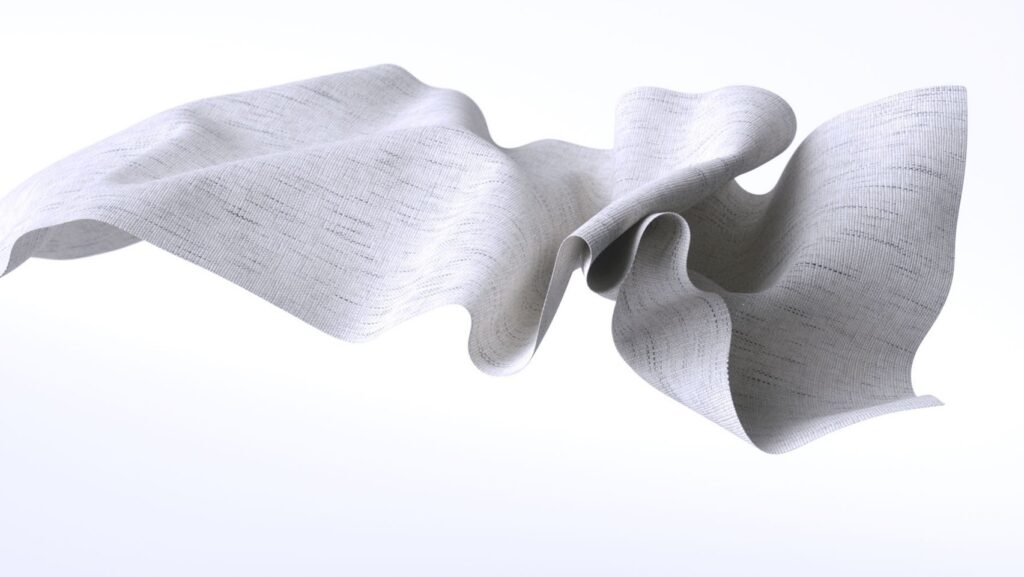
When Design Inspires Emotion: Walter Pack’s Vision for the Future Imagine a world where the surfaces of a car are not just functional but tell stories through their textures, reflections, and finishes. At a time when aesthetics and sustainability are more vital than ever, Walter Pack unveils its design vision for 2025. “We are at a turning point where materials are no longer just decorative—they create experiences,” explains Sonia López, leader of the Color & Trim department. “We aim for every design to connect emotionally with its user, taking functional design to its highest potential.” A Future Tailored to Design A recent market study revealed that 82% of consumers prefer products that combine attractive design with sustainability. Walter Pack addresses this need with a comprehensive approach that reflects five major trends: Luxury Finish Inspired by materials like marble and polished metals, this trend elevates luxury to a new level. These finishes go beyond decoration, transforming everyday objects into extraordinary experiences As Sonia López states, “Luxury is no longer an accessory; it’s an immersive experience that engages the senses.” Soft Perception Calm and well-being take center stage in this concept, featuring soft textures, neutral colors, and organic shapes to create inviting spaces. “We aim to create environments that evoke serenity, offering a sanctuary amidst the fast pace of modern life,” adds López. Translucent Games Using materials like frosted glass and translucent fabrics, this trend plays with light and transparency to redefine spaces. The effects of depth and movement provide a sense of lightness and modernity, ideal for those seeking dynamic design. Dark Metallic Combining the strength of dark tones with the shine of reflective metals, this bold approach blends industrial with sophisticated aesthetics. Perfect for interiors aiming to convey character and elegance, it is especially impactful in the automotive sector. Urban Depth Inspired by the rhythm of urban life, this trend merges industrial elements with contemporary art. It’s a tribute to the richness and complexity of city living, designed to resonate with an audience seeking authenticity and modernity. Beyond Design: Sustainability and Innovation A cornerstone for Walter Pack is sustainability. From incorporating recycled materials to eco-design principles, the 2025 collection is committed to minimizing environmental impact. Additionally, Walter Pack has invested in advanced technologies such as In-Mould Foil (IMF), enabling surfaces to be customized with high-precision graphic finishes. This technology not only ensures durability but also unlocks new possibilities for personalized interiors, both in the automotive and home appliance industries. Design as an Emotional Experience As Sonia López puts it, “Design is no longer just visual; it’s emotional. We want everyone interacting with our surfaces to feel something unique—calm, exclusivity, innovation.” These trends don’t just predict the future of design; they shape it. Through every texture, finish, and detail, Walter Pack is redefining how people experience beauty and functionality.
What is rolled steel and what is it used for?
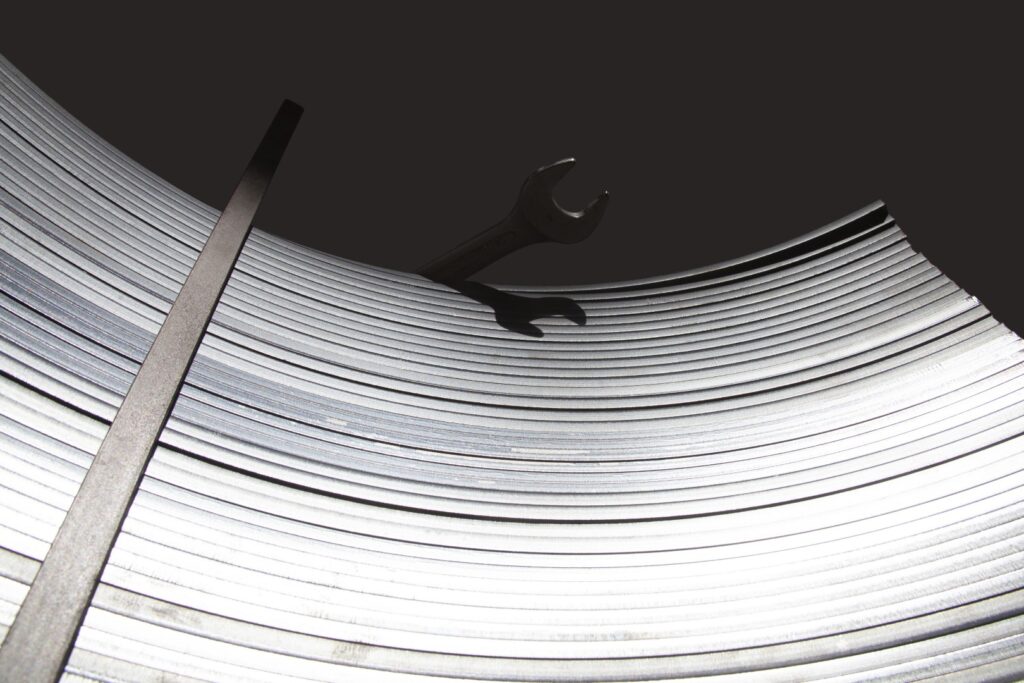
Rolled steel is an invisible force that supports much of our infrastructure. From the robust beams forming the backbone of buildings to the thin sheets used in appliances, this material is essential for countless applications. But what makes it so special? In this post, we share everything you need to know about its manufacturing process and its multiple uses. Keep reading! Definition of Rolled Steel Rolled steel is a type of steel processed through rollers to change its shape and physical properties. This process is called rolling and is performed at different temperatures. During rolling, the steel undergoes plastic deformation, affecting its internal structure and distributing stresses more evenly. Types of Rolled Steel This type of metal is primarily classified into two categories based on the rolling method: hot-rolled and cold-rolled. Hot-Rolled Steel Hot rolling is a process where steel is heated above its recrystallization temperature, around 1,200 ºC (2,190 °F). This heating makes the material more ductile and malleable. It is characterized by its high strength and ductility, although the surface finish tends to be rougher and less precise compared to cold rolling. It is perfect for structural and construction applications, such as beams, rails, and pipes, where dimensional precision is less critical but durability is essential. Cold-Rolled Steel Cold rolling is performed at room temperature after the steel has been hot-rolled and cooled. This method provides greater dimensional precision and a more uniform surface finish. It boasts excellent surface quality, making it suitable for applications requiring an aesthetic finish, such as automotive components, appliances, and steel furniture. Additionally, cold rolling enhances the mechanical properties of the metal. However, this process is more expensive than hot rolling due to the energy requirements and additional operations needed. The Steel Rolling Process The steel rolling process aims to modify its properties and prepare it for industrial applications. Here are the stages of the process: Material Preparation: Steel is prepared in the form of ingots or slabs, which are loaded into furnaces for heating. Heating: For hot rolling, the metal is heated in furnaces until it exceeds its recrystallization temperature (around 1,200 °C). For cold rolling, this step is omitted, as the process is performed at room temperature. Rolling: The hot or cold steel is passed through a series of rollers that apply pressure to reduce its thickness and adjust its shape. In hot rolling, the rollers compress the heated steel, while in cold rolling, the rollers refine its dimensional accuracy. Cooling: Next, the steel is rapidly cooled with water or air to set its properties. This controlled cooling prevents internal stress formation. Annealing (Optional): In some cases, particularly for cold rolling, the metal may undergo an annealing process. This heat treatment relieves internal stresses accumulated during rolling and improves ductility. Finishing: Rolled steel can also undergo additional treatments to improve surface quality and corrosion resistance, such as pickling and galvanizing. Cutting and Sizing: Finally, the steel is cut and sized according to specifications using shears, saws, or plasma cutters. Applications of Rolled Steel Rolled steels have a wide range of applications: Construction: Used in manufacturing beams, columns, and support structures due to their strength. Automotive: Utilized in the production of body panels, chassis, and structural components due to their impact absorption capacity. Appliances: Stainless steel sheets are used in producing appliances like refrigerators, stoves, and washing machines. Shipbuilding: Used in the construction of ships and platforms due to their resistance to marine environments. Pipes and Tubes: Used in manufacturing high-strength pipes for the oil and gas industry. Advantages and Disadvantages of Rolled Steel Rolled steel is widely used in various sectors due to its physical and mechanical properties. However, like any material, it has both advantages and disadvantages to consider: Advantages Disadvantages Adaptable to numerous applications due to various types and manufacturing processes In hot rolling, rapid cooling sometimes causes distortions and dimensional changes Offers high strength and durability, making it perfect for support uses Cold rolling is more expensive and time-consuming Hot rolling is more economical and allows large-scale production Cold rolling is limited to certain material sizes and thicknesses Cold rolling provides a smoother finish As you’ve seen, this material’s versatility, strength, and applications make it a basic component for many industries. If you want to discover more fascinating materials or learn about industrial processes, visit the Walterpack blog. Your industrial and decorative plastics company! Frequently Asked Questions About Rolled Steel Finally, we want to address some of the most common questions to help you better understand this metal’s characteristics and uses. What is the difference between hot-rolled and cold-rolled steel? The main difference between hot-rolled and cold-rolled steel lies in the temperature at which the rolling process is performed. Hot rolling is done at high temperatures, above the recrystallization temperature of the steel, while cold rolling is carried out at room temperature. What is rolled steel used for? Rolled steel is used in a wide variety of sectors due to its mechanical properties and versatility. In construction, it is used for beams and structures. In the automotive industry, it is used for body and chassis components. And in the appliance sector, stainless steel sheets are found in numerous household devices.
How does resistance welding work?
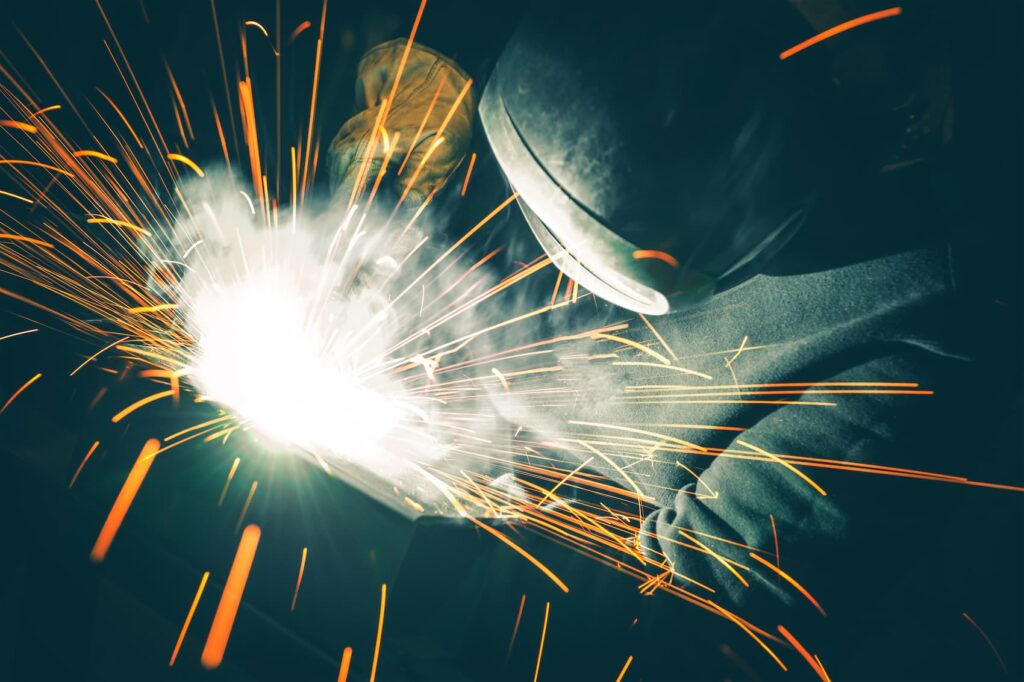
In modern industry, the ability to join metals quickly and durably is essential. Resistance welding is a technique that perfectly meets this need, providing an effective method for joining metal parts. If you want to better understand this technology, keep reading. At Walterpack, we are experts in manufacturing processes and have prepared a comprehensive guide on this type of welding. What is Resistance Welding? Resistance welding is a metal joining process that uses heat generated by electrical resistance to current flow and mechanical pressure. This method is widely used across industries due to its efficiency and ability to produce strong bonds. Unlike other techniques that require filler material, this process relies on the inherent resistance of the materials being joined to generate the necessary heat for fusion. How Resistance Welding Works: Basic Principles This technique is based on the generation of heat through electrical resistance, and its basic principles are: Heat Generation Through Electrical Resistance When electric current is applied across two metal pieces, the resistance of these materials to the current flow generates heat at the contact point. This heat is sufficient to melt the metals in the joint area, allowing them to fuse as they cool. The amount of heat generated depends on the applied current, the material resistance, and the application time. The Role of Pressure in the Welding Process Pressure ensures good contact between the metal surfaces, improves electrical conductivity at the joint area, and helps expel impurities and oxides present. This combination of heat and pressure results in a reliable joint. Pressure is maintained during the cooling cycle to ensure the parts remain properly aligned. Steps in the Resistance Welding Process The resistance welding process consists of several steps that must be followed to achieve proper bonding. Below are the steps in detail: Preparation and Positioning of Parts The first step is to prepare the parts to be welded. This includes cleaning the surfaces to remove any contaminants that may affect quality. Once cleaned, the parts are positioned in the welding equipment so that the areas to be joined are in close contact. Applying Current and Pressure With the parts positioned, electrical current and pressure are applied through electrodes. The current flows through the parts, generating heat at the contact zone due to electrical resistance. The applied pressure ensures proper contact and aids in expelling contaminants. Cooling and Ejection of the Welded Piece After the heat melts the metal surfaces in the connection area, pressure is maintained while the current stops, allowing the molten metal to solidify. Once the joint has cooled, the welded piece is ejected from the equipment, completing the welding process. Types of Resistance Welding This technique includes several types, each suitable for different applications and materials. Spot Welding: The most common type. Here, current and pressure are applied to specific points on the parts, forming small localized bonds known as weld spots. Projection Welding: The objects to be joined have small projections or bumps in the contact areas. These projections concentrate current and pressure at specific points, facilitating a strong bond. Seam Welding: Similar to spot welding, but instead of individual spots, a continuous seam is formed along the joint line. Butt Welding: Involves joining two pieces placed end-to-end, with current and pressure applied across the entire contact surface. Flash Welding: High-intensity, low-voltage currents are applied to metal fragments in contact. The resistance at the interface generates intense heat, fusing the surfaces and creating a strong bond. Insulated Wire Welding: Used to join insulated electrical conductors such as cables and wires. In this process, insulation is removed in the joint areas, and current and pressure are applied to weld the metallic conductors. Advantages and Disadvantages of Resistance Welding This method enables the mass production of metallic components quickly and effectively. It also produces strong and durable bonds thanks to the combination of heat and pressure that ensures proper material fusion. Additionally, spot resistance welding can be easily automated, reducing labor costs. However, like any technique, it has some disadvantages. One major limitation is that not all materials are suitable for this type of assembly, as it depends on the electrical and thermal properties of the metals. Moreover, it requires a significant initial investment in machinery and maintenance. Resistance welding, as you now know, is a versatile technique, ideal for industrial applications requiring the mass production of durable metallic bonds. While it has certain limitations, its automation capability and overall efficiency make it a great option for many sectors. For more information on industrial technologies and innovative processes, visit the Walterpack blog. Best regards! Frequently Asked Questions About Resistance Welding Below, we answer some of the most common questions to provide additional information. What Materials Can Be Welded Using Resistance Welding? A wide range of metallic materials can be welded, such as steels, aluminum alloys, copper, and brass. However, the process’s effectiveness varies depending on the electrical and thermal properties of the elements. Generally, metals with good electrical and thermal conductivity are the most suitable. What Are the Main Advantages of Spot Welding? The main advantages of spot welding are: the ability to perform quick bonds without the need for filler material, the automation of the process, and its high precision. How Is Resistance Welding Equipment Maintained? Maintaining a resistance welding machine is necessary to ensure its optimal performance. This includes regular cleaning of the electrodes, inspection and adjustment of pressure and current systems, and checking the cooling system. Additionally, periodic calibrations are essential to ensure the equipment operates within specified parameters. What Common Issues Can Arise During the Process, and How Are They Solved? Some common issues during the process include spatter formation, lack of fusion, and misalignment of parts. These problems can be addressed by adjusting current and pressure parameters and cleaning the surfaces.
What can you do with a thermoformer?
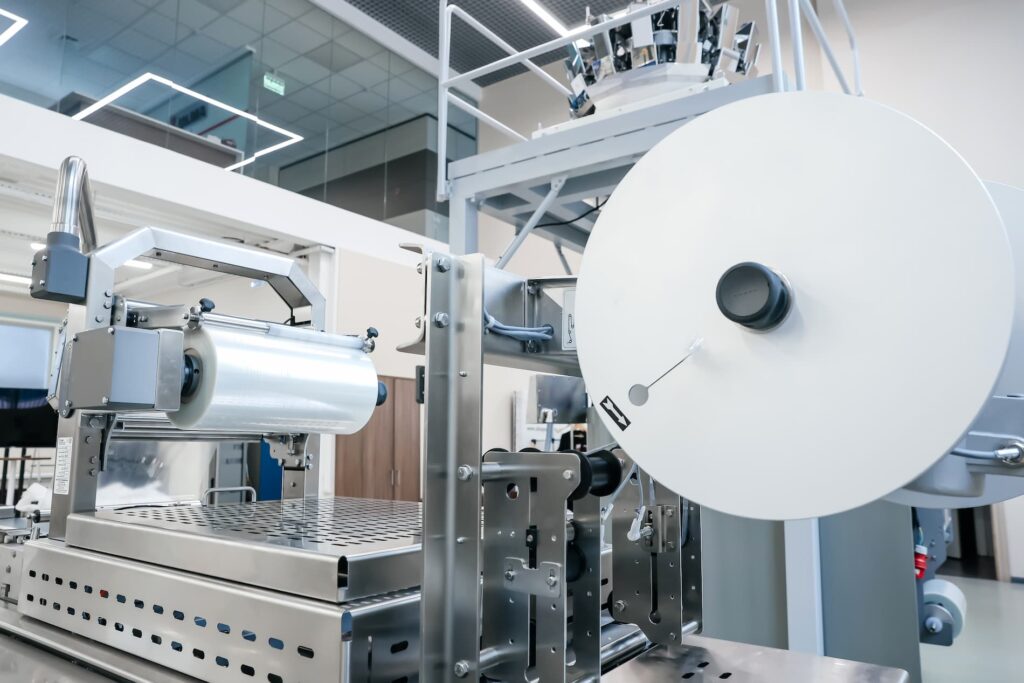
Imagine holding the power to transform a simple plastic sheet into a unique piece, perfectly molded to your needs. This is the magic behind plastic thermoforming, a technology that has revolutionized manufacturing, from packaging to components in the industrial world. Are you interested in diving deeper into this process? At Walterpack, a leading industrial plastic manufacturing company, we invite you to explore this article. What is a Thermoformer? A thermoformer is a machine designed to heat plastic sheets until they reach a malleable state, allowing them to be molded into specific shapes using a mold. Once the polymer takes the desired shape, it is cooled and solidified, retaining the mold’s form. Thermoforming is a simple yet efficient process widely used across industries. Thanks to the versatility of the thermoforming machine, companies produce a wide variety of objects quickly and economically. What is a Thermoformer Used For? A thermoformer is used to create molded plastic products quickly. Once heated, the synthetic material adapts to virtually any shape, enabling countless applications in industrial, medical, food, and consumer sectors. Industrial Uses of Thermoformers These machines are a common solution due to their malleability and low cost. Some notable uses include: Packaging: Food containers, electronic product packaging, and other consumer goods are often made with thermoformed plastic. Automotive: Many vehicle components, from interior panels to decorative parts, are manufactured through thermoforming, allowing for lightweight yet durable designs. Medical: Medical trays and containers for surgical equipment are also created using this method. Advantages of Using a Thermoformer This molding system offers multiple advantages that make it preferable to other manufacturing methods: Cost Efficiency: It is a relatively inexpensive process, making it accessible for both large-scale production and prototype creation. Versatility: The ability to mold plastic into a wide variety of shapes and sizes is highly sought after across different sectors. Fast Production: This technology is quick, enabling the manufacture of large volumes in a short time. Low Waste: Excess material can be recycled and reused. Plastic Thermoforming Process Plastic thermoforming is a highly effective technique. It consists of several steps to ensure the material is molded precisely: Heating: A plastic sheet is placed in the thermoformer and heated until it becomes sufficiently malleable. Molding: The heated plastic is positioned over a mold, where vacuum or pressure is applied to shape it as desired. Cooling: Once the material takes the shape of the mold, it is cooled to solidify the structure. Trimming: Excess material is trimmed, and the finished product is inspected for quality. Applications of Thermoformed Plastic Thermoformed plastic is used in a wide range of applications due to its unique characteristics. Here are its main applications: Food Industry: Used in packaging for fresh and frozen foods as well as trays. Electronics: Employed to create protective packaging for electronic components and delicate devices. Automotive: Found in interior and exterior car parts, such as door panels and covers. Healthcare: Used to produce sterile trays and disposable medical equipment, which are common in this sector. Plastic thermoforming is an essential process in modern manufacturing, transforming polymer sheets into functional products. Thermoformers enable the creation of a wide variety of items, from packaging to industrial components, with minimal waste and high adaptability. If you’re looking for advanced thermoforming solutions, Walterpack is your partner. We are experts in vacuum thermoforming for simple parts, positive pressure thermoforming for complex geometries, and vacuum-assisted thermoforming. Trust our expertise to turn your ideas into functional objects. Frequently Asked Questions (FAQ) To conclude, we answer some of the most common questions about this topic: What Materials Can Be Used in a Thermoformer? Industrial thermoformers can work with a wide variety of plastics. Here are the most popular ones: ABS (Acrylonitrile Butadiene Styrene): Known for its high resistance and durability. PVC (Polyvinyl Chloride): A versatile, flexible, and economical material. Polyethylene: A lightweight, flexible, and highly durable plastic. Polystyrene: Easy to thermoform and offers excellent detail levels. What Is the Difference Between Thermoforming and Other Plastic Forming Processes? Thermoforming differs from techniques like injection molding or extrusion primarily in how the material is worked. In thermoforming, a sheet is heated and molded over a form. Injection molding is similar but allows for more detailed parts by injecting molten plastic into a closed mold. Extrusion, on the other hand, produces continuous objects like pipes. What Are the Limitations of Thermoforming? While this technique has numerous advantages, it also has some limitations, such as: Precise Details: It struggles to achieve extremely fine or complex details in product design. Limited Materials: Not all plastics can be efficiently thermoformed. Some require very high temperatures or do not maintain the desired shape. Thickness Limitations: This method is typically used with thin plastic sheets. For thicker or heavier products, other processes like injection molding are more suitable. Is Thermoforming a Sustainable Process? Thermoforming has the potential to be a more sustainable process compared to others. One of its advantages is the ability to reuse and recycle leftover material, reducing waste. Additionally, many sheets used come from recycled materials, contributing to a more circular economy. From an energy perspective, it is efficient, consuming less energy than most procedures. However, its sustainability depends on the plastics used and the recycling practices implemented by companies.
What processes are used to manufacture PVC?
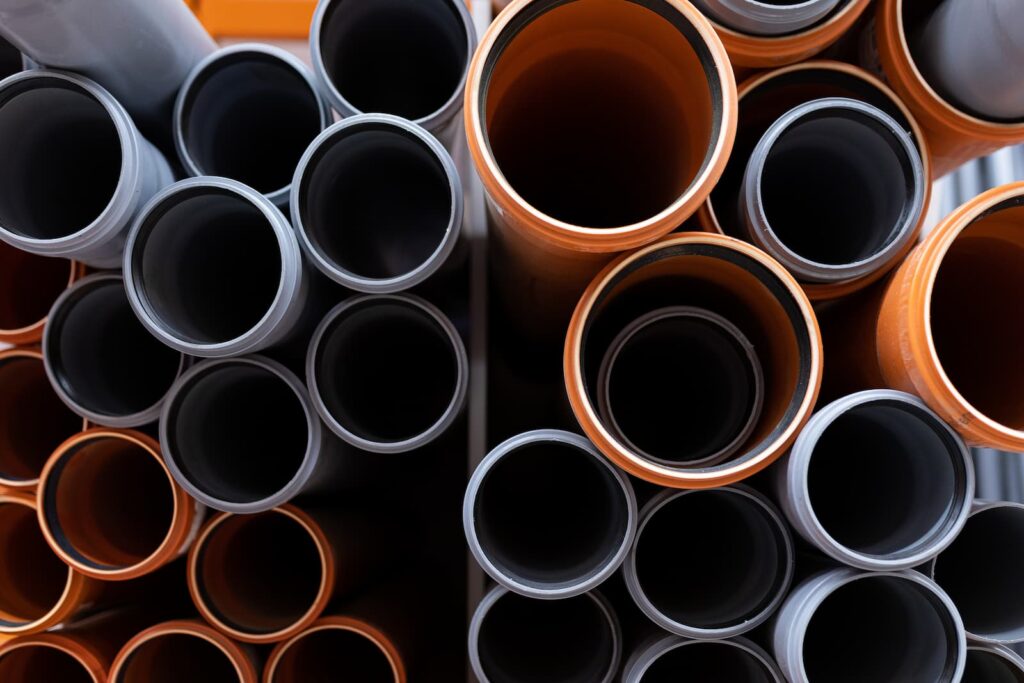
The polyvinyl chloride, known as PVC, is one of the most widely used plastics in the world. Its popularity stems from its durability, resistance, and low cost. However, few people understand how it is made. In this post, as experts in plastic injection, we explain the main processes used for PVC manufacturing, from resin creation to additional techniques. Keep reading! What is PVC and why is it so widely used? PVC is a thermoplastic material primarily derived from chlorine (57%) and ethylene (43%). It is characterized by its ease of manipulation, making it a great option for a wide variety of industries. Its most common applications include: Pipes and plumbing systems Windows and doors Floor coverings Medical materials (such as blood bags and catheters) Thermal insulation One of the aspects that makes polyvinyl chloride so widely used is its ability to be modified by adding different types of additives, such as plasticizers, stabilizers, and lubricants. This allows the final material to have various properties, ranging from rigidity to flexibility, depending on the requirements of each application. PVC Manufacturing Process The manufacturing of polyvinyl chloride involves polymerization, mixing with additives to enhance its properties, and finally, molding and extrusion of the material. Phase 1: Polymerization of Vinyl Chloride It starts with a chemical process in which the monomer molecules of vinyl chloride (C₂H₃Cl) are combined to form long polymer chains, resulting in PVC resin. There are two methods for vinyl chloride polymerization: Suspension polymerization: Vinyl chloride is suspended in water as small droplets, initiating a chemical reaction that turns these droplets into polymer. The result is a resin in powder form. Emulsion polymerization: Vinyl chloride is dispersed in an emulsion with water and other compounds like surfactants. The result is PVC with a finer and more uniform structure. Phase 2: Mixing the PVC Resin with Additives Once the resin is created, it is mixed with various additives that give it specific properties like stability, flexibility, and UV resistance. The most common additives are: Plasticizers: These are used to make the substance more flexible and malleable. Products like electrical cables and hoses require this type of additive. Thermal stabilizers: These compounds help prevent PVC degradation when exposed to heat during processing. Lubricants: These facilitate the extrusion and molding process. The amount and type of additives vary depending on the final use of the product. At this stage, it is determined whether the result will be rigid (as in pipes) or flexible (as in shower curtains). Phase 3: Extrusion and Molding The final step is transforming the resin and additive mixture into finished products through extrusion and molding processes. Extrusion: This is a continuous sequence in which the mixture is heated and forced through a nozzle or die to form products with a constant cross-section, like tubes or profiles. Molding: In this procedure, PVC is heated until malleable and then placed in a mold to create specific products, like toys, bottles, or electronic components. ➡️ Learn more in detail about what plastic molding is. Additional PVC Manufacturing Methods Other methods allow for the production of more specific products from this thermoplastic. The most commonly used are: Injection Molding In injection molding, PVC is heated until it reaches a fluid state and then injected at high pressure into a closed mold. Once inside the mold, the material cools and solidifies, taking the desired shape. It is suitable for mass production of components with strict dimensional tolerances, such as automotive parts, electronic device housings, and industrial fittings. Thermoforming Thermoforming is a process where a PVC sheet is heated until flexible and then molded over a surface by applying pressure or vacuum. Unlike injection molding, this method is generally used to manufacture larger products or less complex shapes. After cooling, the material retains the mold’s shape. It is useful in making plastic containers, trays, protective casings, and disposable items. PVC Welding Welding is a technique that allows the permanent bonding of different PVC parts by applying heat, pressure, or specific solvents. It is used in manufacturing piping systems, waterproof coverings, or inflatable products, where a leak-resistant bond or deformation resistance is required. Various welding methods exist, such as heat welding (using specialized equipment to heat and fuse parts) and chemical welding (where solvents temporarily dissolve the PVC surface for bonding). Types of PVC and Their Applications Currently, there are numerous types of polyvinyl chloride. Below are the most relevant ones and their applications: Rigid PVC (uPVC or PVC-U): This is very hard and has high mechanical resistance. It does not contain plasticizer and is used in drinking water pipes, windows, doors, construction profiles, and claddings. Flexible PVC: Contains plasticizers that make it softer and more flexible, offering good resistance to wear and chemicals. It is used in cables, hoses, flexible pipes, floor coverings, and protective sheets. Chlorinated PVC (CPVC): Obtained by chlorinating basic PVC, giving it higher heat and chemical resistance. It is used in hot water pipes, industrial piping systems, and fire suppression systems. Foamed PVC: A lightweight material with a foam structure inside, easy to work with and shape. It is applied in signage, decorative panels, exhibition materials, and model construction. Translucent PVC: Treated to be transparent, offering good moisture barrier and weather resistance. It is used in windows, transparent panels, food packaging, roofs, and skylights. PVC manufacturing is an example of how chemistry and engineering combine to create a versatile, economical, and adaptable material for various industrial sectors. Thanks to its durability, resistance, and ability to be customized, this material has found a prominent place in applications like construction, medicine, and technology. At Walterpack, we design functional plastic solutions using advanced technologies like IMD, IMF, IME, and thermoforming. If you want to learn more or have a project in mind, feel free to contact us. Frequently Asked Questions (FAQ) Finally, we answer some of the most common questions related to the production and use of polyvinyl chloride. What is the difference between PVC-U and PVC-C? The main difference between
What plastic is used for appliances?
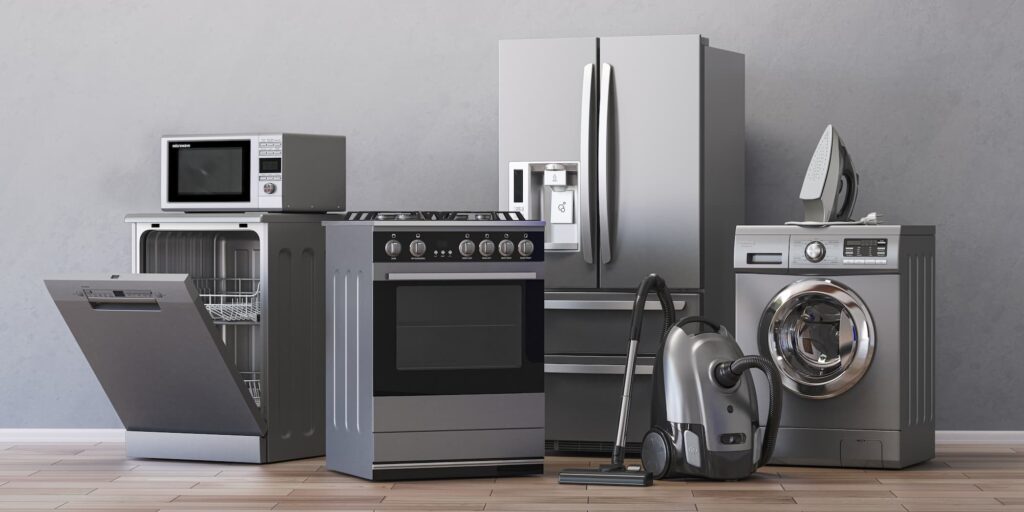
The technology behind household appliances has advanced by leaps and bounds in recent decades, largely thanks to the use of innovative materials, particularly plastics. At Walterpack, we are well-versed in working with polymers. Today, we discuss which plastics are used for household appliances, the most common types, and their key properties. Keep reading! Types of Plastics Used in Household Appliances Plastics for household appliances must **meet several criteria**, such as heat resistance, durability, flexibility, and the ability to be molded into specific shapes. Here are the most common types used in manufacturing these electronic devices: ABS (Acrylonitrile Butadiene Styrene) Acrylonitrile Butadiene Styrene (ABS) is an **amorphous thermoplastic polymer composed of three monomers**: acrylonitrile, butadiene, and styrene. This material combines the unique properties of each component to create a blend of rigidity, toughness, impact strength, and flexibility. Acrylonitrile provides thermal and chemical resistance. Butadiene, an elastomer, offers elasticity and exceptional impact absorption. Styrene adds rigidity, ease of processing, and a smooth, shiny surface finish. Structurally, ABS features a heterogeneous microstructure, where butadiene particles are distributed in an acrylonitrile-styrene matrix. This configuration provides high mechanical strength and the ability to withstand deformation without cracking. Polypropylene (PP) Polypropylene is a **semi-crystalline thermoplastic polymer** obtained from the polymerization of propylene, a hydrocarbon monomer derived from petroleum. It is one of the most widely used plastics in household appliances due to its balance of mechanical properties, thermal resistance, and relatively low cost. Polypropylene’s chemical structure consists of long chains of propylene monomers arranged in an orderly fashion, giving it its semi-crystalline nature. This organization provides high tensile strength and resistance to deformation. Additionally, it is heat-resistant, tolerating temperatures over 100°C without significant deformation, making it ideal for components exposed to moderate heat or hot water. Polystyrene (PS) Polystyrene is a **thermoplastic polymer derived from styrene monomer**, an unsaturated liquid hydrocarbon. It is one of the most popular plastics due to its ease of production. It comes in two main forms: General Purpose Polystyrene (GPPS) and Expanded Polystyrene (EPS): General Purpose Polystyrene is rigid, transparent, and brittle, used in applications requiring optical clarity and dimensional stability but with low impact resistance. Its molecular structure is linear, facilitating processing through injection molding and extrusion. Expanded Polystyrene is a foam version created by adding a blowing agent during polymerization. The result is a lightweight material with excellent thermal insulation and impact absorption properties. Despite its limitations in terms of heat and impact resistance in solid form, PS is widely used due to its **low cost** and **ease of processing**. Key Properties of Plastics for Household Appliances Plastics used in household appliances must meet specific key properties to **ensure durability and safety** of the devices. Below are the most important characteristics: Heat resistance: Appliances that generate or come into contact with heat, such as ovens and microwaves, require materials with good thermal resistance. Common options include polypropylene and certain types of nylon. Impact resistance: Washing machines and dryers are subject to constant vibrations and impacts during use. Therefore, plastics like ABS, which can withstand impacts without cracking, are utilized. Electrical insulation: Plastics are inherently insulating, making them suitable for electrical devices. Their ability to prevent electrical conduction ensures safety. Durability and longevity: Polymers used in household appliances must be durable and able to withstand daily wear, including resistance to chemicals, abrasion, and prolonged sun exposure. Moldability: Plastics’ ability to be molded into complex shapes allows manufacturers to create more ergonomic and efficient designs. Specialized Plastics for Household Appliances In addition to common plastics like ABS, polypropylene, and polystyrene, there are **other types used in specific applications** within electronic devices: Polycarbonate (PC): Known for its transparency and high impact tolerance, it is used in transparent doors for ovens, microwaves, and blender lids. Polyamide (PA or Nylon): Nylon is highly durable and has great thermal stability, making it ideal for components exposed to high temperatures and friction. Polyurethane (PU): Mainly used as insulating foam in electrical appliances like refrigerators and freezers, its thermal insulation capabilities help maintain constant internal temperatures. Plastics for household appliances play a vital role in the **durability**, **efficiency**, and **design** of the devices we use daily. Materials like ABS, polypropylene, and polystyrene provide the strength needed to withstand impacts and enable the creation of lighter, moldable, and functional products. If you have a proposal or project to carry out, contact Walterpack. We have over 30 years of experience designing functional components. Frequently Asked Questions (FAQ) Finally, let’s address some of the most common questions about plastics for household appliances: Is ABS plastic recyclable? Yes, **Acrylonitrile Butadiene Styrene is recyclable**. However, its recycling process is more complex compared to other plastics due to its composition. ABS must be sorted and processed properly to avoid contamination with other plastic materials. Which plastics are most heat-resistant for household appliances? The most heat-resistant plastics used in household appliances are **Polypropylene (PP)** and **Polyamide (PA or Nylon)**. Both materials can withstand high temperatures without losing their structural integrity. What are the advantages of polypropylene in household appliances? Polypropylene offers several advantages for manufacturing household appliances. Firstly, it is a **chemically resistant** and **thermally insulating** material. It is also a **recyclable plastic**, making it a sustainable option for manufacturers aiming to reduce environmental impact.
What is the raw material to make plastic?
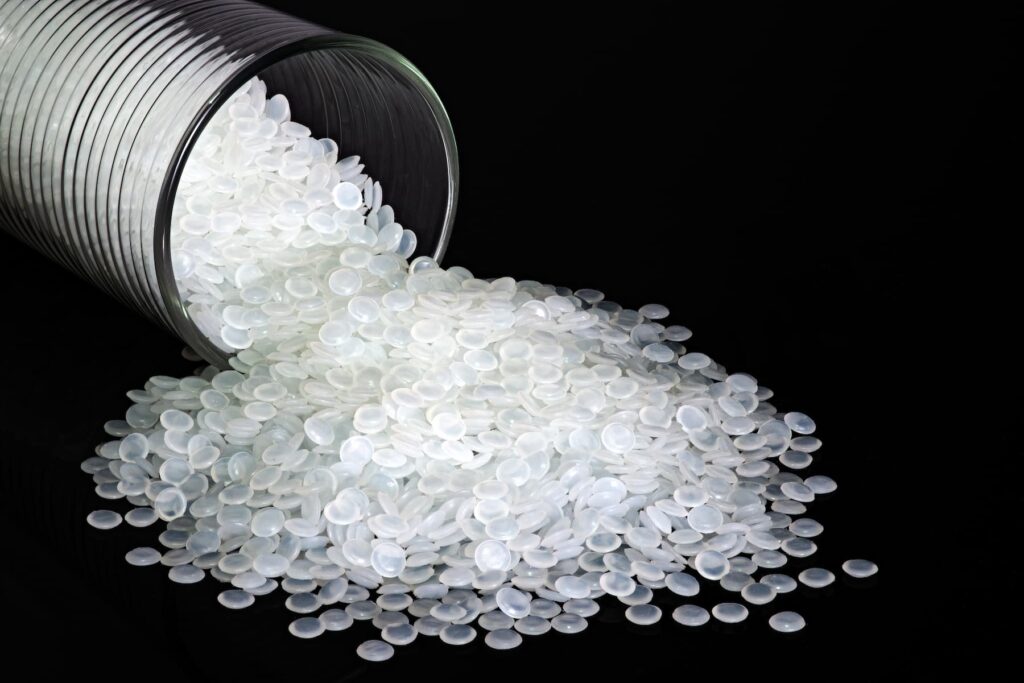
Plastics have revolutionized modern life, making possible an endless array of products we use daily. But where does this material come from? What raw materials are used to make it? At Walterpack, designers of plastic solutions, we delve deeply into the raw materials of plastics, their history, and their environmental impact. You’ll be amazed by everything behind this everyday material. What is plastic? Plastic is a **synthetic material composed of polymers**, which are long chains of molecules. These polymers are formed through a process called polymerization, where individual molecules, known as monomers, bond together to create a larger structure. This compound has the ability to be easily molded under heat and pressure, allowing its use in a wide range of products. There are two main types of plastics: **Thermoplastics**: can be melted and reshaped repeatedly. **Thermosets**: permanently harden after being molded and cannot be remelted. A brief history of plastic production Plastic production began in the 19th century with the **invention of Bakelite in 1907**, considered the first fully synthetic plastic. It was created by Belgian chemist **Leo Baekeland** as a substitute for natural materials like ivory, wood, or bone. However, it wasn’t until after World War II that plastic became a widely used material. In the 1950s and 1960s, the plastic industry grew exponentially, with the introduction of new types like polyethylene and polypropylene, derived from petroleum and natural gas. These polymers became essential materials due to their durability, lightweight, and low production cost. What raw materials are used to make plastic? Plastic predominantly comes from **fossil resources**, such as petroleum and natural gas. These resources are processed and refined to extract the components used in plastic production, specifically hydrocarbons. The raw materials depend on the type of plastic being produced and the desired properties. Traditional raw materials: petroleum and natural gas Petroleum is the predominant source, as **4% of global petroleum** is used for plastic production. During refining, hydrocarbons like ethylene and propylene are extracted, which serve as the basic monomers for producing polyethylene and polypropylene. On the other hand, natural gas also contains hydrocarbons that are processed to produce compounds useful for creating polymers. A common example is PVC (polyvinyl chloride), used in the construction industry. Alternative raw materials: biodegradable plastics As awareness grows about the environmental problems caused by traditional materials, **sustainable alternatives** have emerged, such as biodegradable plastics. These, instead of coming from petroleum or natural gas, are made from renewable raw materials like corn starch, sugarcane, or even plant waste. They have the ability to decompose more quickly in the environment, making them an attractive option compared to fossil-based plastics, which take hundreds of years to degrade. Types of plastics and their raw materials There are many types of plastics, each with **specific properties** and composed of different raw materials. Here are the most common: Polyethylene (PE): the most popular plastic used in bags, bottles, and packaging. Its main raw material is ethylene, derived from petroleum or natural gas. Polypropylene (PP): found in food containers, textiles, and automotive products. It comes from propylene, another petroleum derivative. Polystyrene (PS): used in packaging and disposable products. It is made from styrene (derived from petroleum). Polyvinyl Chloride (PVC): used in construction and made from vinyl chloride, also derived from petroleum. As you’ve seen throughout the article, the **raw materials for making traditional plastics** mainly come from fossil resources like petroleum and natural gas. However, sustainable alternatives such as biodegradable plastics are gaining ground. With technological advancements and increasing environmental awareness, it is likely that these polymers will evolve into more environmentally friendly substances. We hope we’ve answered the question: where does plastic come from? If you have more questions about this sector, we recommend you visit Walterpack’s blog. There, you’ll find the latest news and other interesting articles. Frequently Asked Questions (FAQ) It’s natural to have some more specific questions about the topic. Before we finish, let’s answer the **most common questions** to help you understand it better. What is the main raw material for plastic? The main raw material for plastic is **petroleum**, although natural gas is also significantly used. Both resources provide the hydrocarbons necessary for the polymerization of the basic monomers. Is recycled plastic a good alternative? Recycled plastic is an increasingly used option to **reduce the use of virgin raw materials** and **decrease environmental pollution**. However, its viability depends on the recycling systems available. While recycling reduces dependence on petroleum and decreases the amount of waste in ecosystems, not all plastics can be efficiently recycled. What renewable raw materials are used to make biodegradable plastics? Biodegradable plastics are made from a wide variety of renewable raw materials, including **corn starch**, **sugarcane**, **cellulose**, and other **agricultural residues**. These compounds are designed to break down more quickly and naturally in the environment, helping to mitigate the long-term plastic waste problem. How does using petroleum to make plastic impact the environment? The process of extracting and refining petroleum generates **greenhouse gas emissions**. Additionally, petroleum-derived products are non-biodegradable and **persist in the environment for centuries**. This affects wildlife, flora, and has harmful effects on human health through water pollution and the food chain.
How are cars made? Process, technology and sustainability in the automotive industry
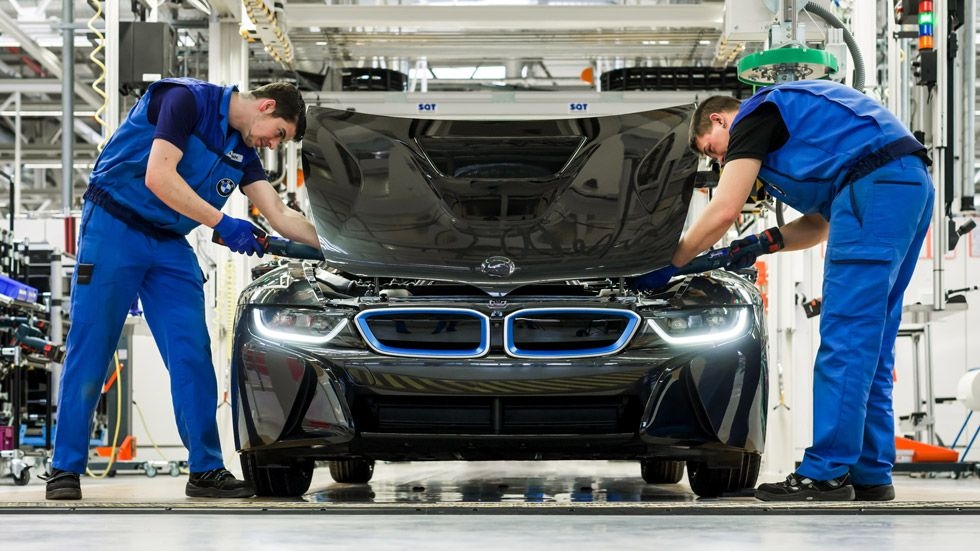
The manufacturing of cars is a fascinating and complex process that combines precision engineering, advanced technology, and detailed logistics. From the initial idea to the car in the user’s hands, every stage is crucial to ensure a quality and safe product. This article provides an in-depth analysis of how cars are made, focusing on the automotive industry in Spain and the advancements in sustainability and innovation in this sector. What Does the Car Manufacturing Process Involve? Car manufacturing is much more than assembling parts. It involves a design process, safety testing, quality control, and advanced technological infrastructure. From the concept phase to the production line, the car undergoes various tests, and strict standards are applied to ensure the vehicle’s safety and durability. A Brief History of Automobile Manufacturing The car manufacturing process has evolved remarkably since the 19th century, when the first models were created in artisanal workshops. The revolution came with Henry Ford, who introduced the assembly line in 1913, enabling mass production of cars at affordable costs. Over time, the automotive industry adopted new technologies, such as robotics and artificial intelligence, revolutionizing production and adapting to consumer needs. How Are Cars Made? Stages of the Manufacturing Process The manufacturing of a car includes several stages, each involving specific processes and rigorous quality control: Design and Development: Manufacturers define the car’s design, considering aspects such as aerodynamics, comfort, and aesthetics. Virtual tests and 3D models optimize the design before moving into production. Testing and Validation: Before mass production, prototypes undergo resistance, performance, and safety tests. This ensures the final model meets industry standards. Parts Manufacturing: Various parts that make up the car, from the chassis to the engine, are created. This process may involve multiple factories specializing in different components. Assembly: All the parts are assembled on the production line. Robotics play a significant role, especially in assembling the chassis, body, and electrical systems. Painting: The car moves to the paint booth, where several layers are applied to ensure corrosion protection and enhance the vehicle’s appearance. Quality Inspection: Every detail of the car is checked to ensure it meets quality standards. Advanced diagnostic systems verify that all functions are in perfect working order. Car Manufacturing in Spain Importance of the Automotive Industry in Spain The automotive industry is a cornerstone of Spain’s economy. The country is the second-largest vehicle producer in Europe and the eighth globally. Thousands of jobs depend on this industry, and car exports represent a significant portion of the Spanish economy. Main Car Factories in Spain Spain hosts major automotive production plants managed by leading brands such as SEAT, Ford, Renault, Nissan, and Mercedes-Benz. These factories produce models for national and global markets, with some even developing innovations later applied in other brand facilities worldwide. Most Notable Spanish-Made Car Models Iconic models manufactured in Spain include the SEAT León, the Ford Kuga, and the Renault Captur. These vehicles are renowned for their quality and performance and have been top sellers in the European market across various segments. Types of Technology Used in Car Manufacturing The automotive industry has adopted advanced technologies to improve production efficiency and safety: Robotics: Robots perform assembly tasks with great precision, particularly in processes like welding and automotive part assembly. Artificial Intelligence (AI): Used to optimize design, predict failures, and enhance the performance of automotive systems. 3D Printing: Enables rapid prototyping of parts and accelerates the development of new models. Big Data and IoT: Real-time data management improves the production chain and allows adjustments to processes based on demand. Sustainable Car Manufacturing Sustainability is a key factor in modern car manufacturing. Manufacturers are adopting environmentally friendly practices to reduce their carbon footprint and minimize environmental impact: Recycled Materials: Recycled and sustainable components, such as plastics and aluminum, reduce the consumption of natural resources. Electric Car Production: The production of electric vehicles lowers CO₂ emissions and helps meet global environmental goals. Renewable Energy: Many factories have begun using renewable energy sources, such as solar panels or wind energy, to power their facilities. Success Stories in Car Manufacturing Car Brands with Innovative Processes Some brands stand out for their innovative manufacturing processes. Tesla, for example, uses a highly automated manufacturing system in its plants, combining robots and humans to optimize assembly. Another example is Toyota, which developed the “Toyota Production System,” an efficient production model that reduces waste and improves productivity. Iconic Models Produced in Renowned Factories The Volkswagen Golf is an iconic model produced in several European factories, featuring a rigorous manufacturing process that guarantees its quality and performance. In Spain, the SEAT Ibiza, manufactured at the Martorell plant, is another example of a car that has made a significant mark in the automotive industry for its reliability and design. Frequently Asked Questions About Car Manufacturing How long does it take to manufacture a car? The manufacturing time varies, but generally, once the assembly process begins, a car can be ready in approximately 20 hours. What types of materials are used in car manufacturing? Materials such as steel, aluminum, high-strength plastics, glass, and specific components for batteries in electric models are used. What is the largest car factory in Spain? The SEAT plant in Martorell is one of the largest and most advanced in the country, with a production capacity exceeding 500,000 vehicles per year. Is car manufacturing completely automated? No, although much of the process is automated, especially in part assembly, human intervention is required in several phases, such as quality control and final adjustments. How does technology influence car manufacturing? Technology enables greater precision and efficiency in the manufacturing process, improving car quality and reducing production time. Walter Pack, as a supplier of high-quality components for the automotive industry and a manufacturer of thermoformed parts, guarantees solutions tailored to the needs of this constantly innovating sector. Our experience in manufacturing and injecting decorative and industrial plastics allows us to offer products that meet the demanding quality and sustainability standards required by today’s market.