
“A initiative like this broadens your horizons and allows you to discover another world”
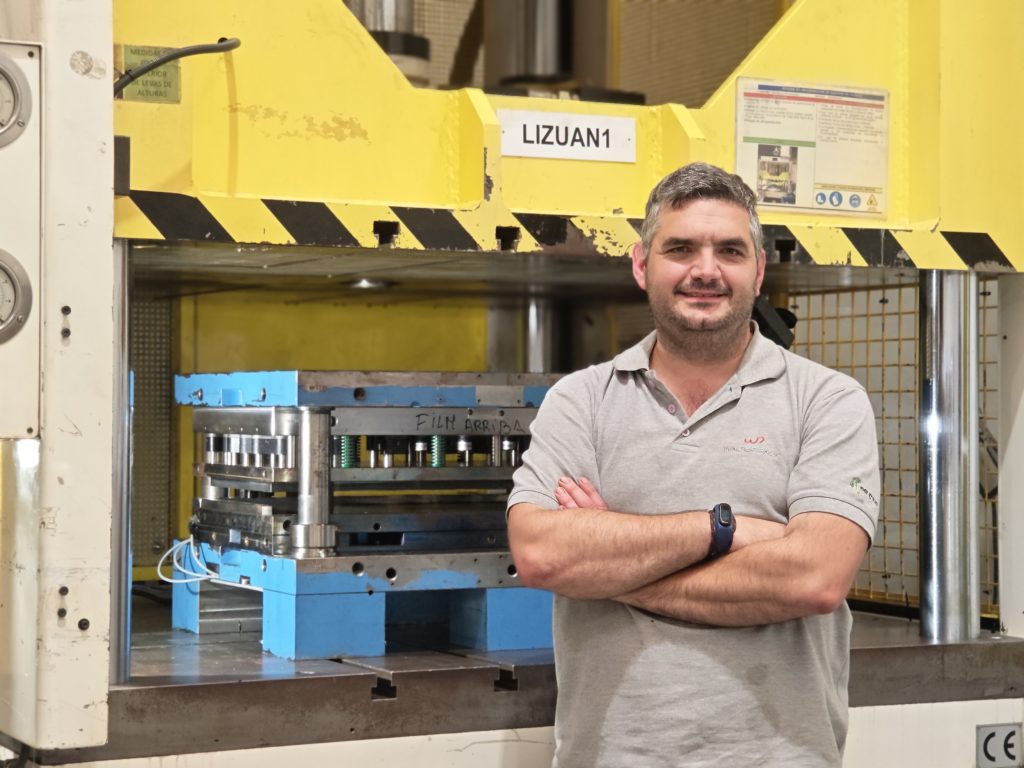
Since 2010, dozens of volunteers from Nuevo Estilo de Relaciones (NER Group) have been collaborating on solidarity initiatives to contribute to improving society and our environment. Adrián Conal is one of those individuals who combines his work at Walter Pack with his charitable activities, and his personal circumstances have also motivated him: his own 10-year-old son has a functional disability.
‘Zero-waste’, a cutting-edge challenge for R&D department
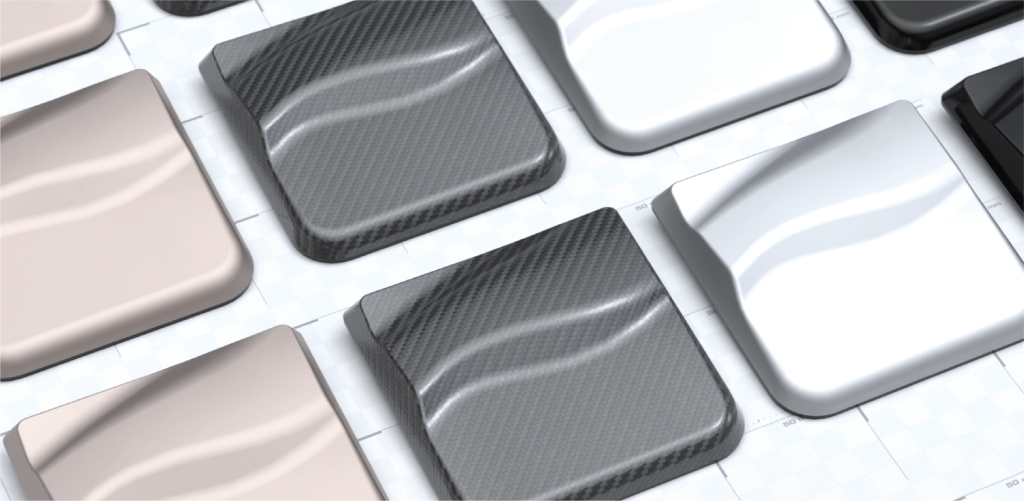
INSIDE WALTER PACK Zero-waste a cutting-edge challenge for R&D department LSustainability is one of the great challenges facing industry in the 21st century. Beyond fashions or trends, large industrial companies are already applying circular economy criteria to their processes and are demanding recyclable and reusable components from their suppliers to achieve the so-called zero-waste. The automotive sector is one of those that has begun to demand this type of solutions, although still timidly. The whole sector knows that this is an irreversible path, but many manufacturers are reluctant to take the step for economic reasons or because of distrust about the behavior of the new materials. Walter Pack is one of the companies at the forefront of this research. The work of its R&D department has led it to participate in specialized forums such as Folien + Fahrzeug / Plastic Films in Mobility in Würzburg to present, together with the Dutch technology center TNO, its design for recycling initiatives produced using IME (In Mold Electronics) technology, as part of its commitment to the circular economy. Market requirements The head of Walter Pack’s R&D Department, Iñigo Erhardt, explains what the main demands of large automotive manufacturers are: “Our customers are beginning to demand solutions and components that are recyclable and at a suitable price, without losing any of the technical or aesthetic requirements they impose on conventional parts,” he explains. To respond to these demands, his department is working on three lines of research: 01. Recycling and recyclability of the final product Walter Pack’s core business focuses on In-Mold-Forming (IMF) technology, which brings together in a single piece all the elements and materials that make it up. “The strength of our research lies in everything related to the disassembly of the part, which is essential for recycling its components. And there are two options for this: we can carry out this disassembly to extract the materials that can be recycled or, from a broader perspective, participate in the design of the part together with the manufacturer from the beginning to integrate components that are compatible with each other and can be recycled. In other words, the essence of eco-design,” he explains. The great advantage of this trend is that it makes it possible to move towards zero-defects, i.e. to optimize efficiency and reduce scrap and defective material to the minimum possible. 02. The evaluation and reuse of the waste generated The aim of this line of research is to study how the waste generated by Walter Pack can be used for reuse. “We characterize the waste we generate, try to evaluate it, look at possible areas for reuse and, if we are unable to do so, we try to find ways to reuse it, we are looking for someone to do it. This research has opened up a new avenue of business because as sustainability and recycling requirements increase, many manufacturers will demand our waste for its characteristics and specificity,” he says. 03. “Recycled” decoration In conjunction with the Color&Trim area, the R&D department is studying how to make specific decorations from recycled materials that also have that appearance. “Manufacturers are not only looking to make the most of and reuse the components that make up their vehicles but are also demanding parts that have a real appearance of recycled material: this is a trend in the current market that we are already working on,” says Iñigo Erhardt. Research challenges But how can Walter Pack dispense with more than two decades of cutting-edge research and development in terms of materials, processes, tests, etc., and tackle the manufacture of new components with different materials and properties? Although this way of working may seem new, the work carried out by Walter Pack’s R&D Department does not start “from scratch”. Iñigo Erhardt explains that the Basque company’s commitment to sustainability is a constant that it has been working on for several years but has now taken on greater interest. In this task, the R&D manager mentions the existence of two main challenges: The compatibility of technologies . One of the requirements imposed by manufacturers when commissioning this type of solution is that of economic containment. That’s why Erhardt says that one of the challenges facing the R&D department is “to make that new material compatible with our technology.” “We have to look for that compatibility to avoid additional investments that would complicate the processing of that new material. How? We rely on partners to help us recycle our own materials, or we look for suppliers to provide us with ready-made materials for the applications we need,” he says. Technical requirements Both international regulatory standards and the manufacturers themselves require their suppliers to meet a multitude of technical requirements, something that also applies to new materials. “We must ensure that these recycled and non-virgin materials meet customer specifications, and that they are as robust as conventional materials in terms of resistance to chemicals, hardness, scratching, climatic effects, aging, etc.,” says Iñigo Erhardt. R&D projects Although research into these materials is still in its infancy in the automotive industry, Walter Pack’s R&D Department has already developed two projects aimed at recycling and reusing plastic parts in line with the Zero Waste trend. 1. Reuse of its own waste. This project aims to minimize the generation of plastic waste through its subsequent use within the concept of circular economy. “We are investigating how to reuse the waste we generate, crush it and generate materials to be able to inject the plastic. We have modified the polycarbonate formation of the waste so that it can be successfully injected. The only limitation we have found is color: we are currently recycling the waste with ink but our goal is to make it transparent so we can create backlit parts with recycled material.” The project, on which he is working together with the Gaiker technology center, will be completed by the end of the year. 2. European Treasure project. This initiative, which will last a year, aims to create
What is In Mold Electronics (IME) technology?
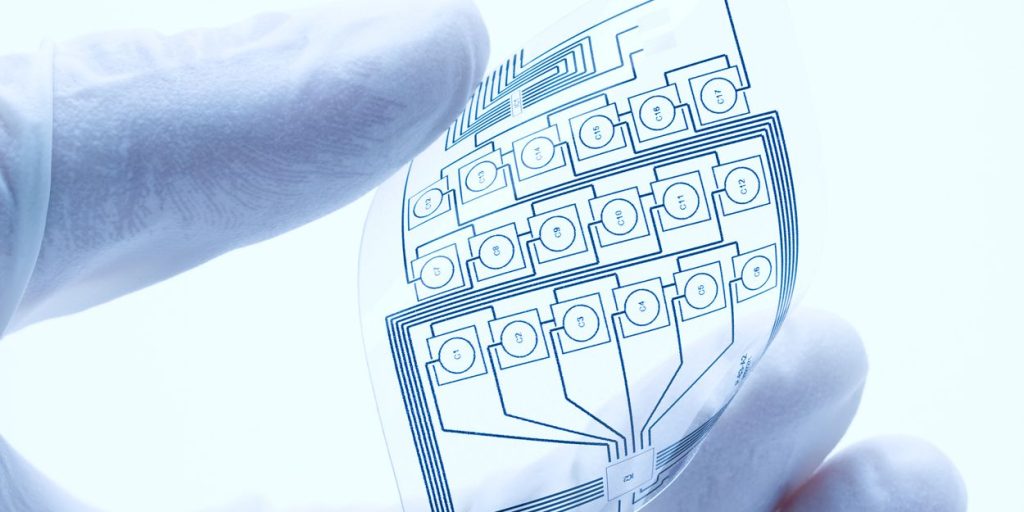
In Mold Electronics (IME) technology, also known as “plastronics,” combines electronics with plastic to achieve high-performance products that integrate functionality and design. It combines functional printing with electronic component hybridization, all using traditional transformation processes such as injection molding. This helps create lightweight devices with specific functions. In recent years, efforts have been made to develop electrically conductive plastic materials and flexible printed electronics for integration into plastic parts. Essentially, this work aims to create new products using conductive plastic materials and composite materials. These materials are based on conductive nanocarriers such as CNTs and carbon fiber, used for lightweight electromagnetic shielding. IME also seeks to develop printed flexible electronics (capacitive sensors and sliders) integrated into plastic materials through In Mold Electronics. This achieves capacitive surfaces that enhance human-machine interaction (HMI), promoting mobility and transportation. Processes in In Mold Electronics This method begins with screen printing a PC or PE film with a decorative design. Subsequently, circuits, sensors, and conductive tracks are printed using materials such as silver, copper, and carbon, combined with conductive and dielectric pastes. Once the cured plates are ready, the printed films are thermoformed into a 3D shape. These 3D shapes are placed in the injection mold, where resin is injected into the back of the shapes. This results in a rigid plastic piece with an incorporated application. All elements on the surface of the piece, such as connectors and LED lights, are placed once the shaping and molding operations are completed, making the piece more functional. Advantages of IME technology Plastronics or In Mold Electronics offers significant advantages that add value to products. Here are some of the most important advantages provided by IME: Lightweight pieces: Applying In Mold Electronics technology reduces the weight and dimensions of the final product. Additionally, post-processing operations are eliminated by directly incorporating electronic circuits into the injected piece during the molding process, resulting in flexible and lightweight products. Cost reduction: This technique combines in-mold decoration technology with printed electronics, resulting in benefits such as reducing overall system costs, developing more flexible designs, and increasing manufacturing productivity. This optimization leads to time, material, and cost savings. Advanced performance and functionality: In Mold technology eliminates buttons and various layers involved in assembling traditional electronic switches, replacing them with pre-integrated parts and capacitive surfaces. This achieves lighter, functional, and visually appealing pieces. Beneficial to various industries: This technology can be used to manufacture instrument panels and interior decorative parts in automotive applications, ambient lighting and touch controls in appliance fronts. It is also used in healthcare applications, integrating electronics into various medical devices for patient monitoring. In conclusion, IME is the technology of the new era, making it possible to incorporate functionality into complex, lightweight, and thin parts. It simplifies the integration of electronics into the final piece by using fewer materials and components. This technology is an excellent option for merging electronics with different devices used in transportation, healthcare, white goods, mobility, and other industries. Walter Pack specializes in incorporating IME into various types of critical parts in various industry sectors, primarily automotive and home appliances. We provide innovative technology that simplifies people’s lifestyles by integrating In Mold Electronics into control panels, electronic boards, indicators, and more.
Joining Forces Against Metastatic Breast Cancer at the Women’s Race 2023
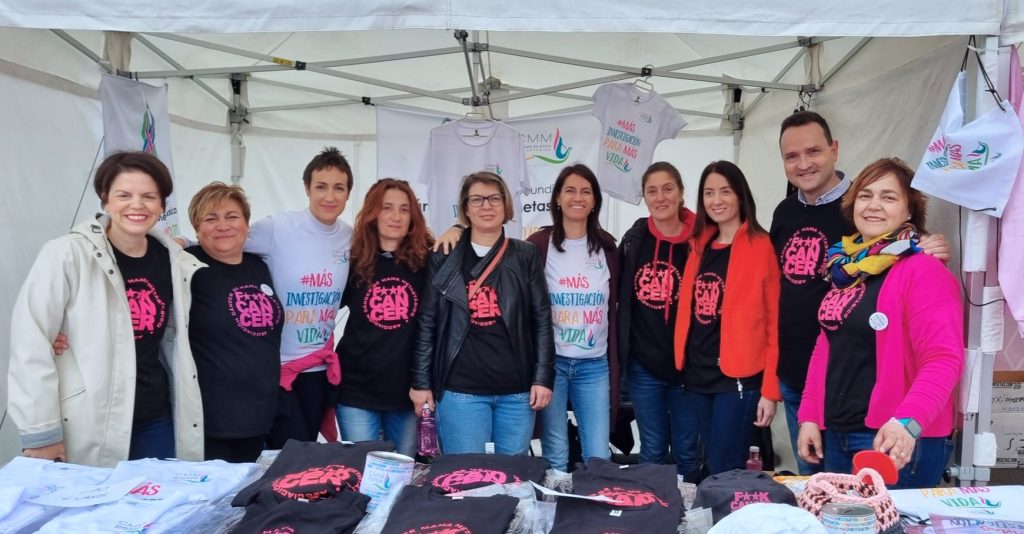
Metastatic breast cancer is an incurable illness that is also widely misunderstood. Unlike breast cancer, which receives significant social attention and has a 99% survival rate, the metastatic variant has a survival rate of less than 30%. It is relatively unknown, and research surrounding it is still in its early stages.
New solidarity action in favour of diversity in the school environment by NER Group
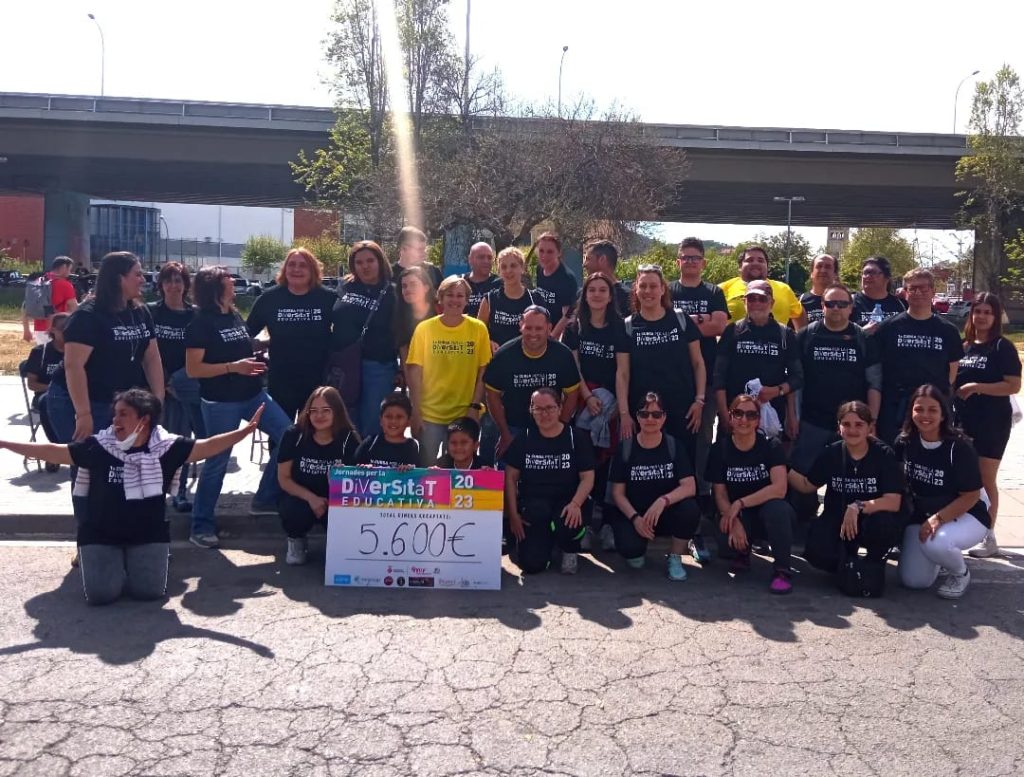
The commitment to diversity and inclusion are two of the pillars on which the activity of Walter Pack and the other organizations that are part of NER Group pivots. To make these values visible, the organizations involved have organized a solidarity event in the Barcelona municipality of Montcada I Reixac to raise funds to promote the educational inclusion of all children and young people in the borough. Diversity and inclusion in the Catalan community This initiative, which was inspired by the celebration of International Autism Day on April 2, has been promoted by Walter Pack Barcelona and supported by the Association of Families of Students (AFAS) of the Catalan municipality with a specific purpose: to support diversity and help all people, especially the youngest, to participate in the life of the municipality regardless of their abilities and skills. This commitment in favour of diversity translates into the contribution of economic resources and collaboration with the necessary educational centers. To carry out this initiative, the AFAS, in collaboration with NER Group, have organized a solidarity event full ofvactivities to be held on April 13, 14, 15 and 16. The money raised during these days will be invested in the school canteens of the centers of the neighbourhood to meet the diversity needs of students, such as hiring support monitors. A week of festivities: workshops, round-tables discussions, and a solidarity race The festive days will start on Thursday 13 with a pictogram workshop organized by the Center ADIMIR and will conclude on Sunday with a race for diversity of 3 kilometers. On Friday the municipality will host a round table for autistic people to discuss in first person about their experience, while on Saturday there will be a training day aimed at families and professionals who will address the accompaniment in communication and language in the autistic spectrum during childhood and adolescence. Already in the afternoon the Municipal Theater will be the scene of the theatrical performance “The curious incident of the dog at midnight”, by the company TEA345, ADIMIR puts babysitting service. Throughout these days, NER Group volunteers will collaborate to organize the different events and during Sunday’s race they will oversee establishing and regulating street closures and providing support to people who need help. The commitment to diversity and social inclusion in all its variants is one of the NER Group’s areas of action to which Walter Pack is committed. Over the last few years, the organizations involved have supported more than 4,000 people in 200 solidarity projects and raised more than 2 million euros in fields such as social exclusion, sustainability and the environment, education, human rights, and health.
Walter Pack reaches an agreement with Indian group SJS to grow in Asia
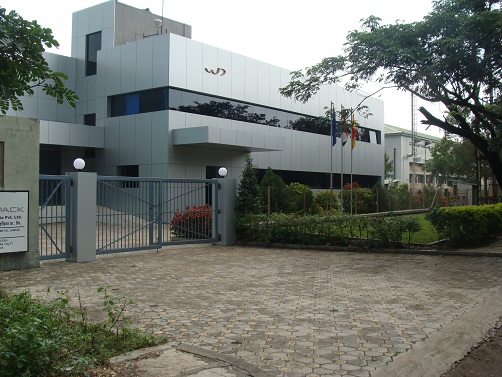
Walter Pack has reached an agreement with SJS Enterprises Limited, the leading group in the development of aesthetic printing solutions in India to kick off a forward-looking strategic collaboration between the two companies to cover the entire Asian market. A strategic alliance The alliance includes the provision of ongoing technology support to SJS for the next three years and lays the foundation for a strategic collaboration with Walter Pack and Antolin, owner of 40% of the Spanish company’s shares since December 2018. Through this agreement, Walter Pack lays the groundwork for establishing a strategic alliance with SJS Enterprises Limited to operate throughout Asia, while focusing and strengthening its business space in the European and American markets, thanks to the organization’s different locations in Mexico and Spain as well as its different Business Units: Idelt, specialized in offering a turnkey service of strategic consulting, design, prototyping, injection and production-industrialization of medium series of high value-added parts and Bericht, specialized in the creation of metal parts by cold stamping. Presence in the Asian market With the signing of the agreement, Walter Pack’s CEO, Miguel Bernar Borda, said: “This alliance allows us to cover more distant Asian markets such as Thailand, Korea or China and at the same time increase our capabilities in sectors such as home appliance or consumer electronics. In addition, we can support them with our extensive technological and innovative know-how and enable them to develop their potential in the automotive sector. This transaction lays the foundation for a future partnership with SJS in Asia, but also allows us to focus our efforts and strengthen our position in the American market.” For its part, SJS Enterprises Limited has become the leading supplier to the automotive and consumer durables segments in India and a potential supplier of components in Asia, thanks to WPI’s state-of-the-art facilities in Pune, Maharashtra, and Manesar, Haryana. Sanjay Thapar, CEO of SJS Enterprises, said, “This is an important strategic step for SJS that will strengthen our IML capabilities and add IMD technology and 2k molding capability. The agreement will also open up new business opportunities, allowing us to offer innovative vehicle interior lighting and IME solutions in the future for the new generation of vehicles. We are excited about the opportunity for a possible collaboration with Walter Pack, regarding their continued technological support, as well as future business relationships with Antolin. It will help to share technical know-how, give us access to new technology updates and ensure continuous product technology and seamless quality support”. Singhi Advisors is providing their financial expertise to Walter Pack, acting as financial advisors for the transaction. With their wealth of knowledge and experience, Singhi Advisors is well-equipped to assist in navigating the complexities of the financial landscape, ensuring that this operation is successful and benefits all parties involved. Walter Pack is a leader in the design and development of functional decorative parts with high added value, which, thanks to the work of the Color&Trim and R&D departments, has made it an international reference in advanced IMD, IML and IME technologies, and especially in IMF, the company’s true core business at international level. Walter Pack’s participation in NER Group is another of the Spanish company’s hallmarks, synthesizing its commitment to talent, teamwork, and social development.
Walter Pack showcases its technological solutions at one of the most relevant automotive design forums
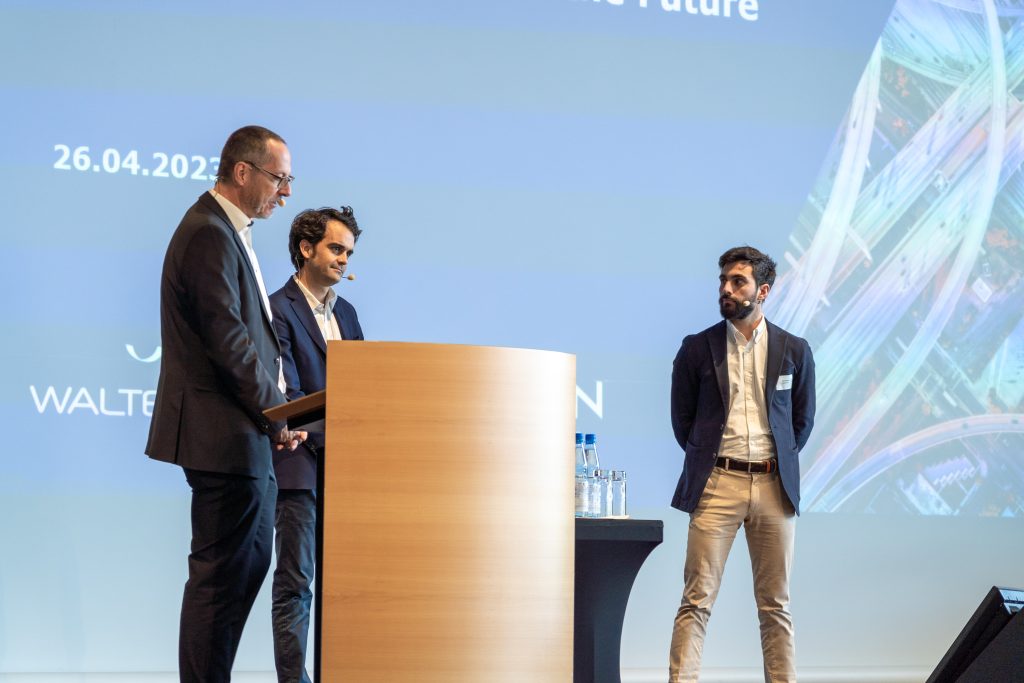
Cutting-edge design, technological integration and sustainability. These are the pillars on which Walter Pack’s participation in the Folien + Fahrzeug / Plastic Films in Mobility event was based, one of the main European forums on design and technology trends in the automotive sector, which was held on the 26th and 27th in the German state of Bavaria. The event has become a showcase for the presentation of some of the technologies in which Walter Pack is an international benchmark: its avant-garde Vehicle Information and Access System, which last January won the Innovation award at the last edition of the CES in Las Vegas, and the intelligent decorative components with glass and geode effect, which can incorporate backlighting to customize the interior of a vehicle. Walter Pack’s head of R&D, Iñigo Erhardt, together with Antolin, presented these technologies, which reinforce the leadership of both companies in the development of plastic solutions with high added value and integrated functional elements. The Vehicle Information and Access System on which both companies have worked integrates a digitized information and door opening system with an intelligent interface (HMI) in the so-called B-pillar, the exterior part between the front and rear doors. Meanwhile, the intelligent decorative systems with glass and 3D geode effect combine the beauty and suitability of these materials in interior design with the character that imprints the incorporation of backlit elements. “Walter Pack’s presence at this event was of great importance because it allowed us to showcase our potential and capabilities in the development of cutting-edge solutions that combine design and functionality. The development of these intelligent decorative components and parts that are at the technological forefront is what has made us a reference partner for the main automakers and what contributes to feeding our innovative core,” explained Erhardt. Walter Pack’s role went beyond the presentation of these solutions. Erhardt, who collaborates with the Dutch technology center TNO, participated in a forum in which he explained the organization’s firm commitment to sustainability with design for recycling initiatives produced using IME (In Mold Electronics) technology. “Design for recycling is a key strategy for building a sustainable future. Moreover, for the automotive industry it is an essential element in moving towards a circular economy,” he said. The Folien + Fahrzeug / Plastic Films in Mobility forum, which has been held for more than 15 years, brings together the main players in the ecosystem of innovation, design and technological integration in the automotive sector and is an ideal space for the presentation of new trends in this field. This event is also a meeting place that favors the creation of professional collaborative networks and is committed to an ecosystem based on sustainability and circular economy.
The challenges of electric car interior design
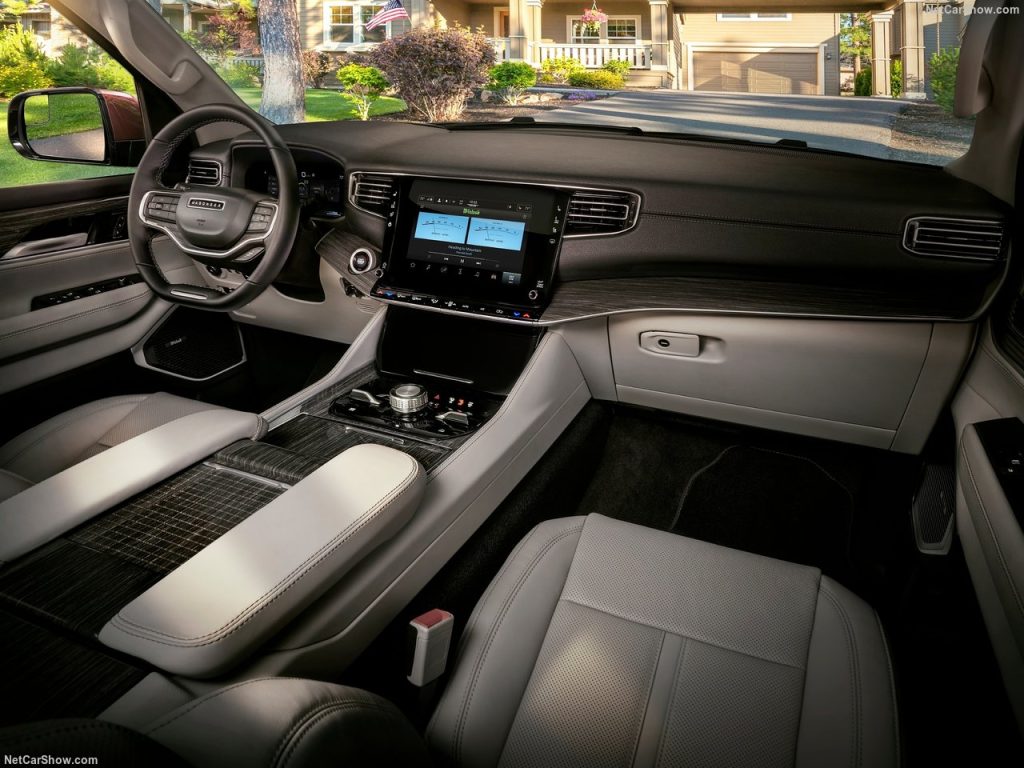
Electric cars are becoming more and more popular. There are many people who are interested in this type of vehicles and bet on this new concept, which is undoubtedly quite promising. This is mainly because they are much more environmentally friendly and the running cost is much lower compared to combustion cars. However, inside an electric vehicle there are some design challenges that we will explain in this article. Some features of electric cars Electric cars came to the market with ostentatious and futuristic designs. Over time, they have been simplified, becoming much more normal looking but without losing the avant-garde features that differentiate them from traditional models. Inside, these cars have technology that allows the entire electrical system to keep running. In addition, they have assistants that make driving easier, which are increasingly being introduced by brands. As these cars do not require a central transmission tunnel, the front and rear seats are much more comfortable and spacious than in traditional vehicles. Also, in most electric cars, the batteries are located under the floor of the passenger compartment, so space is not affected. However, the difference can be seen in an increase in the height of the vehicle. Electric cars : design challenges Choose the right architecture The first of the drawbacks that arise when designing the vehicle is choosing the right architecture. While it is true that the engineers in charge of the design have more freedom, since there is no preconceived idea of how the vehicle should look, this can work against the design of the vehicle. For example, with combustion cars there was already an idea of what they should look like, because their design revolved around the powertrain, but with electric cars this is not the case. This gives designers the possibility to create an infinite number of innovative models, but the problem lies in how to select the right architecture that is best optimized and meets all the performance requirements. Experimenting with all these alternatives is complicated, if not impossible, because many models would have to be tested and time-to-market would be affected. Management of vehicle features The second challenge is to better manage the thermal characteristics of the vehicle. This issue is of utmost importance to ensure comfort and thermal comfort to users. In this sense, conventional vehicles with the heat generated by the engine could keep the heat inside the vehicle, while the battery and the electrical system heated the seats. With electric cars, two reasonable questions arise: how is it possible to offer users thermal comfort without sacrificing range, and how can heat be better distributed without overheating the batteries? This is why studying thermal behavior while the vehicle concept is still under development is fundamental to its success. Sustainability The fourth challenge of electric cars has to do with sustainability. In electric cars, plastic is one of the protagonists and has great relevance in order to boost the automotive industry. But, these materials must meet certain needs in terms of sustainability, durability and comfort to satisfy both the needs of the manufacturer and the users. Touch screen A major challenge for the interior design of electric cars is the addition of touch screens in the center panel. Instead of employing buttons as was customary with traditional cars. Tesla, being one of the largest electric car manufacturers, has served as a benchmark for other vehicle manufacturers. Its latest innovation is the implementation of a touch screen in the car’s console, a model that other companies have been following with the introduction of their own version of screens. Much to the concern of regulators as to what activities the screen can be used for. At Walter Pack we have also developed this type of screen-lens, for example, for the well-known Jeep SUV brand, with the WS Lens project, these screens located in the center console give the vehicle an unparalleled touch of distinction. Sure, touch screens offer a friendlier interface, which can be easily upgraded, but some people have raised concerns about security. Beyond all the advantages it can provide, it can be a risk for users because it means a big distraction. Design simplicity Electric cars are characterized by their sophisticated and rather simple lines. This is reflected in its interior design, where a totally minimalist style is appreciated, which for many is not to their liking. We are talking about going from a console with several buttons where you could modify the different functions of the car to a totally opposite style where there is practically nothing. The reason for this is quite simple and it is about minimizing costs. Interior panels, complex consoles and dashboards have a high value, and increase the complexity of manufacturing, so companies have found it necessary to simplify some aspects of the interior design, replacing the buttons and air conditioning outlets by a central touch screen, steering wheel controls and a single vent. At Walter Pack we can create the necessary parts for your car by applying first class technology. Our decorative parts for the interior of your vehicle are specially made to give you the best comfort. We use various technologies, such as plastronics for the realization of center panels, indicators, lights and more. We integrate electronic components in plastic parts, which allows us to create effective and fast solutions, all through advanced technologies. We want to offer you the best experience in interior design for cars, so we offer you a complete service from the design of the part to its manufacture.
Artificial Intelligence, an ally in Color&Trim emotion design
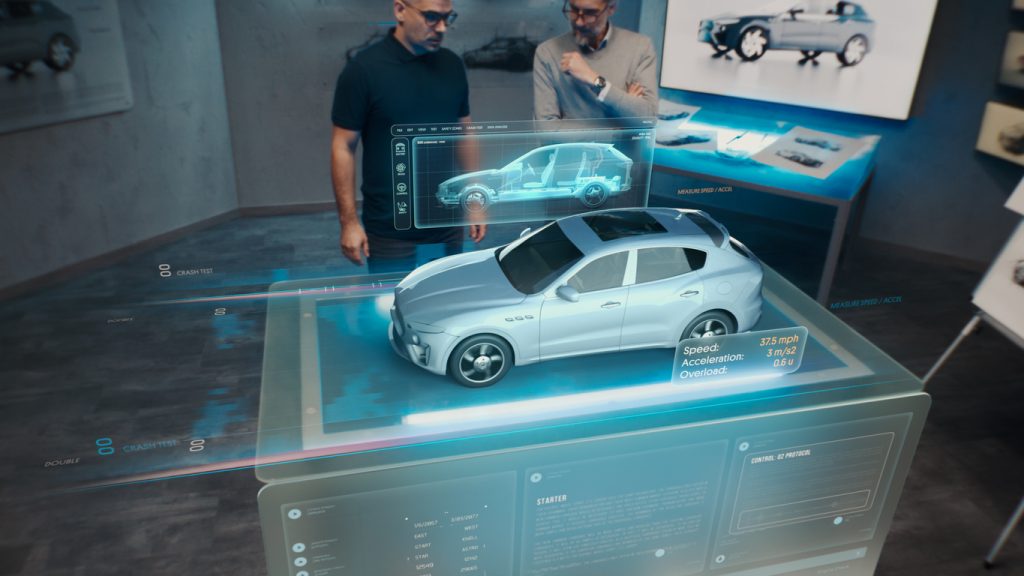
If artificial intelligence (AI) is already capable of optimizing drugs and cancer treatments and even, it is said, writing this post, why can’t it come up with amazing designs? Or be at the forefront of creativity in sectors such as consumer electronics and automotive? It’s impossible to know how much this technology will evolve in the future but, as of today, the answer to both questions is no. AI is computer software that draws on an infinite amount of data of all kinds, from photographs and videos to chemical formulas, to provide us with the logical result that best fits what we ask of it. And here is the nuance: AI provides logical results, not emotional ones, and always based on existing data, at least so far. Real materials and haptic qualities Would artificial Intelligence have been able to design decorative automotive parts based on real materials such as stone, aluminum or wood, or to create haptic qualities to provide perceptions through touch? The answer also seems obvious for one reason: a computer system lacks the qualities and skills that a human being possesses when it comes to applying sensory, personal criteria and, therefore, without a determined logic. Channeling emotions and passion A machine cannot bring passion, nor can it channel emotions, nor can it interpret tactile sensations or visual, olfactory and auditory comfort. These properties, which are a mainstay of design and creativity in human beings, are what characterize the work of companies such as Walter Pack. Its Color&Trim department is responsible for analyzing market trends to define an aesthetic that meets the requirements of its customers, and works every day to create its own exclusive designs with one goal: to create a unique emotional experience for users of vehicles and all current and future consumer electronics. Drawing future trends The work of the Color&Trim department consists of analyzing the needs of its customers in order to meet them with an additional component that adds value: it is based on current trends and demands in order to create the designs of the future and come up with new shades, shapes, colors, finishes and functionalities. This does not mean that artificial intelligence is not a valuable tool for the work of a core technology company like Walter Pack. This technology can help speed up the mechanical work of the Color&Trim and R&D departments when, for example, analyzing market trends in the use of certain materials or colors, or providing a quantitative result on the perceptions that have been collected in different market surveys. Experiencing sensations What it will never be able to do is to put itself in the place of a parent who has to take their children to school every day before going to work, or to experience the sensations of a person who conceives their vehicle as an element of leisure, beyond a mere means of transportation. AI is useful for speeding up data analysis to reinforce a particular bet, but it will never be able to extract the nuances that a person feels when they sit behind the wheel of a car, rev it and shift gears; or the sensory experience they perceive when their hand feels the coldness of aluminum or the warmth of the wood of the gearshift knob. The design of a car, like that of any electronic device, encompasses the aesthetic, functional and sensory aspects. And this is precisely what makes the difference when designing a user experience. All these elements make AI a powerful ally for companies like Walter Pack when it comes to supporting its customers in the design, development and manufacture of high value-added plastic components. This collaboration can help you design exclusive decorative parts for the automotive sector and unique functional elements for consumer electronics.
The importance of design and customization in small homeappliances
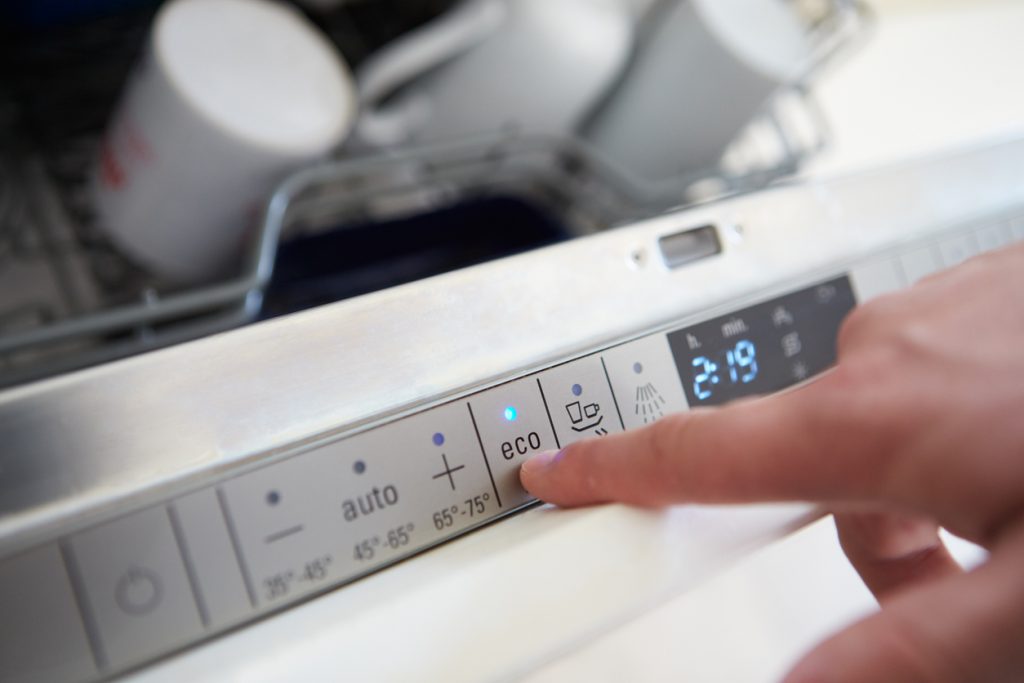
When a German engineer founded the Braun company in 1921, it was clear to him that his components and products had to combine design, functionality, efficiency and beauty. Both Max Braun and his descendants, Artur and Erwin, were committed to innovation from the outset and entrusted the development of their appliances to specialists such as Fritz Eichler and, above all, to Dieter Rams, one of the gurus of industrial design. The work of those pioneers, which turned Braun into an industrial group with a turnover of more than 7.4 billion euros and employs 64,000 people, is now being carried out by core technology companies such as Walter Pack. The Basque company produces innovative, customized solutions with an exclusive design that place it in a preferential position as a reference partner of the major appliance manufacturers. Keys to great industrial design If Dieter Rams was for Braun one of the standards of innovation and design, in the case of Walter Pack it is the Color&Trim and R&D departments that are responsible for researching new materials, textures and designs to fulfill the dreams and needs of its customers and develop solutions with high added value. Now, as almost a century ago, the work of both is aimed at ensuring the 10 principles that, as Dieter Rams predicted, a great industrial design must fulfill: be innovative, useful, easy to understand, aesthetic, discreet, honest, of lasting value, precise down to the last detail, environmentally friendly and small in size. User experience through design Today, users attach specific weight to the design of the appliances that are part of their homes, but they also want them to be scalable, connected, able to integrate with other devices in the smart home environment, and of course, fully functional and intuitive. In addition, large manufacturers are demanding solutions that enhance the user experience through design and sensory stimulation. This is where the Color&Trim and R&D departments work together to anticipate market demands, inspire unique sensations and set trends. Appliances with high added value One of the sectors in line with these objectives is consumer electronics. Household appliances must be functional, but they must also be accompanied by differentiating elements that add value, in which Walter Pack is an international benchmark: elegant designs with differentiated haptic qualities, real materials such as stone integrated into the components, and dynamic lighting systems that help to personalize the solutions. These differential proposals, among others, constitute a pole of attraction for consumers, improve the user experience and increase brand loyalty. IMF, the differential technology To achieve these objectives, Walter Pack offers manufacturers a wide range of expertise forged in the demanding automotive industry. The Basque company bases a large part of its portfolio on In-Mold Forming (IMF) technology, which is its core business; the use of this technique has placed it at the forefront of Original Equipment Manufacturers when it comes to producing three-dimensional plastic parts with decorative finishes of the highest quality, robust and resistant to abrasion and wear. The IMF technology deployed by Walter Pack brings numerous advantages, including: It requires a lower investment even for large volumes of parts. It is the best option for series that include customization options, i.e., with many references and a low production volume. It offers optimum results in printing patterns and effects with textures and finishes capable of generating differentiated tactile sensations. It incorporates many more possibilities for design and generation of effects (night and day, haptic, etc.). Allows the inclusion of decorative elements beyond the partition line, especially in the side sections. All these characteristics make Walter Pack a reliable partner that has made design, innovation, customer support and turnkey solutions its main hallmarks.