
Antolin, e2ip and WalterPack join forces to develop In-Mold Electronics technology
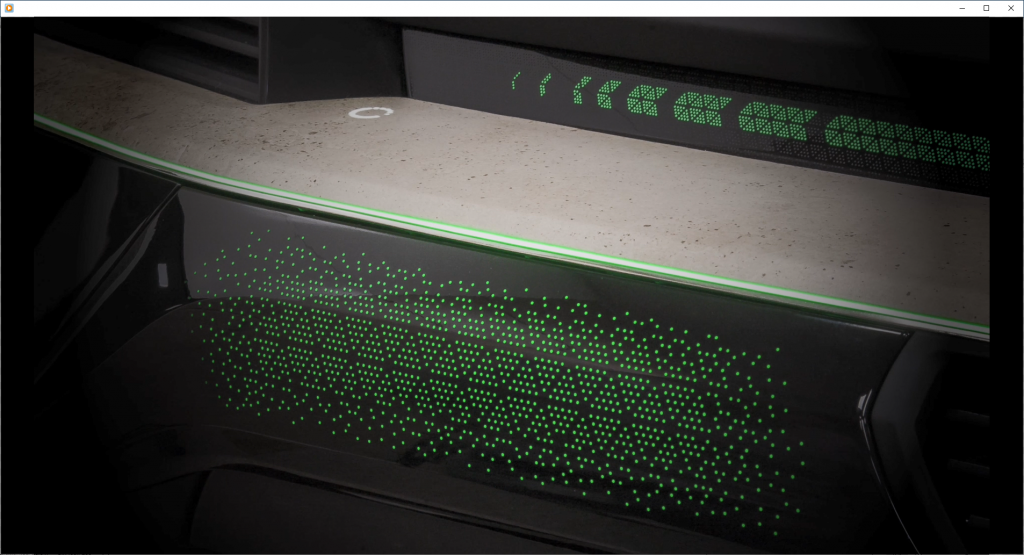
The companies create the In-Mold-Electronics (IME) Alliance to offer a global and highly scalable manufacturing capacity for this innovative technology, driving innovation in the automotive industry and reducing electronics eco footprint of custom HMI solutions.
Walter Pack poised to showcase innovation at Automotive Interiors Expo 2023
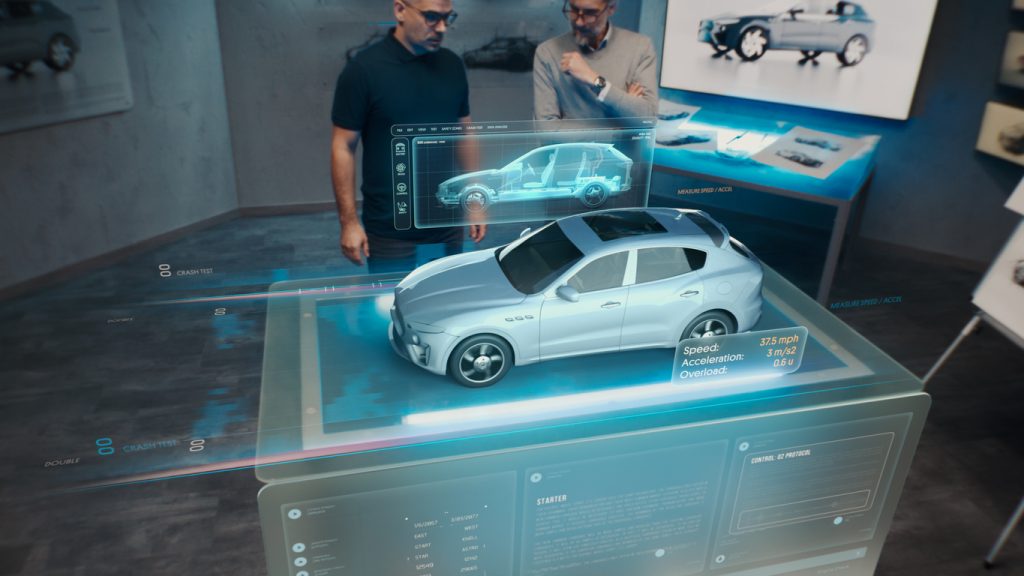
The Automotive Interiors Expo presents a pivotal opportunity for Walter Pack to showcase its cutting-edge advancements in automotive interior design
Walter Pack commits to the United Nations Global Compact and reinforces its dedication to sustainable business practices

Walter Pack has solidified its commitment to ethical business practices by joining the United Nations Global Compact, a far-reaching global initiative endorsed by the UN. This initiative champions sustainability as its core objective, striving to align organizations with the 10 Universal Principles encompassing Human Rights, Labor Standards, Environmental Stewardship, and Anti-Corruption Measures.
Fakuma 2023: Exploring the Future of Plastics at Friedrichshafen’s Plastics Festival
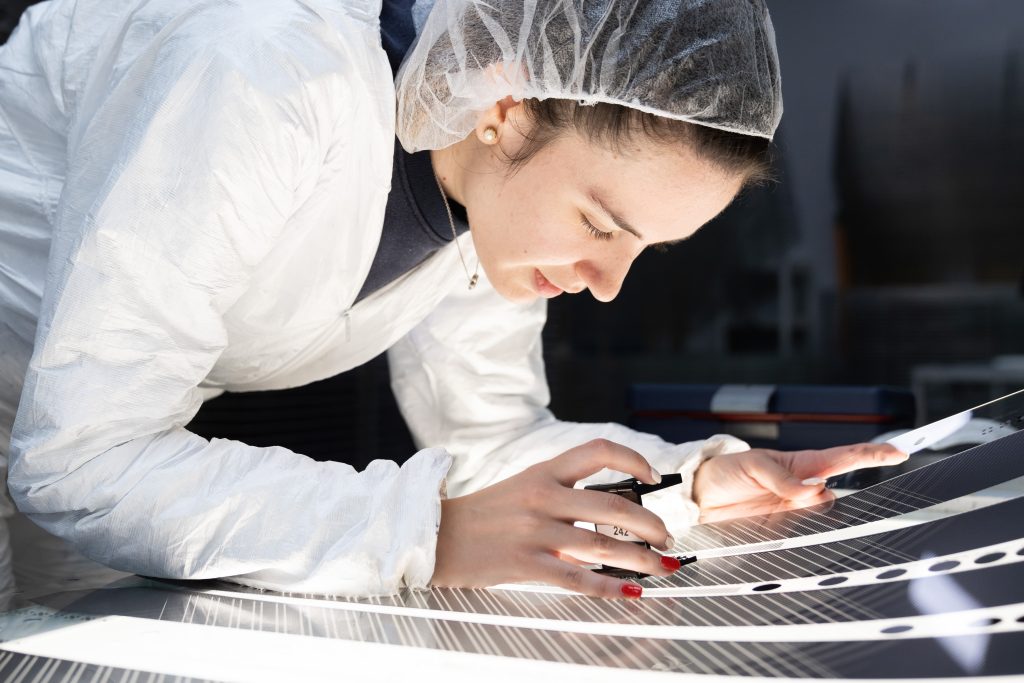
In a time when the world is grappling with environmental concerns and the need for sustainable practices, the plastics industry is at a pivotal moment of transformation. Walter Pack is gearing up to attend Fakuma, the international trade fair for plastics processing, set to open its doors in Friedrichshafen from October 17 to 21, 2023.
Carbon neutrality cruises into the automotive industry
The concern about the climate situation and sustainability is more relevant than ever today. Various sectors of the industry are making efforts to improve various aspects of their production processes in order to achieve a pollution-free environment.
Exploring sustainable materials for Home Appliances

Sustainability is playing an increasingly significant role in industrial production. Its importance has now reached a level similar to other fundamental aspects such as growth and safety. Leading brands are now blending their quest for efficiency in household appliances with the incorporation of eco-friendly materials in their production processes.
Reducing the weight of automotive components
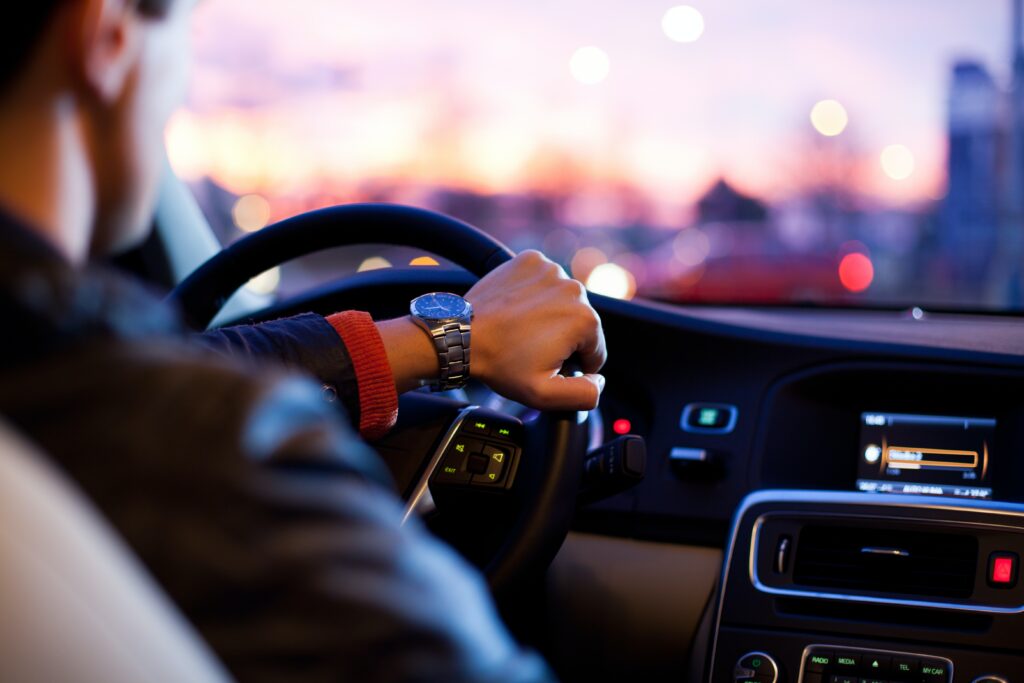
In today’s context, European regulations aim to reduce the amount of materials used in manufacturing processes as a way to decrease CO2 emissions and minimize environmental damage. One of the major sectors affected by these regulations is the automotive industry, which is increasingly striving to create efficient vehicles without incurring significant losses. One strategy adopted by automotive companies is designing lighter vehicles using fewer materials. To achieve this, they are exploring the development and use of alternative, strong, and durable materials, including various types of plastics. In the following article, we provide detailed insights into the most commonly used materials for creating lighter and environmentally-friendly cars. How much does a light car weigh? First and foremost, it’s essential to understand that the weight of a lightweight car depends on several factors, including size, vehicle type, and the materials used in its manufacturing. However, the general process that companies follow to make their cars lighter is essentially the same. The process begins with the smaller and more aesthetic parts. This is because it’s much simpler to evaluate which components can be made from lighter or hollow materials while still meeting cost and quality requirements. Lighter plastics Now, as mentioned earlier, plastic is one of the most commonly used alternative materials. This is because many of its varieties offer a great balance of weight and strength, as well as being more cost-effective. Among the lightweight plastic types are: Polypropylene (PP) Polypropylene is a highly flexible thermoplastic that’s resistant to fatigue, heat, and impacts. It’s primarily used in exterior parts and accessories for automobiles. It’s commonly chosen for components that require both toughness and a lightweight structure. Its density, around 0.9 g/cm3, makes it one of the lightest materials. What’s remarkable about this material is that methods have been developed to make it even lighter. One approach involves using high-performance reinforcements like Hyperform HPR-803, rather than chopped fiberglass. This can make the material up to 15% lighter while also increasing its rigidity and impact resistance. Polyethylene Due to its mechanical properties, polyethylene is quite similar to polypropylene. It has a density of 0.92 to 0.97 g/cm3, making it slightly heavier than polypropylene. However, it’s stiffer and offers resistance to deformation. It’s commonly used to manufacture parts that require high chemical resistance, such as fuel tanks, hoses, and even carpets. ABS With a density ranging from 1.04 to 1.07 g/cm3, ABS is one of the lighter and more robust plastics used today. It’s a thermoplastic known for its toughness and impressive impact resistance. ABS plastic is employed as a means to reduce weight in modern vehicles, being incorporated into parts like grilles, fender extensions, hubcaps, door panels, front panels, rear bumpers, and more. Thanks to its lightweight nature and exceptional strength, ABS was used to manufacture the world’s first 3D-printed car, which weighed less than 500 kg in total. Which materials work best for automotive applications? The plastics we’ve mentioned are some of the lighter and commonly used ones in the automotive industry, thanks to their composition and various properties. However, other plastics are also employed in car manufacturing, such as: Polycarbonate Polycarbonate is a thermoformable plastic that’s easily molded, known for its extremely high impact resistance and glass-like transparency. It boasts impact resistance that’s 250 times greater than regular glass, making it a common choice for manufacturing headlight lenses and even bulletproof glass. It’s also used in electronics to produce touch panels with integrated circuits. Its versatility and exceptional properties make it a valuable material in various industries, including automotive and electronics. Nylon This refers to a plastic reinforced with either mineral or glass fibers, which enhances its mechanical properties and makes it stiffer without significantly increasing its weight. It’s highly wear-resistant, making it a preferred material for manufacturing gears, bearings, bearings, and even manifolds. The best part is that it weighs only 15% of what steel weighs and 40% of what aluminum weighs. Achieving weight reduction in cars today can be a real challenge for the automotive industry. However, by using materials like those mentioned earlier, along with innovative molding techniques, achieving the sought-after sustainable design is possible. That’s precisely what we do at Walter Pack. Through injection, plastronics, and prototyping techniques, we can manufacture parts for smart, functional, and decorative cars. Feel free to reach out to us to learn how we can help turn your dreams into reality.
What is dynamic lighting?
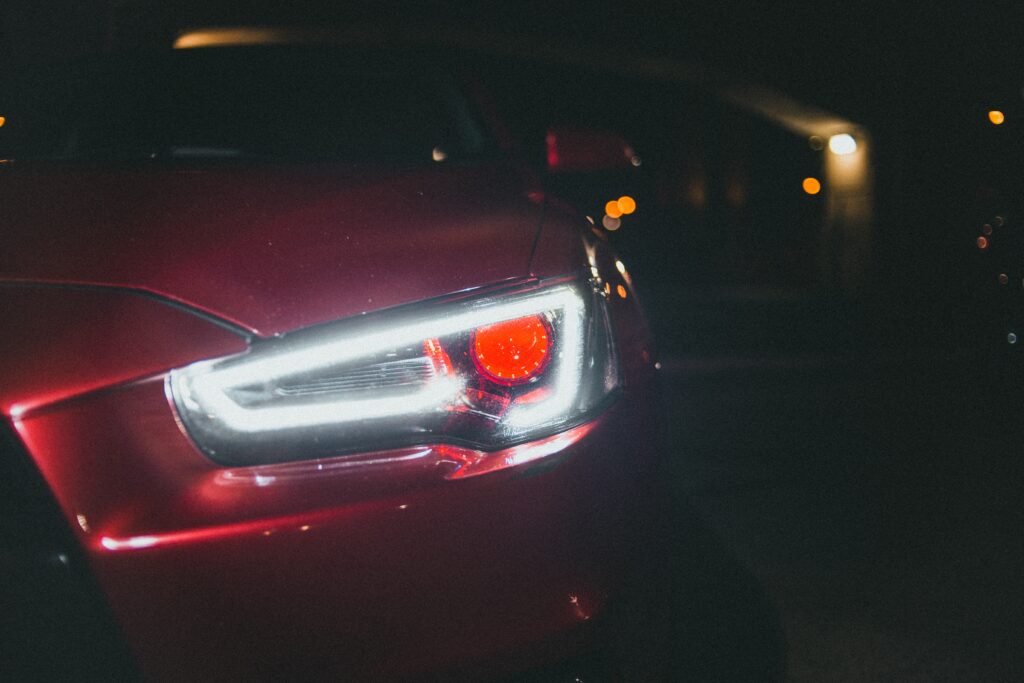
In order to offer people maximum comfort and convenience, technology and innovation are two key factors applied in various aspects of daily life. Dynamic lighting is one of these tools, as it offers the opportunity to take a leap forward when it comes to illuminating spaces and environments, not only in homes and offices but also in the automotive sector. But what is this technology all about? At Walter Pack, we will explain all the details about it. What is dynamic lighting? Also known as technical, decorative, or linear lighting, dynamic lighting is an intelligent lighting mechanism. This means it regulates and adjusts based on the environment and the amount of natural light present. In this case, dynamic lighting replicates the patterns of natural light and aligns with the body’s circadian rhythms. The purpose of this mechanism is to create natural environments that promote the well-being of users, considering changes in light intensity, warmth, and color tone. How does dynamic lighting work in cars? This system is built upon an intelligent mechanism that adjusts based on ambient conditions. It consists of a set of dynamic LED lights that change in intensity, color, orientation, and more. The automotive sector employs this mechanism in the production of vehicles with headlights that adjust their intensity and focus. Dynamic lighting allows drivers to enhance their road visibility in low-light conditions, adverse weather, or on winding roads, thereby increasing safety. Typically, dynamic lighting systems comprise sensors and actuators that regulate light intensity. These include various technologies such as: Ambient Light Sensors: These measure ambient light levels and adjust the beam intensity to prevent blinding other drivers. Rain Sensors: These adapt light intensity based on the amount of rain, enhancing driver visibility in wet conditions. Headlight Actuators: These modify the angle and focus of the beam. Temperature Sensors: They measure air temperature and adjust the color temperature of the light to prevent glare. This improves driver visibility, especially in icy or snowy conditions. Speed Sensors: They determine the car’s speed and automatically adjust the light, improving road visibility as speed increases. Furthermore, some dynamic lighting systems can incorporate advanced technology like laser lighting, which offers brighter and more uniform illumination than halogen lights. Types of dynamic lighting systems There are various types of dynamic lighting systems. For instance, there are adaptive lighting systems that adjust the light beam based on characteristics such as speed, steering direction, and distance to other vehicles. With these systems, at low speeds, the beam illuminates the sides, helping to light up corners and nearby obstacles. Conversely, at high speeds, the beam is directed forward to illuminate the road better. Another type is the dynamic curve lighting system. This mechanism moves the headlight in the direction of the curve, which is particularly useful on winding roads. These devices not only enhance driver safety but also contribute to driver comfort by reducing visual fatigue. Characteristics of dynamic lighting systems The following are the most important characteristics of dynamic lighting systems: Adaptability Exactly, dynamic lighting systems have the capability to adjust the lighting based on various environmental conditions, such as weather, time of day, and the presence of other vehicles. Aesthetics of dynamic lighting systems Absolutely, when it comes to design and aesthetics, dynamic lighting systems can be a fantastic addition, making them a feature that adds uniqueness to modern vehicles. The use of LED lights opens up a range of possibilities for customization, including different colors, precise light patterns, and varying levels of brightness. Tail lights and headlights can be designed to complement the vehicle’s appearance and enhance its overall aesthetic appeal. This level of personalization allows car manufacturers to create distinctive visual signatures for their vehicles, setting them apart and contributing to their brand identity. Dynamic lighting not only improves visibility and safety but also serves as a design element that contributes to the overall attractiveness and recognition of the vehicle. It’s a blend of functionality and style, adding a touch of sophistication to modern automotive design. Customisation They can be adjusted according to the driver’s needs. An example of this is their ability to change beam direction, intensity, and color based on specific driving conditions. As time goes on, we can certainly expect even more modern and sophisticated lighting systems that are more adaptable and offer higher levels of safety than what our current systems provide. This will result in a more enjoyable and comfortable driving experience. At Walter Pack, we combine our advanced plastic injection and molding techniques with the latest dynamic lighting systems to offer our customers comfort, luxury, and sophistication.
Automotive lighting systems, trends and types
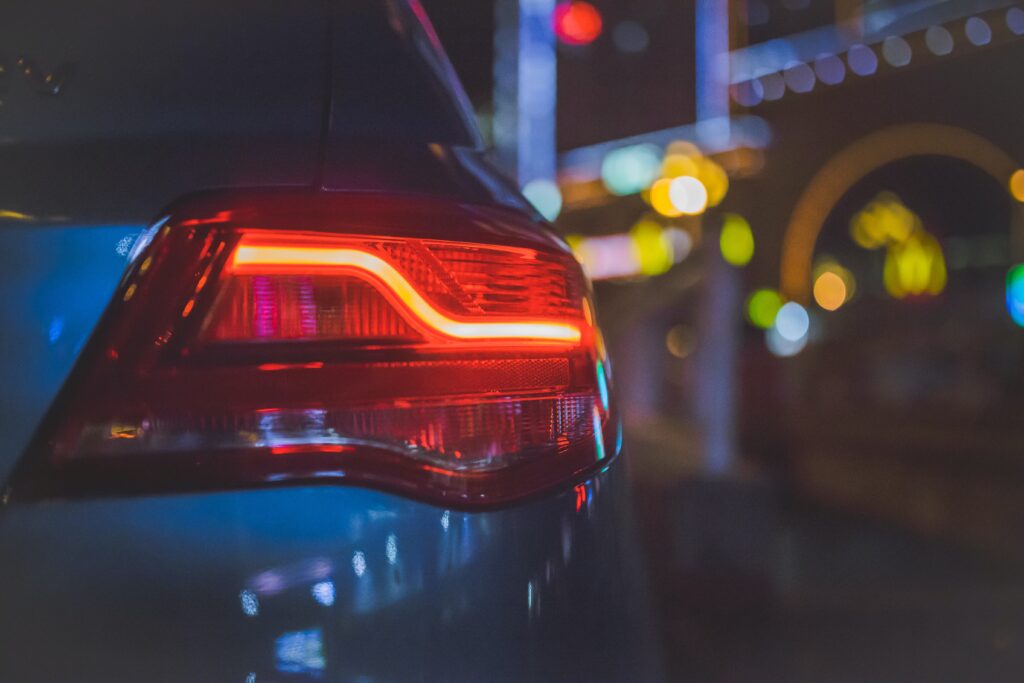
Having a reliable lighting system in a vehicle is essential as it ensures proper visibility at night and enhances the visibility of the vehicle to other drivers. While we may not always think of lighting systems as safety mechanisms, they play a crucial role in vehicle safety. This is precisely why, over the years, and thanks to technological advancements, automotive lighting technology has been evolving. For instance, one of the recent additions is daytime running lights, which are mandatory in cars manufactured in Europe. Furthermore, LED lamps are becoming increasingly popular due to their low energy consumption and efficiency. At Walter Pack, as a company specializing in the design and manufacturing of functional automotive components, we engage in discussions about various types of automotive lighting and stay updated on the latest trends in the automotive sector. Types of lamps or light-emitting devices Currently, there are four types of lighting options available for vehicles. These include incandescent or incandescence lamps, which were invented over 130 years ago. Additionally, there are LED lamps, which are among the most popular options today and have a history spanning over 80 years. Furthermore, halogen lamps and xenon lamps are also prevalent, offering specific advantages that we’ll delve into below: Incandescent lamps This type of lamps for automobiles utilize a metallic filament made of tungsten. When an electric current passes through it, the filament behaves like a resistor. This filament heats up and becomes red-hot, emitting both heat and light. The filament is enclosed within a glass bulb filled with a noble gas like krypton or in a vacuum. While these lamps produce significant illumination, they consume more energy, resulting in a shorter lifespan. Halogen lamps They operate on the same principle as incandescent lamps, but the key difference is that they are filled with a halogen gas. This gas enables the filament to last longer and emit a greater amount of whiter light compared to incandescent bulbs. Despite this increased output, the energy consumption remains similar, making them highly efficient. Due to the higher temperatures they can reach, these lamps no longer use glass bulbs made from silicon dioxide (traditional glass); instead, they use quartz glass, which is more heat-resistant. However, it’s important to avoid touching the bulb with bare hands. The slightly acidic pH of the skin, combined with the grease and sweat on the hands, can damage the quartz glass. The introduction of halogen lamps marked a significant shift in automotive lighting systems, as they provided a substantial increase in light output. Xenon lamps Also known as High Intensity Discharge (HID) lamps, these are made from quartz glass with tungsten electrodes positioned very close to each other but without physical contact. They are filled with mercury vapor, metal salts, and xenon gas. When the current flows to the electrodes, it creates an electric arc that emits high-intensity, slightly bluish-white light. Despite requiring a high voltage to ignite, HID bulbs have lower energy consumption compared to halogen lamps (for instance, low beam HID bulbs consume around 35 W, compared to the 75 W consumed by halogen bulbs) Xenon lamps represent a significant advancement in automotive lighting, offering brighter and whiter illumination than halogen lamps. This helps reduce visual fatigue. However, they come at a higher cost, ranging from around 150 to 200 euros per unit, as opposed to halogen bulbs priced at 12 to 18 euros each. Xenon lamps also provide a longer lifespan. While typically used for low beam (dipped) lights, they can also be found in high beam (main) lights, enhancing overall visibility on the road. LED lights LED lamps are constructed using a semiconductor material encapsulated within a small plastic lens. When subjected to a low voltage, they emit light. This phenomenon occurs when electrons flow across a potential barrier to combine with a hole, producing a photon in the process. Due to their aesthetic appeal and lower energy consumption, LED lamps are increasingly being used in automotive lighting. They find applications in daytime running lights, rear position lights, brake lights, and turn indicators, as their brightness level is notably high. LED lights are commonly found in high-performance headlamps due to their superior brightness and efficiency. They offer greater durability compared to other types of lamps, although they do come with a higher cost. At Walter Pack, we are dedicated to our customers, and we incorporate cutting-edge technology, especially in the automotive sector, to create unique decorative pieces and enhance your projects with top-notch performance. If you’re interested in lighting, don’t miss our other article on dynamic lighting.
The Rise of Electrification: Impact Unveiled
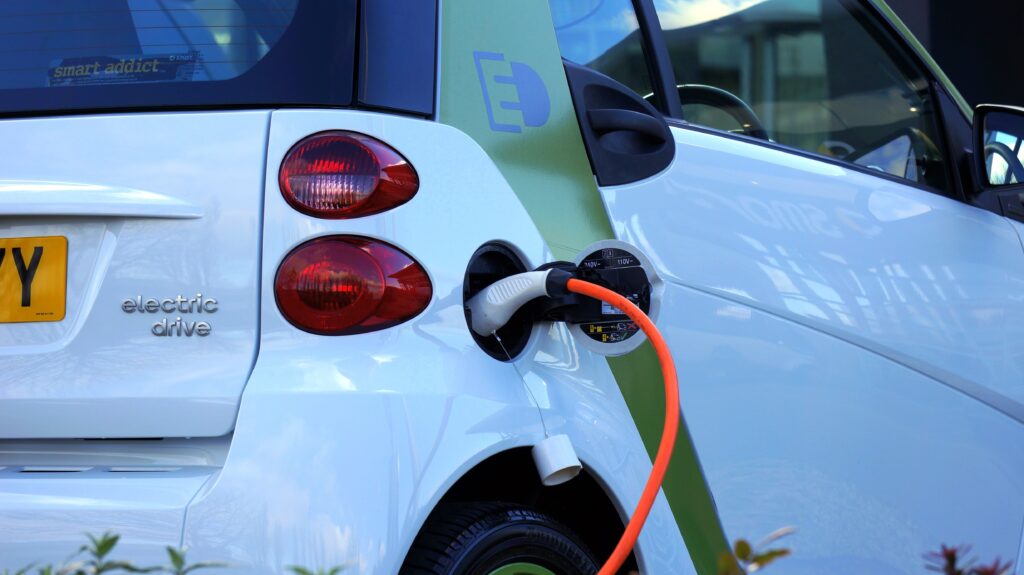
Electrification involves the transition from fossil energy sources (oil, gas, and coal) to electricity, sourced from renewable energy such as wind, solar, hydro, and geothermal. This shift reshapes the way certain daily tasks are performed, like heating our homes or refueling our vehicles. Consequently, electrification aims to achieve clear objectives: decarbonizing the economy, mitigating pollution, and enhancing the efficiency of the transportation industry. While this process indeed offers numerous benefits, there are also economic sectors that could experience effects. We explore the advantages and disadvantages of this transition How will electrification impact the economy? The announcements made by the Spanish government regarding the prohibition of combustion engine car sales starting from the year 2040 have sparked significant concern across various sectors of both industry and society. In fact, the existence of a working document being considered by the European Commission, outlining the decarbonization of the economy and consequently the transportation sector by the year 2050, underscores the imminent nature of the end of combustion vehicle sales. Impact on employment Another concern related to electrification is how employment opportunities might be affected. Indeed, the structure of an electric car is less intricate than that of a combustion engine car. It contains around 40% fewer components, leading to a reduced need for labor in its manufacturing (working hours decrease by 25%). Likewise, gas stations are poised to undergo significant changes. The shift will move from a refueling model to predominantly home-based charging, rendering gas stations as facilities primarily used for long-distance travel refueling stops. Key aspects for electrification However, for electrification to become a reality, there are several crucial points that we will now analyze. These include: Raw material disposition One of the key points is secure access to the raw materials necessary for component development and battery manufacturing. In this context, China stands as the primary supplier of these materials, followed by Brazil, the United States, Russia, and finally South Africa. For this to be feasible, the EU must support the flow of these materials and prevent disruptions in the supply chain. Similarly, it should endorse the development of technological measures aimed at minimizing dependency on these sources. Battery manufacturing Electrification isn’t feasible without batteries, which serve as the cornerstone in electric vehicles. The battery market is dominated by Asian countries, notably China, contributing to 80% of its production, compared to a mere 3% in European countries. Currently, the European industry aims to lead in the next-generation battery technology, supported by the European Commission and national strategies. This signifies a significant advancement, particularly in logistics, primarily due to the substantial weight of batteries, which poses challenges in their transportation to vehicle assembly factories. Workforce training Lastly, and by no means less important, human capital plays a crucial role in the development of the automotive industry. This is why it’s essential to adjust vocational and university education to cultivate skilled individuals capable of tackling the emerging challenges within the industry. R+D+i The automotive industry invests over 4% of its revenue in research, development, and innovation. This commitment must be sustained and even increased to stay competitive in the coming years within a new landscape. This approach will enable the attainment of novel technological solutions in electrification, connectivity, and automotive advancements. In line with this, at Walter Pack, we manufacture products for the automotive sector utilizing the latest technological advancements, a result of our R&D efforts. This empowers us to provide our customers with top-tier components that set trends in the industry.