
What is Plastronics?
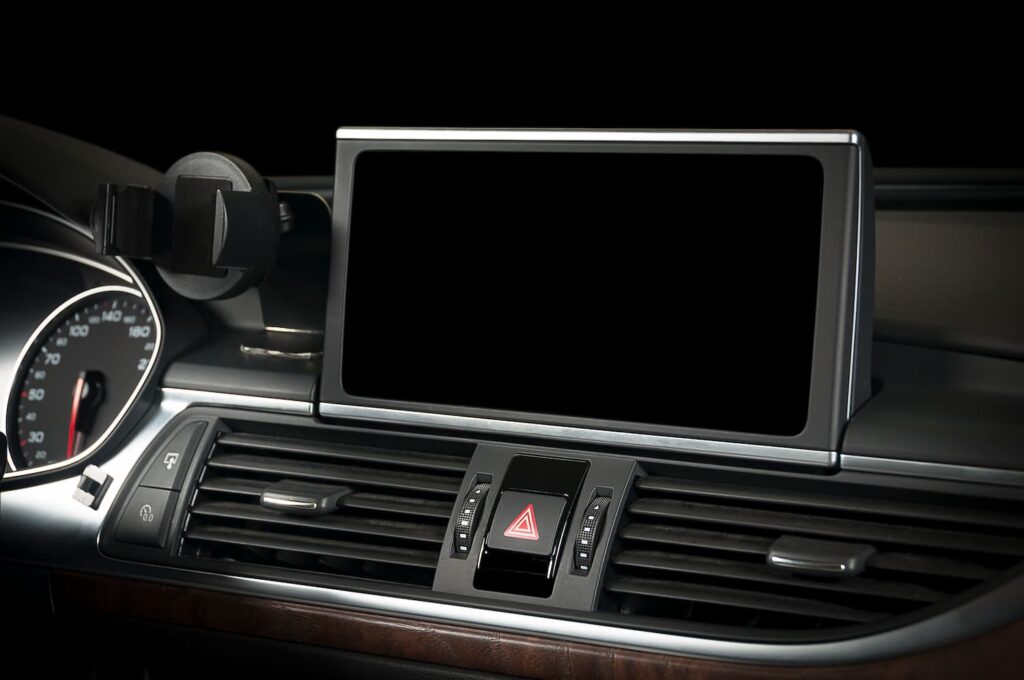
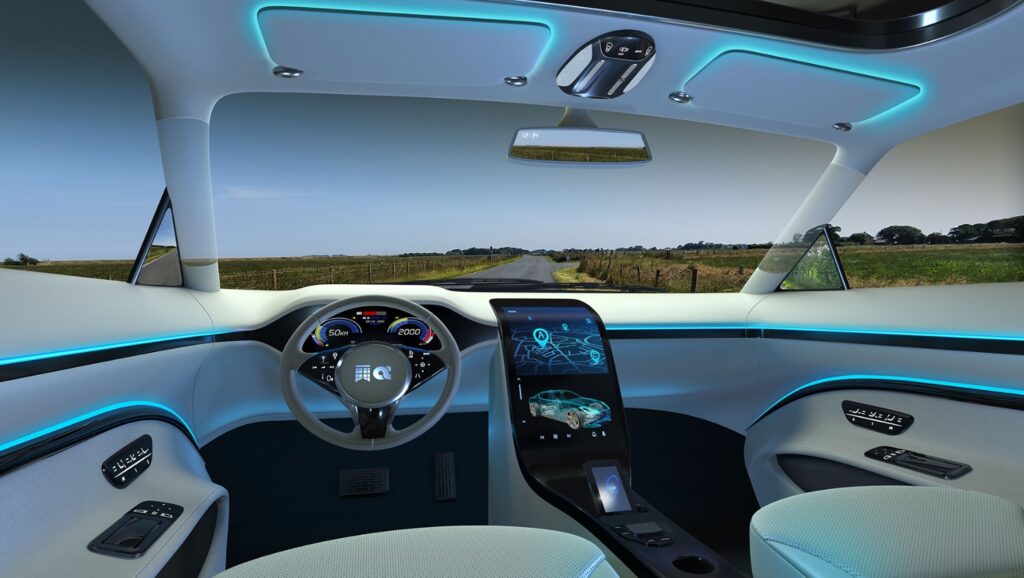
Plastronics is a technology that combines plastics and electronics to create lighter, flexible, and durable devices. It integrates electronic circuits into plastic materials to manufacture products that can bend and adapt to different forms of use. Today, as specialists in the plastics sector, we want to tell you all about this novel technology. Don’t miss it! Introduction to Plastronics Plastronics improves productivity in various sectors by combining the mechanical properties of polymers with the capabilities of electronics. This emerging field offers lighter, flexible, and cost-effective solutions and provides a shift in the way electronic devices are manufactured. It has started gaining traction in recent years thanks to interdisciplinary collaboration between scientists, engineers, and plastic manufacturers. Advances in techniques such as printed electronics and the integration of electronic components during plastic molding (known as IME) have contributed to the development of this production method. The initial focus was to simplify the manufacturing of electronic devices. As materials were refined, applications were found for all kinds of sectors, such as automotive, medicine, aerospace, packaging, and more. Key Technologies in Plastronics Plastronics relies on several technologies that, combined, facilitate the creation of “plastronic devices.” Flexible Electronics Flexible electronics is one of the main technologies employed. It is based on building electronic components on flexible materials, such as plastics, which can bend and stretch without losing their characteristics. This is achieved through the use of materials like graphene, carbon nanotubes, and conductive polymers, which maintain their conductivity even when deformed. In-Mould Electronics (IME) The integration of electronic components in molding processes (IME) allows the integration of electronic circuits during the production process of plastic parts. Through this method, electronic components are placed inside the mold and encapsulated in plastic, creating an integrated electronic structure. This technique reduces the weight and volume of the final product. Synthesis of Conductive Polymers The synthesis of conductive polymers facilitates the creation of plastics that can conduct electricity. These polymers, such as polyaniline and poly(3,4-ethylenedioxythiophene) (PEDOT), are widely used to manufacture flexible and durable components. The ability of these materials to conduct electricity while maintaining their plastic properties makes them perfect for plastronic applications. Applications of Plastronics This innovative technology has a multitude of practical applications in various industrial sectors. It opens up new possibilities for design and use that were previously unimaginable. In the automotive sector, it allows the integration of sensors and electronic circuits directly into the plastic parts of vehicles. This reduces the weight of cars and contributes to lower fuel consumption and CO2 emissions. Control panels, for example, can be manufactured with smart plastics that incorporate touch controls. In the consumer electronics field, plastronics is used to create lighter, flexible, and more durable devices. Smartphones and tablets benefit from flexible screens because they are less likely to break, and wearables, such as smartwatches and fitness bands, are being designed to be more comfortable and adaptable to the user’s body. The medical sector is another area enhanced by this technology. Smart bandages, for example, can continuously monitor wound conditions and send real-time data to hospitals. It is also possible to create medical implants that better adapt to the human body, reducing the risk of rejection. In the aerospace and aeronautics industry, weight reduction is key. The integration of electronic components into plastic materials reduces the weight of aircraft and increases the resilience of electronic systems to space conditions. There are also sensors integrated into aircraft structures that provide data for predictive maintenance. Finally, in the packaging and smart packaging field, it allows the creation of packages that can interact with the consumer and provide real-time information on the product’s condition. This is widely used in the food and pharmaceutical industries, where precise monitoring ensures the quality of supplies. Advantages of Plastronics The multiple advantages of plastronics position it as a technology to watch in the coming years. It improves the efficiency of electronic devices and facilitates the creation of lightweight products. Some of the benefits it brings include: Weight reduction and energy savings. By integrating electronic circuits directly into plastic components, many additional connections that typically add weight to devices are eliminated. This translates into significant energy savings for various industries, as lighter devices require less energy to operate. Flexibility and durability. Plastronic devices can bend and stretch without losing functionality, opening up possibilities for new applications. This flexibility goes hand in hand with greater durability, as electronic components integrated into plastics are better protected against mechanical wear and environmental damage. Reduced production costs. This technology simplifies manufacturing processes by reducing the number of steps and components needed. Conductive polymers and flexible plastics are generally cheaper than traditional materials used in conventional electronics. It represents a significant advancement in a wide range of industrial fields. By combining the mechanical properties of plastics with the characteristics of electronic circuits, this technology offers innovative solutions for countless practical uses. Many industries, such as automotive, medicine, and packaging, are benefiting from this new way of interacting in manufacturing. Although it has not yet fully exploited its potential, as it is still in development, it promises to continue offering innovations that will transform our lives. To stay up to date with the latest news in the plastic world, we invite you to visit the Walterpack blog. Stay informed about the future and the present! Frequently Asked Questions About Plastronics 1. What is plastronics? Plastronics is a technology that combines plastics and electronics to create lighter, flexible, and durable devices. It integrates electronic circuits into plastic materials to manufacture products that can bend and adapt to different forms of use. 2. What are the key technologies in plastronics? The key technologies in plastronics include flexible electronics, the integration of electronic components in molding processes (IME), and the synthesis of conductive polymers. These technologies enable the creation of plastronic devices that are lightweight, flexible, and electrically conductive. 3. What are the applications of plastronics in different sectors? Plastronics has applications in various sectors such as automotive, consumer electronics, medicine, aerospace
How is thermoforming done?
Thermoforming is a manufacturing process used in various industries to create plastic products. We are Walterpack, a company specializing in decorative and industrial plastic manufacturing, and today we want to explain this technique in detail. Keep reading! Definition and Basic Principles of Thermoforming Thermoforming is a manufacturing process in which a plastic sheet is heated until it becomes malleable and conforms to the shape of a specific mold. This method allows the production of a wide variety of products, ranging from disposable packaging to industrial components. During the process, the heated plastic is shaped by applying pressure or vacuum, and once it cools down, it retains the mold’s shape. The basic principles of this procedure are heat control to heat the plastic sheet to the appropriate temperature, use of pressure or vacuum to mold the material, and uniform cooling to ensure the thermoformed plastic maintains its shape. Materials Used in Thermoforming The choice of material determines the final properties of the product. Here, we detail the most common types of plastics for this process. Common Types of Plastics in Thermoforming Polypropylene (PP): a lightweight material with good chemical resistance. Used for products requiring durability and impact resistance, such as packaging, trays, and automotive components. Polystyrene (PS): features rigidity and malleability. Employed in the manufacture of disposable packaging, food trays, and electronic products due to its ability to mold into detailed shapes and its low cost. Polyethylene Terephthalate (PET): a clear, strong, and recyclable material, perfect for transparent applications. Found in bottles, food packaging, and medical products. Low-Density Polyethylene (LDPE): flexible and moisture-resistant, making it suitable for applications like bags, plastic sheets, and coatings. Easily moldable and relatively low-cost. High-Density Polyethylene (HDPE): more rigid and durable than LDPE, suitable for products requiring greater durability, such as containers, caps, and toys. Widely used in industrial applications for its chemical resistance. Polyvinyl Chloride (PVC): a versatile material used in numerous applications, such as medical products and construction components. Can be formulated in various degrees of rigidity and flexibility. Acrylonitrile Butadiene Styrene (ABS): impact-resistant and with good dimensional stability. Used in the manufacture of electronic housings, automotive parts, and toys due to its durability. Polycarbonate (PC): a strong and transparent plastic with optical clarity. Common in the manufacture of lenses, optical discs, and safety components. Thermoforming Process The thermoforming process is divided into a series of sequential stages that transform a plastic sheet into a finished product. Material Preparation: the plastic sheet is cut to the appropriate size and prepared for heating. This preparation includes cleaning to ensure there are no contaminants. Heating: the sheet is heated using ovens or infrared heaters until it reaches the thermoforming temperature. The heating time and temperature vary depending on the type of material and the thickness of the sheet. Forming: the heated sheet is placed over the mold inside the thermoformer. Depending on the type of mold and equipment, pressure or vacuum can be applied to shape the plastic to the mold. In the vacuum method, air is sucked out between the sheet and the mold. In the pressure method, compressed air is used to push the sheet against the mold. Cooling: the formed piece is allowed to cool to maintain its shape. The cooling must be uniform to avoid deformations and internal stresses in the piece. Demolding: once cooled, the piece is removed from the mold and inspected for quality. This step includes trimming edges and removing burrs if necessary. Finishing: some pieces require additional operations such as trimming, drilling, or assembly to complete the final product. Types of Thermoformed Products Thermoforming allows the manufacturing of a wide range of products, such as: Food and Beverage Packaging: containers for prepared meals, trays for meat and fruit, packaging for dairy products and beverages. Blister and Pharmaceutical Packaging: protective packaging for medications to ensure their integrity. Automotive Components: door panels, instrument panels, roof linings. Appliance Parts: parts for refrigerators, washing machines, and other appliances. Consumer Goods: toys, molded parts, presentation packaging. Construction Applications: wall coverings, ceilings, floors, control panels. Benefits of Thermoforming This manufacturing method offers numerous benefits that make it a great option: Cost Efficiency: a more economical technique compared to other molding methods due to better tooling and mold costs. Production Speed: allows rapid production of large volumes of parts. Design Flexibility: designs with detailed features can be easily created. Versatility: suitable for a wide variety of materials. Waste Reduction: leftover material can be recycled and reused. Take advantage of the potential of thermoforming in your projects. Contact Walterpack and discover how we can help you create exceptional products. Frequently Asked Questions about Thermoforming You have now learned about the thermoforming process, its applications, and the materials used. Now, let’s answer some of the most common questions about this technique. What is the difference between thermoforming and thermoconforming? Both terms are used to refer to the same process, but technically there is a difference. Thermoforming refers to the process of heating a plastic sheet and forming a piece using a mold, while thermoconforming involves a similar technique but may include additional processes such as the use of positive or negative pressure to shape the material. However, in practice, both words are used to describe the same plastic forming process. What are the most recommended materials for thermoforming? The most recommended materials for thermoforming are polystyrene (PS) and polyethylene terephthalate (PET). PS is ideal for its rigidity and ease of forming, making it perfect for disposable packaging and electronic products. PET, on the other hand, is commonly used for transparent and recyclable packaging, such as bottles and food containers, due to its clear properties. Which industries use thermoforming the most? The industries that use this technique the most are: Food Industry: for the production of packaging and trays. Medical Industry: for manufacturing blisters and medical device packaging. Automotive Industry: for the production of interior and exterior vehicle components. Electronics Industry: for producing housings and components. Toy Industry: for creating toys and related parts. What are the
Walter Pack Drives Success in European TREASURE Project
The TREASURE Project is a multinational initiative that promotes the circular economy in the automotive industry. Walter Pack has developed a plastronics demonstrator for the recovery and reuse of materials. In a demonstration of commitment to sustainability and innovation, Walter Pack has played a crucial role in the success of the TREASURE Project, a multinational initiative that promotes the circular economy in the automotive industry. This project, co-financed by the European Commission under the H2020 program, aims to transform the automotive supply chain towards a more circular and sustainable future. Innovation in Plastronics for the Circular Economy Walter Pack has developed a plastronics demonstrator that allows the recovery and reuse of materials such as plastics and silver inks. This innovation represents an alternative to traditional components, highlighting the feasibility of applying the circular economy in the automotive sector. Laura Del Hoyo, head of R&D at Walter Pack, expressed her satisfaction: “We are very proud of our contribution to the TREASURE project. This collaborative effort has not only demonstrated the feasibility of applying the circular economy paradigm in the automotive sector but has also laid the foundation for future innovations.” Comprehensive Collaboration for Sustainability A crucial aspect of the TREASURE Project has been the collaboration between different levels of suppliers (tier 1, 2, and 3) and original equipment manufacturers (OEMs) such as SEAT, who have actively participated in the initiative. This type of cooperation is essential to achieving a circular economy in the automotive industry, where all actors must row in the same direction to achieve significant impact. SEAT’s participation underlines the importance of this synergy between suppliers and OEMs to effectively implement sustainable practices. Key Results of the TREASURE Project At the last review meeting, Vessela Stoyanova-Monteleone, from the European Research Executive Agency (REA), praised the successful final results of the project. Among the most notable achievements is the development of an artificial intelligence (AI)-based tool for the analysis and comparison of potential circular supply chains. This tool has been essential in evaluating new opportunities in the management of end-of-life vehicles (ELVs), demonstrating success cases in collaboration with car dismantlers, scrap shredding plants, recycling plants, and vehicle manufacturers. International Consortium and Multinational Collaboration The TREASURE project has brought together 15 partners from six European and one non-European nations, coordinated by the Politecnico di Milano. This consortium includes research centers, universities, recycling companies, car manufacturers, and software developers, all working together to achieve the project’s ambitious goals. The focus has been to ensure sustainable use of raw materials in the automotive sector, reduce material supply risks, and improve economic, environmental, and social outcomes for all end users. Towards a Circular Future in the Automotive Industry The success of the TREASURE Project marks a significant milestone in the transition towards a circular economy in the automotive industry. With innovations like Walter Pack’s plastronics demonstrator and the AI tool for supply chain analysis, the project has shown that it is possible and beneficial to adopt sustainable practices in the sector.
Four Perspectives to Celebrate and Advocate for Women in Engineering Day
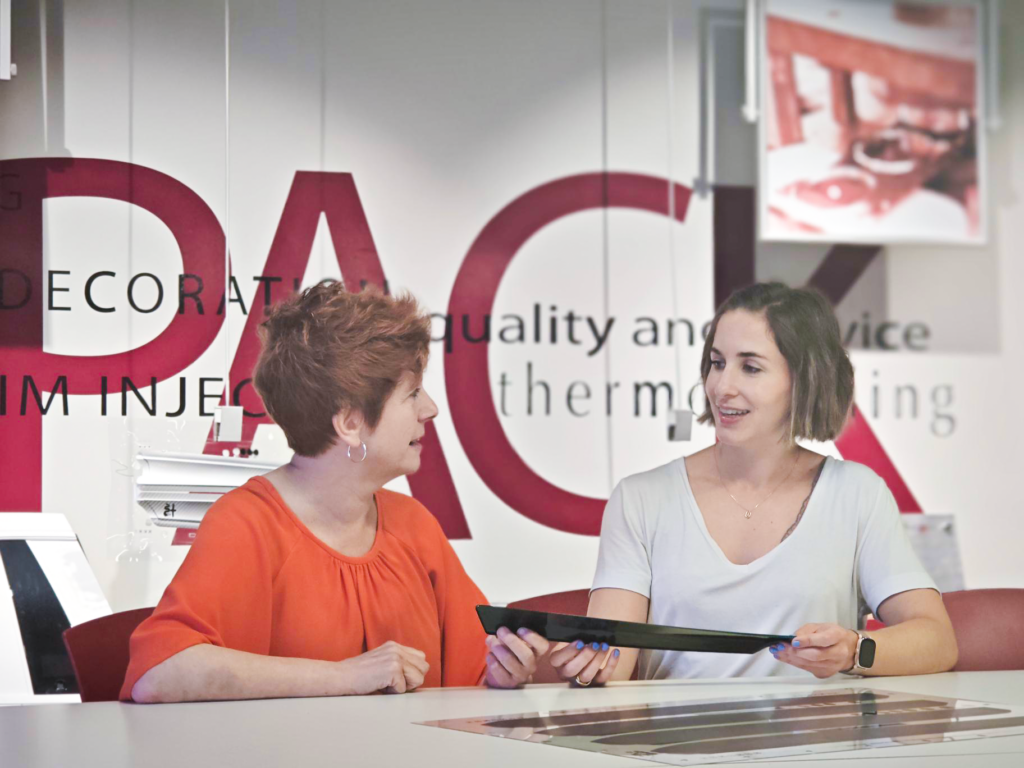
Four Perspectives to Celebrate and Advocate for Women in Engineering Day Four Perspectives to Celebrate and Advocate for Women in Engineering Day Their sense of order, logic, method, and organization… Within a few minutes of chatting, the typical topics of Engineering emerge, and Belén Bogarín, Martha Melo, Amaia Torrontegi, and Laura Del Hoyo take them with the intelligent humor of those who recognize themselves in them. All four are women engineers, and although with nuances, they have always had a clear vocation since they were very young. Each has experienced a different professional trajectory, but all four are proud of their education and work, and they are eagerly looking forward to celebrating International Women in Engineering Day on June 23. Amaia, Belén, Martha, and Laura have responded with laughter and humor, but also with a critical spirit, to several questions that show their vocation and the clarity with which they advocate for the presence of women in the world of Engineering. Q. How and when did you realize that becoming an engineer was a realistic and attractive option for you? A. Belén Bogarín (Barcelona). ): I always wanted to be a doctor since I was very little, but when I entered high school and started going to the lab, everything seemed super interesting: converting things, doing experiments… I was fascinated by the reactions and wondered why these things happened; I wanted to understand why they occurred. At that moment, my curiosity began to grow, and by the time I went to university, I had decided I wanted to be an engineer, specifically in Petroleum Engineering, a very specific specialty in Venezuela. “Initially, I wanted to be a Petroleum Engineer, but then I shifted to Chemical Engineering.” The petroleum world was booming at that time; there were a lot of oil companies, and this specialty was very accessible. But when I started my Petroleum Engineering degree, I quickly shifted to Chemical Engineering because I realized I could carry out any material transformation process, be it oil, food, cosmetics, or anything else. Additionally, my father was an agronomist, and although I am not conscious of his influence, it was something always present in my home. A. Laura del Hoyo (Igorre). I always had a strong study capacity in school, and Engineering was one of the most demanding degrees. So, on one hand, I saw that I had the ability to do it, and on the other, I chose Chemical Engineering because I love chemistry and pure Science degrees had very few job opportunities at that time. It was a very rational decision. “I am very structured, analytical, and do things step by step; all of this shows what engineers are like.” Over time, I realized that I am very methodical, structured, and analytical, doing things step by step, which ultimately shows what engineers are like or how I was then. There were no family precedents in engineering, and my parents always encouraged me to pursue a university degree, with Engineering being a better option. Since my teenage years, I always saw myself in the industry, in chemical process design, and I was very interested in oil refineries. A. Martha Melo (Barcelona). Since I was little, I spent my time doing small jobs around the house, organizing things… when an appliance broke, I would immediately disassemble and try to fix it: the radio, the fan… And when it came time to go to university, although I wanted to study Engineering, in Colombia, they were all private. “I did a year of Dietetics and Nutrition because Engineering was private and I didn’t want to burden my aunt with whom I lived.”” And since I was raised by my aunt and not my mother, going to university was a significant financial burden that I didn’t want her to bear, so I started studying Nutrition and Dietetics. I did a year of Nutrition and Dietetics, but then public faculties for Industrial, Agronomic, and Mechanical Engineering opened. I saw the opportunity and switched to Industrial Engineering. A. Amaia Torrontegi. My perception was very similar to Laura’s regarding study capacity. Besides, I studied in a mixed school with 80% boys, and the go-to career path for good students was Engineering; it was very well regarded. When I studied Engineering at San Mamés (EHU-UPV Bilbao), it was a six-year degree and very tough, much harder than current degrees. It required perseverance and responsibility. “Engineering was a challenge because all the good students went for it. Why not? I’ll give it a try. And here I am.” My choice was partly because I was a good student and partly a challenge: if boys were going into this technical field and I liked math and sciences, why not? I’ll give it a try. And here I am. When I started, most of the students were boys, about 90%, and some professors would make jokes at the expense of the girls, like calling us to the blackboard if we wore miniskirts. There were moments when they made you feel like you were just filler. Initially, I leaned towards electrical engineering, but I soon realized I wasn’t as technically inclined as others, so I opted for Industrial Organization. When I retire, I might revisit electrical engineering. Q. Can you share a memory or anecdote that illustrates your passion for Engineering? A. Belén Bogarín (Barcelona). I have always been very meticulous with expenses, keeping a strict Excel sheet, especially at the beginning of my relationship. My husband was amazed and would ask, “Do we have to go to this extent?” And I’d say, “Yes, we need to account for everything.” At home, I manage the finances because I’m very organized; otherwise, we wouldn’t know what’s going on and might miss important things. (Laughter). For example, last year, when enrolling the kids in a summer camp, other parents didn’t know the pick-up times, costs, or meal arrangements… I said, “Give me five minutes. Here are the schedules, pick-up times, meals… everything.” They were amazed.
Interview with Belén Bogarín & Marc Zorrilla
“Por mucho que se inculquen valores de igualdad en la escuela, si en casa no se apoyan es posible que el alumnado los abandone”
Entrevista a Begisare NER
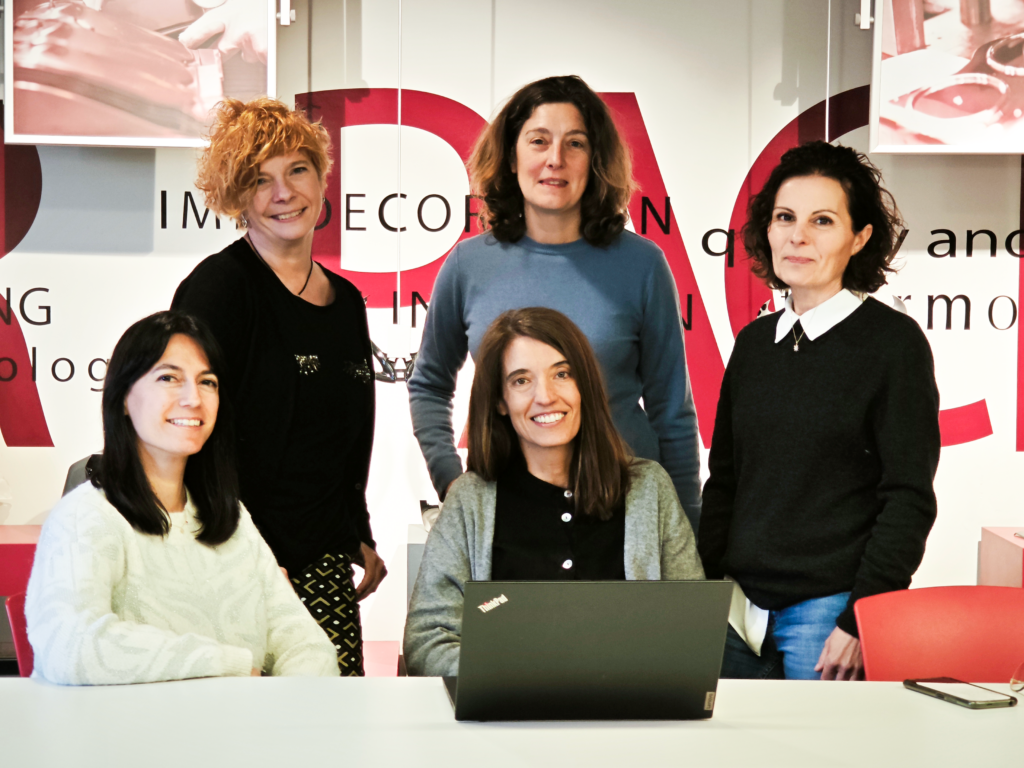
Interview with Marisol Gago Logistics Leader & María Torre Sales Engineer “It’s shocking to hear how each activity that a person has to stop doing due to retinal dystrophy represents a grieving process for them” Losing the sense of sight after having enjoyed it for years is a very tough experience that most of society is hardly aware of. Around us, there are dozens of people with hereditary retinal dystrophies who have to make real efforts to go out every day and continue their lives almost in the shadows. To support these people, a group of volunteers from Walter Pack participates in an initiative of Ner Group aimed at promoting personal autonomy and encouraging others to leave their homes with volunteers who contribute to their safety. Two of them, Marisol Gago and María Torre, share their experience along with Irene Dalmau, leader of the Society Commitment area at Walter Pack. Q. A. Were you aware of hereditary retinal dystrophies? Had you had any previous contact with these diseases? Marisol Gago. I was aware of degenerative glaucoma because of my father, who has had vision problems in recent years. That’s why I was drawn to this initiative due to the problems it caused him due to the dependence he had on my mother… I thought this experience could serve to accompany both the person suffering from the disease and those who have to give up many things to help them. That made me interested in the project. María Torre. I had also heard of this disease through someone I knew who had early-stage glaucoma and other types of degenerative diseases from birth, but no case as close as Marisol’s. “I thought this experience could serve to accompany both the person suffering from the disease and those who have to give up many things to help them” Marisol Gago Q. A. In total, there are five women from Walter Pack participating in this initiative along with Irene Dalmau, Amaia Torrontegi, and Inés González. What motivated you to get involved? Marisol G.I’ve always been willing to participate in these types of initiatives. When various proposals were presented at Walter Pack, I was eager to join one, and this seemed like the one I could contribute to the most. María T. I also felt that this was the experience in which I could give the most and which could contribute the most to me. Last year we participated in other experiences, but this one seemed very appealing. Q. A. Q. A. What exactly does it involve? Marisol G.This initiative has two groups, one that goes on Wednesdays and another on Fridays. I have been participating in the latter since January, and it consists of accompanying a person with limited vision to a center so they can participate in various activities. I meet with her at her house, and we go together to the center, and when it ends, if she hasn’t organized with other people from the center to return, I accompany her back home. María T. In our group, there are two volunteer people from different companies of the Ner Group who accompany the patients on Wednesday afternoons since last December 20. One or two days before, we organize to decide who accompanies each person to the center they attend to receive dance classes. And at the end of the classes, sometimes a relative picks them up, and other times we accompany them to their home or to a subway stop. Over this time, have you established connections with these people, do they share their feelings with you? Marisol G. This initiative is long-term, and I still have little time, but the person I accompany is charming, super open, and very pleasant, and she tells me about all the difficulties she has suffered since she was little. María T. So far, I have only accompanied two people on four occasions, and both are charming and very special. They explain to you what their disease is, how it affects their life, how their family relationships develop… it’s a very interesting experience. There are many variables of these diseases: there are times when several people who only have 30% vision have it distributed differently, so one can see the ground, another in front, etc. They are people who are very spirited, who have gained a lot of confidence in themselves because they have been living with the disease for years, and who help you a lot. “They explain to you what their disease is, how it affects their life, how their family relationships develop… it’s a very interesting experience” María Torre Q. A. What has struck you the most about this experience? Marisol G. What struck me the most is that there are people who do not see but have no physical trait that reveals it. We tend to think that blind people have a certain eye tone or dark glasses… but not here. The day we arrived; we were chatting with a person from Begisare without realizing that she was a person with very low vision. This also complicates their day-to-day life and having knowledge of that struck me. María T. Yes, that absence of physical traits that are stereotypes have even led them to hear comments on occasion that cast doubt on their vision problems, even despite seeing them with a cane. This does not happen when people see that, in addition to carrying a cane, they are accompanied: that’s when they react, step aside, and try not to obstruct. Irene Dalmau. Personally, what struck me the most was when the person Marisol mentioned explained to us that each activity she had to stop doing represented a grieving process for her. Stopping working, driving… those words suddenly brought me closer to her reality. And the person I accompanied once told me that for her, going out of the house was a triumph, and she did it because she had to continue with her life. Hearing them speak in these terms is shocking.
HMI Touch Control Panels: The Latest Advance in the Automotive Industry
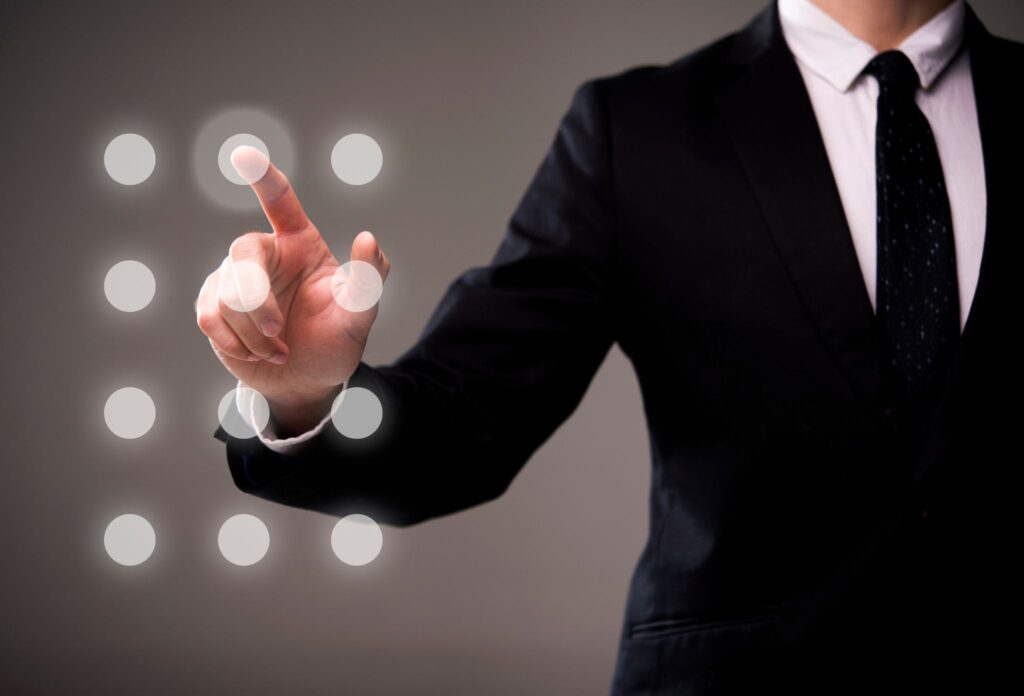
The automotive industry has undergone remarkable changes in recent years, and one of the latest advancements revolutionizing the sector is the introduction of HMI touch panels. These devices stand out for their intuitiveness for users and for offering an efficient interface that facilitates interaction. At Walter Pack, as experts in the production of decorative parts for different industrial sectors, we have created this article to delve into detail about this innovative technology and how you can incorporate it into all types of machines. The automotive industry has witnessed remarkable changes in recent years, and one of the latest advancements revolutionizing the sector is the introduction of HMI touch control panels. These devices stand out for their user-friendly design and provide an efficient interface for easy interaction. Benefits of Intuitive Control Panels: Error Minimization: The intuitive interface minimizes potential errors during complex operations, improving accuracy and precision when operating machinery. Easy Adaptation: The user-friendly nature of these devices allows operators to learn the interface quickly, facilitating integration into the work environment. Customization: Operators can adapt the control commands to their individual needs and preferences, further enhancing usability. Versatile Applications in Machinery HMI touch controls are versatile tools that can be adapted to various applications in industrial machinery. They allow operators to perform precise operations and monitor them effortlessly. Key Features of HMI Touch Controls: Real-time Monitoring: These panels enable operators to perform various operations in real time, as they are optimized to respond to critical variables in industrial machinery. Parameter Control: Touch controls allow precise and straightforward adjustment of various parameters related to the machinery in use, enhancing operational efficiency and reducing time spent on each task. Universal Compatibility: A significant advantage of these devices is their adaptability to a wide range of industrial machines, providing a comprehensive solution for various sectors. Mobile HMI for Flexible Control HMI controls can also be used on mobile devices, offering supervisors and operators the freedom and flexibility to work quickly and comfortably. Benefits of Mobile HMI: Remote Access: This technology significantly enhances the experience for operators, allowing them to control machinery operations from any location, eliminating the need to be physically present at the worksite. Instant Alerts: In the event of an error, mobile HMI devices send real-time notifications to supervisors, enabling them to respond promptly to critical situations. Intuitive Interface: Similar to the main controls, the interface on mobile devices displays each parameter in a similar manner, facilitating the learning curve and helping operators understand the platform better. IIoT Connectivity for Enhanced Data and Security IIoT connectivity refers to the Industrial Internet of Things and its practical application in work environments and machinery. This type of connectivity is present in various accessories and applications, such as HMI touch control panels, which have become an essential part of many companies due to their ease of use and accessibility. Key Features of IIoT Connectivity: Data Integration: IIoT systems present in touch control panels allow for the collection of all types of data and real-time analysis. Advanced Security: These systems are characterized by advanced security systems to protect sensitive company data and safeguard the integrity of the incorporated systems. Energy Efficiency: IIoT connectivity allows company operators to maintain precise control over energy consumption, enabling the development of useful strategies for achieving greater sustainability. Frequently Asked Questions What does HMI stand for? HMI stands for Human-Machine Interface. In the industrial automation world, it refers to touch control panels that operate directly with the company’s machines, facilitating monitoring and control by the operators working with them. What are the practical applications of HMI touch control panels? HMI touch control panels can be used to adjust various machinery parameters with precision, enabling real-time analysis and monitoring. Additionally, these systems can be adapted to a wide range of industrial machines.
Walter Pack Mexico successfully renews its MDA certification
For the second time, Walter Pack renews its MDA certification, solidifying its leadership in quality and process control. The Mexico plant was the first to achieve MDA certification in 2020.
La planta de Walter Pack en México fue la primera en obtener la certificación MDA en 2020.
Artificial Intelligence and Design: Keys to the Smart Home revolution
Artificial Intelligence has seamlessly integrated into homes to enhance the ongoing revolution of smart home technology
Walter Pack joins automotive leaders to analyze industry challenges
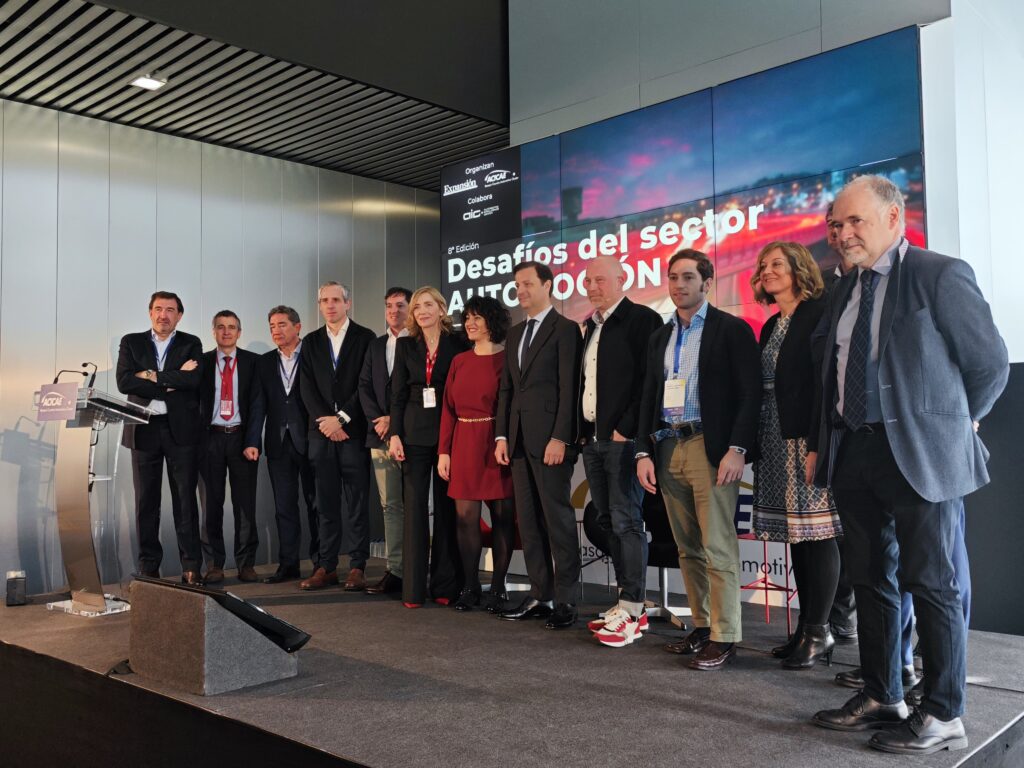
Electrification, autonomous driving, connectivity, sustainability, Asian competition… The automotive industry is undergoing a profound transformation process marked by technological, environmental, and even geopolitical challenges.