
Plastic thermoforming and its application in industrial packaging
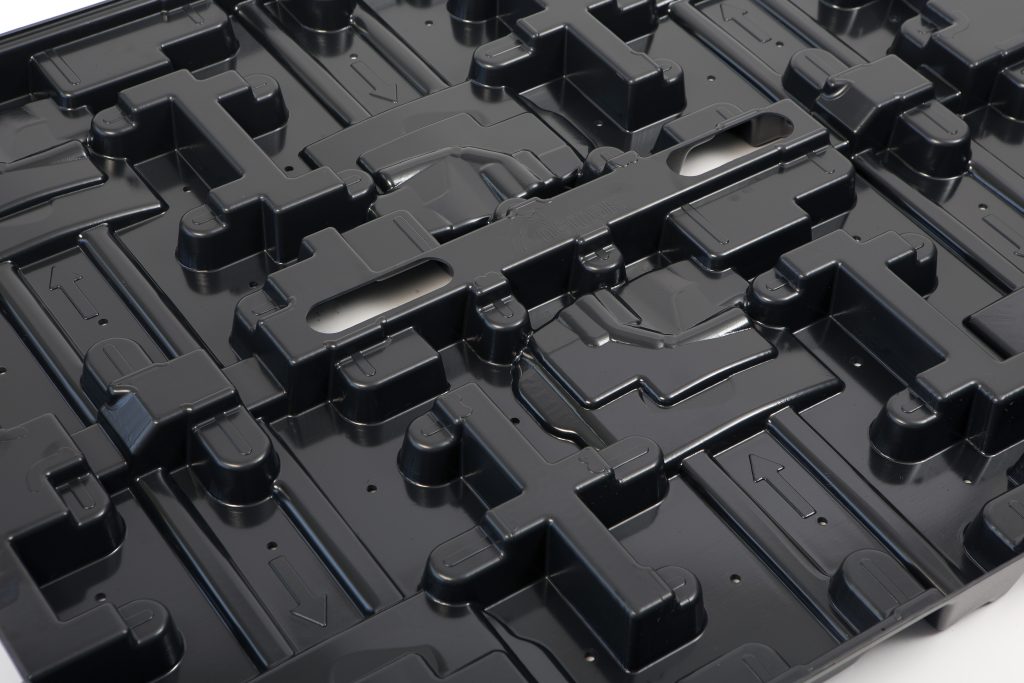
One of the most versatile modeling techniques is thermoforming, thanks to which it is possible to manufacture countless products, including packaging. This process consists of different phases and offers great advantages, the most important of which is that this method can be adapted to the needs of customers. In the following, we will explain what thermoforming is, what it is used for, the benefits of this technique and much more interesting information about this method. What is thermoforming? Thermoforming is a process in which a PET or PVC plastic sheet is heated using a radiator and then molded. Once the sheet is hot, it is placed on top of a mold that can be made of different materials such as aluminum, wood or plastic, until the desired shape is obtained. Subsequently, it undergoes a die-cutting process to separate the different containers or products. What types of thermoforming exist? Vacuum thermoforming Heat and pressure are used to shape the plastic sheets. When the material enters the mold, a vacuum is used to generate a vacuum, producing high pressure so that the plastic can be molded. Pressure thermoforming It is similar to vacuum thermoforming. The only difference is that a piston helps to create higher pressure, due to which it is possible to make products with more precise characteristics and in the shortest possible time. Thermoforming by blow molding In this technique, no molds are needed to shape the hot plastic. Compressed air is used between a chamber and the sheet to obtain a bubble that is cooled until the part is rigid and the final product is obtained. Mechanical thermoforming Direct mechanical force is used in order to give the preheated plastic sheet the desired shape. The core pushes the material until the die shape is achieved. It is mostly used when a high level of precision and detail is required on the part. Thermoforming by distension Hot plastic foil covers the mandrel with specific patterns that are etched into the plastic. It is one of the most affordable techniques, as it does not require much material. The thickness is maintained and there are no weaknesses in the parts. Thermoforming by stamping with mold and counter-mold This process is used to make high precision objects. A male and female mold is used to shape the heated sheet. For stamping, a machine is used that applies force to compress the material, which acquires the pattern that has been designed between the molds. Thermoforming of twin sheets Two layers are molded and combined into a single object. This is the best procedure for creating hollow and double-walled products. What is thermoforming used for? The main application of plastics thermoforming is for the manufacture of packaging used in different fields of industry, for example, blister packs for medicines or food trays. However, it is also well known in the automotive sector, since it is possible to manufacture plastic parts for cars with this technique, as well as being used in the household appliance industry to produce household items. It is also used to manufacture prototypes, making a minimum investment and the best thing is that you can get a true copy of the model. Thanks to this, it is possible to work and make modifications, without the need to spend large amounts of money in the elaboration of molds. What type of material is used for thermoforming? With thermoforming it is possible to use different types of materials, mainly those called thermoplastics. They are so called because their flexibility increases at high temperatures, but when they cool down they harden, still retaining some of their elasticity. They include PET, PETG, PS, HDPE, ABS and PVC. In some cases, other materials are added to achieve different finishes, such as aluminum in the case of blister packs. Biodegradable materials such as PLA are also added, although the process is more difficult with them. This is because they do not have the same properties as thermoplastics, so their cost can be up to ten times higher than the plastic version. What are the advantages of thermoforming? This technique offers many advantages, the most important of which are: The cost of the machinery and technology is lower. It is much more suitable for manufacturing high volumes of parts. Products made by thermoforming are lighter and thinner than those produced by injection molding. The process is much faster, so parts can be produced in a short time. The procedure for making thermoforming molds is less rigorous, so the cost is much lower. It is possible to make changes without altering the precision. Several products can be produced using a single mold. This technique is suitable for the manufacture of prototypes. Thermoforming is part of the services we offer at Walter Pack, where we use high and low pressure automatic lines to modify materials such as ABS, PC, PA, among others.
NER Group and Walter Pack join forces in a reforestation project in Mallabia

On February 12th Walter Pack and the organizations that are part of the NER Group took another step forward in favor of environmental sustainability and care for our environment. Around 60 volunteers from NER Group took advantage of the celebration of the Zuhaitz Eguna to repopulate an old pine forest in Mallabia with native trees and with the same determination: “Today we are going to take care of our home”. New trees for a new beginning In total, the participants planted 365 seedlings of different species, including oak, birch, chestnut, pear, apple, hazel and yew trees. With this initiative, Walter Pack and the other organizations have replanted different forest areas with a total of 4,870 trees in recent years, thus contributing to one of NER Group’s objectives: to be useful to society and to implement projects committed to the environment. NER Group’s commitments This project is part of a long series of initiatives in which NER Group has been working for several years as a result of its commitment to fair and sustainable human development. These activities are part of six different areas, in which, in addition to the commitment to Sustainability and the Environment, are Education and the Transmission of Values; Awareness, Human Rights and Projects in other continents; Health; People at Risk of Social Exclusion, and Intellectual and Functional Disability. The initiative of the past 12th counted with the participation of the Lurgaia Foundation, a non-profit organization that works to promote the conservation of biodiversity and the management of natural heritage. The members of Lurgaia helped the NER Group volunteers to prepare the land, place the guides and plant the saplings during a day that was held in a family and festive atmosphere.
Walter Pack collaborates with Antolin on the design of a state-of-the-art Vehicle Information and Access System
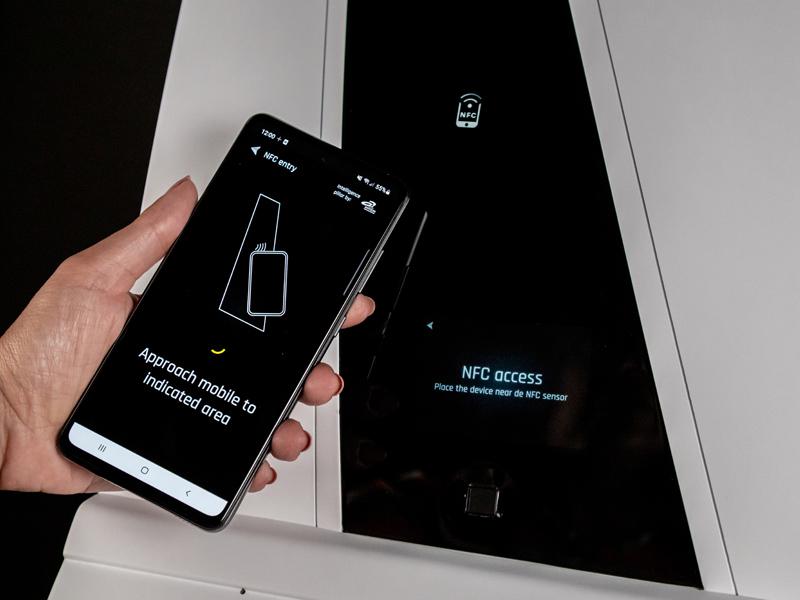
Innovation, design, collaborative work and functionality. These are the four pillars on which the Vehicle Information and Access System that Walter Pack has developed alongside Grupo Antolin is based, and which has won the innovation award at the latest edition of the CES in Las Vegas, the most important consumer electronics fair in the world. This is a state-of-the-art solution that integrates a digitized information and door opening system in the so-called B-pillar, the exterior part that sits between the front and rear doors. Walter Pack has combined its know-how in the development of high value-added plastic solutions with Grupo Antolin’s innovative core in the production of this type of element to create a decorative exterior part that incorporates an intelligent interface (HMI) for accessing the vehicle with multiple additional functions. A series of challenges To produce the plastic solution, Walter Pack’s R&D and Color&Trim departments had to face several challenges. First, it was an exterior part that had to meet the characteristics and receive the specific treatment required for this type of solution in terms of humidity, weather conditions, infrared rays, lighting, etc. In addition, it had to be able to integrate an interface with multiple functions: a fingerprint sensor, an infrared camera, a 6-inch display to provide information on temperature, climate, etc., and to project the images captured by the camera; an NFC connector to access the vehicle with a smartphone and dynamic backlighting, among others. And finally, the part had to meet the sophistication and innovation requirements imposed by the demanding automotive industry in order to become a state-of-the-art solution that could be fully integrated into any vehicle model. To meet these challenges, Walter Pack’s R&D department used its expertise to choose the right technology and materials to carry out the project and prepared the necessary molds and tooling to ensure its feasibility. Regarding design, the Color&Trim department collaborated with Grupo Antolin to design a solution that combined gloss and matte effects, after considering the Black Piano option. Finally, Walter Pack used In-Mold-Forming (IMF) technology to profile the part’s foil and give it an optimum quality, robustness and abrasion resistance finish, and supported the injection process carried out by its partner. The result was a high value-added part that won one of the innovation awards at the CES show in Las Vegas, out of more than 2,100 entries. These awards, which are sponsored by the Consumer Technology Association (CTA)®, aim to recognize and reward outstanding design and engineering in 28 categories of consumer technology products. A successful collaboration for Walter Pack and Grupo Antolin The VAS designed and produced by Grupo Antolin and Walter Pack is a combined software and hardware solution that is integrated into the vehicle’s B Pillar and allows access to the interior in a convenient and intuitive way through different authentication methods, from the different biometric data to the digital key and PIN code. This solution also incorporates multiple functionalities such as light and acoustic signals to alert cyclists and pedestrians when the doors are opened, battery charge warnings, weather information, image recording in the event of attempted theft, etc. Grupo Antolin and Walter Pack have worked with other technological partners to offer a solution capable of meeting the future demand of automotive manufacturers in access systems and contributing to improve the driving experience. The Vehicle Access System has been awarded in the Vehicle Tech & Advanced Mobility category, which recognizes those automotive and transportation products and services that use technology to improve the driving experience in areas such as safety, navigation, passenger comfort or enabling autonomous driving.
Nergroup and Walter Pack complete 2022 full of solidarity challenges
2022 was a difficult year, both economically and commercially, and in terms of solidarity. The year of post-pandemic and early recovery quickly turned into a global humanitarian, social and economic challenge triggered by the Russian invasion of Ukraine These elements encouraged the organizations involved in the New Style of Relations in which Walter Pack is immersed to redouble their commitment to society and to launch some twenty actions with a fundamental objective: to contribute to achieving a more just and sustainable human development inside and outside our territory. The results of these actions could not be more gratifying: nearly 300 nergroup volunteers have worked 2,500 hours on these projects, bringing in nearly 51,300 euros and directly benefiting nearly 3,700 people. All of these actions are closely linked to several of the United Nations Sustainable Development Goals and are in line with Walter Pack’s Environmental, Social and Governance (ESG) policy, i.e. the commitments we have made to respect the environment, have a positive impact on our social environment, and integrate and promote the diversity of people in our governing bodies. Sustainable Development Goals Within the framework of these initiatives, we have developed five projects and actions of social awareness and defense of human rights outside our continent. In February, the invasion of Ukraine almost immediately triggered the organization of a convoy of four vans loaded with humanitarian aid to Slovakia. The nergroup and Walter Pack volunteers took 25 hours to reach Kosice, on the border with the Ukrainian country, and brought food, warm clothing and medicine to victims of the war to help them cope with the conflict. The convoy was able to return with 26 other people who decided to leave their homes, families and jobs to escape the effects of the war. At the same time, nergroup, in collaboration with UkraniaSOS and the Basque People’s Europe Foundation, helped manage the reception and logistics of approximately 1,000 people so that they could maintain as normal a life as possible during the conflict. These initiatives have been developed in parallel with other activities aimed at raising funds to support host families in the Basque Country and people who have had to stay in Ukraine: the organization of two pelota matches has raised a total of 9,142 euros, which have been donated to the Fundación Instituto Europa de los Pueblos. NER Group and Walter Pack’s commitment In addition to Ukraine, nergorup organizations have participated in other solidarity activities, this time on the African continent. As part of the Saluganda campaign, we managed to collect a total of 110 bicycles for teachers in Uganda, with the aim of promoting education and facilitating teachers’ travel to schools, which are located several kilometers from their homes. At the same time, nergroup has helped spread the word about the actions of the ship Aita Mari, which has been fighting the migratory crisis in the Mediterranean since 2017. And already within our borders, we have collaborated with various associations through awareness campaigns and initiatives to raise funds to promote research against cancer, multiple sclerosis, diabetes and Parkinson’s disease. This work has been complemented by campaigns against food waste; in favor of the incorporation of women in STEAM vocations; in defense of inclusive and adapted sports; to fight exclusion, with the creation of an urban vegetable garden for people at risk of social exclusion, and in favor of the environment, with the planting of more than 4,000 native trees. These initiatives are an example of Walter Pack’s commitment to society and to fair and sustainable development, and an example of our commitment to an organizational model based on solidarity, creativity, innovation and a vision of the future. https://youtu.be/hz08lG_0eiw
Cutting-edge Research and Design in Integrating Real Materials
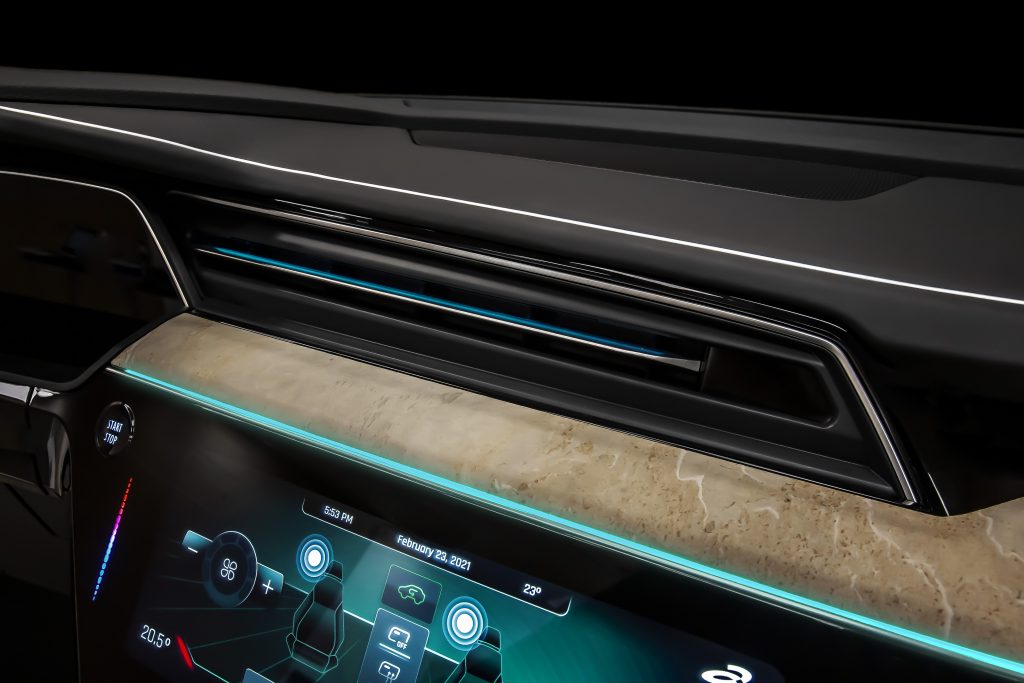
INSIDE WALTER PACK Cutting-edge Research and Design in Integrating Real Materials Zimbabwe black granite, ebony wood, Carrara marble, Limoges porcelain, mother-of-pearl…The tones, hues and haptic qualities of some materials have made them cornerstones of design and synonyms for comfort, elegance and warmth. Traditionally, these exclusive materials were reserved for the world of interior design, but have now made the leap to other industrial areas.The growing commitment to sustainability and design in demanding sectors such as the automotive industry has led some manufacturers to innovate, in a bid to integrate these real materials into the dashboards and trims of vehicles to provide them with specific features and create a differential environment. All this is done with the aim of turning the vehicles of the present and the future into flagships of the so-called Third Living Space.Walter Pack works to make innovation, design and sustainability three of its hallmarks. Design and materials Sonia Lopez, head of the Color&Trim department, and Gorka Litago, from the R&D team, explain what prompted the Basque manufacturer to experiment with real materials in the automotive field and take it to the leading position it occupies today.“Our technological monitoring of the sector allowed us to discover a demand, a growing need, for vehicles to become extensions of the home. That meant introducing into the cockpit materials that could be found inside a living room, such as wood, concrete, stone… materials that are usually used in luxury rooms,” explains Gorka Litago. From then on, the R&D department began to probe the market for suppliers of these types of real materials and to investigate how they could adapt to their technology to achieve a real integration inside a car. The question was, how to go about it? How can stone be malleated and made into a front panel with a specific shape? How can a feature or backlight system be integrated that contributes to creating a specific environment inside a vehicle? “Some of the stones used to make these coatings are stratified. One of the techniques used by suppliers to obtain these sheets is to cut the blocks at the quarry, apply a resin which is left to cure and then peel it off, which gets part of the stone to stick to the resin. The result is a natural stone film that is less than 1 mm thick,” , explains the R&D manager. After that, Walter Pack comes into play to give these materials three-dimensionality. Sheets of stone, wood, fabrics, cork and a range of other materials take on the corresponding shapes through the thermoforming process. Finishes and coatings The R&D department researches and tests coatings that protect these natural materials while complying with the technical requirements of the automotive industry. “We look for coatings that are fully compatible with these materials and provide all the technical characteristics that an automotive part needs; in other words, dirt protection, chemical and oil resistance, scratch-resistance and protection from sun damage. This is a crucial task in the case of real materials because each one requires a particular coating that fits their nature,” adds Gorka. Price and quality Obtaining varnishes capable of passing all resistance and compatibility tests is one of the main challenges faced by the R&D department, along with manufacturing affordable options from an economic point of view. “We work to reduce the economic cost of parts made with these real materials so that they can be used in a wider sector than the luxury automotive sector,” explains Gorka This is precisely one of Walter Pack’s value propositions, along with the simplification of processes: “The developments we carry out with films are more competitive than those of other companies. Yet we are not only more competitive in terms of cost; we also offer services ranging from design guidance to guarantee the feasibility of the project, advising on decorative alternatives with different design proposals, supplying raw materials and treatments, to manufacturing the final part injected in our facilities,” adds Sonia López Feasibility One of the main tasks Walter Pack performs is feasibility studies, which are essential to verify the viability of the project from all points of view: geometric, functional, economic, etc. “Keep in mind that real materials are not like a plastic film that has stretch properties of around 180% and can cover more aggressive angles and parts. At Walter Pack, we understand the limitations of these materials and we can advise our customers when carrying out a specific design with specific functions. Our technological expertise in plastronics gives us a huge competitive edge when it comes to making these integrations with real materials. This represents a high added value because very few thermoforming companies have a line of real materials and have the necessary flexibility to adapt their production processes,” explains Gorka Litago Outcome The result is spectacular by any standard. “We are able to produce parts with a stone film and a specific shape to which backlighting can also be applied. Lighting tones can be modified to the consumer’s liking to create the desired ambient lighting. We also focus on preserving the materials’ real haptic, with an adequate degree of roughness and temperature, so that the experience of touching it is authentic. We can even give each part a custom finish, for example, granite and rough, or a polished marble surface,” says Sonia López These characteristics are what make Walter Pack a leading partner in the research, design and production of automotive parts using real materials, placing it at the technological forefront for supporting the sector’s evolution and development. © 2021 Walter Pack Legal notice Privacy policy Cookies Certifications Certifications Walter Pack Igorre Quality and environmental policy IATF 16949 ISO 14001:2015 ISO 9001:2015 Walter Pack Barcelona Quality and environmental policy Health and safety at work policy ISO 9001:2015 IATF 16949 Walter Pack México Security policy IATF 16949:2016 Beritch Quality policy IATF 16949:2016 ISO 9001:2015 Close Linkedin Youtube
Energy saving, the necessary integration in the smart home appliance sector
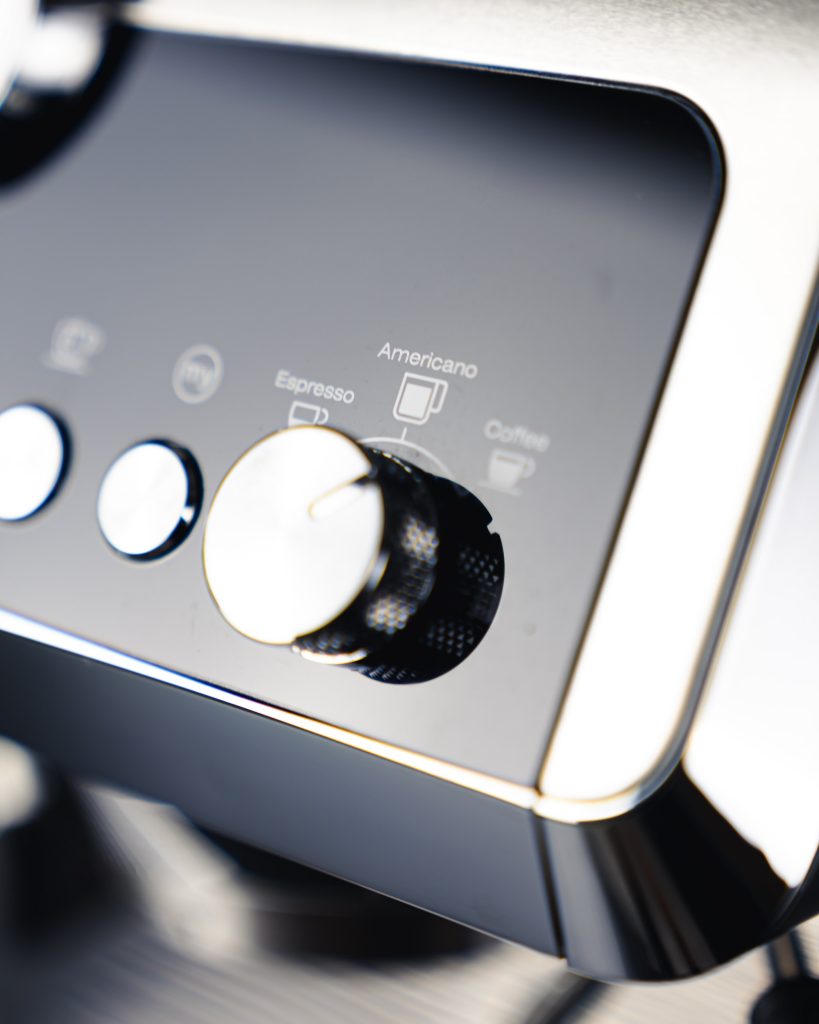
We live in a smart world. We have more and more intelligent and interconnected devices and home appliances designed to make our lives easier in an intuitive way, but without sacrificing design. In Spain only, according to a study conducted by Haier, 25% of households have opted to purchase a smart appliance for its functionality and convenience, and because it helps to improve the quality of life of users. However, above these reasons has been another, especially during the last year: energy savings. Home appliances absorb around 55% of household electricity consumption, and in 2022 the price of electricity has registered record figures in Europe as a whole. All these reasons have led the main manufacturers in the home appliance sector to redouble their commitment to smart appliances and to integrate smart applications and functionalities aimed at optimizing energy consumption. To face this challenge, the consumer electronics industry relies on core technology partners capable of creating efficient, fully functional, integrable and uniquely designed solutions. Plastronics for home appliances Walter Pack has taken advantage of its expertise accumulated over the last decades in the demanding automotive industry to consolidate its position as a reference supplier in the home appliance sector and to provide innovative solutions with high added value. Its value proposition revolves around the integral management of the projects in which it is involved, from the design to the production of plastic parts with integrated electronic components. These turnkey solutions combine cutting-edge design and maximum functionality thanks to technologies such as plastronics, which incorporates electronic circuits in flexible polymers from organic and hybrid materials, and In-Mold-Electronics (IME). IME integrates electronic functionality and even hybridization of electronic components in films that, once thermoformed under high pressure, are introduced into the injection mold together with the decorative insert, and provide decorated parts with electronic performance. This form of flexible electronics is a competitive advantage in the smart home appliance sector because it helps to design components that are much lighter, stronger, and more malleable, and to integrate them into parts with a very elaborate geometry and a unique design. Thanks to these technologies Walter Pack makes electronic boards, control panels, indicators, cutting-edge lighting systems and all kinds of solutions aimed at serving the broad ecosystem of consumer electronics, the IoT universe and, of course, automotive. The plastic components produced by Walter Pack can incorporate the electronic elements that provide all kinds of functionalities to these sectors, including energy savings. And they do so with a design that meets the requirements and specifications of the brand, in accordance with regulatory standards and with respect for the environment.
All you need to know about Human Machine Interfaces and its future
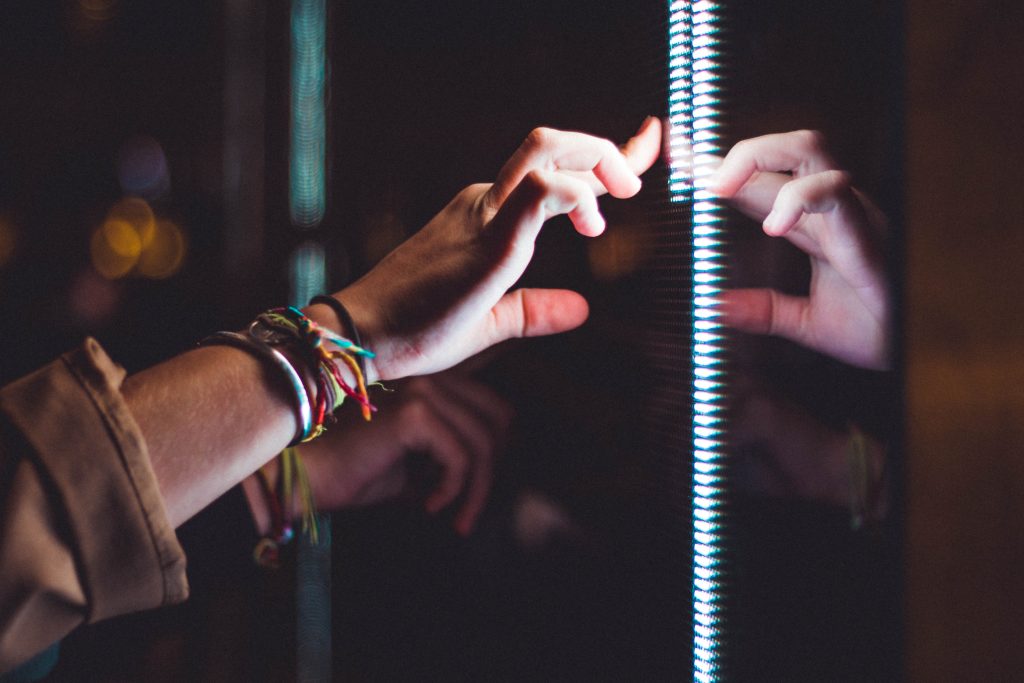
The development of industrial automation processes led to the need for a way for users to interact with the systems in a simple and effective way, which resulted in the creation of HMI or Human Machine Interface systems. You may not have heard of these systems, but for sure you interact with one or more of them every day. That’s because they can be found everywhere, such as in cell phones, cashiers and industrial machinery. If you want to know more about these important systems and learn about the types of Human Machine Interfaces that exist, we invite you to continue reading this article. What is an HMI System? HMI or Human Machine Interface is nothing more than an interface that allows a user to access the functionalities of a device, a machine or a system in a simple way. This term can be applied to any screen or control panel which a person can interact with a device. These systems operate in different types of devices or machinery, such as, for example, the ATMs we interact with on a regular basis. The interface, in this case, is composed of buttons, pushbuttons and, sometimes, touch screens through which the device’s functions can be accessed. However, this does not only apply in the domestic or commercial environment. The term is usually used to refer to industrial processes that control and help monitor production machines in companies. Thus, for example, maintenance staff is able to control the machinery without the need to manipulate the machine’s internal code. This facilitates their work and allows them to observe and alter variables such as temperature, pressure, fill levels, positioning and more. Types of HMI There is no single type of Human Machine Interface, they come in a variety of formats, such as computer monitors, touch screens, mobile device screens, control panels and more. Although the term still applies to each of these, since the purpose of these is to provide information about the device’s performance, as well as to make functions available to the user. The great technological advances of the last decade have resulted in the development of different types of HMI systems, and today, it is common to see evolved models, which generate many more opportunities for both human-device interaction and equipment analysis. High performance Human Machine Interface One of the demands of the new systems is for much more efficient human-machine interfaces that ensure interaction with minimal response time and that are effective. This is achieved by paying attention to the most indispensable and critical indicators of the interface, allowing the end user to detect problems and solve them more efficiently, as well as to make well-informed decisions. They tend to be fairly simple and clean, dispensing with controls or graphics that may complicate visualization. Other relevant design aspects include the use of neutral colors, with visual elements such as icons of a suitable size and conveniently placed for easy access to functions. Touch screens and mobile devices Human Machine Interfaces developed for touch screens became popular with the rise of smartphones, but soon spread to a wide range of fields. They dispense with conventional buttons and switches and allow you to interact with machine functions directly by touching them. The importance of touch screens comes to the forefront when working especially with mobile devices that work with web-based or app-based SCADA systems. Among the wide range of advantages offered by the mobile HMI interface are instant access to control data and remote monitoring. Remote monitoring There is also remote monitoring, which achieves greater flexibility and accessibility for operators and managers. They can be used by workers to control the system externally, measuring values such as temperature on a mobile device. This avoids having to constantly monitor the values locally. They are often used in production plants whose facilities are located miles away. Human Machine Interface for network and cloud Human-machine interfaces also extend to the Internet, where they become quite important, as they allow operators to access data and visualization from field devices. Apart from that, it is now very common to use local Human Machine Interfaces to upload data directly to cloud storage, where it is possible to analyze it remotely. The best thing about this is that the control capabilities are maintained locally, so control is completely independent. At Walter Pack we are dedicated not only to the design and production of functional and decorative parts for vehicles, but also to the integration of electronic circuits and control panels in plastics. We are able to integrate electronic components into plastic parts, easily incorporating their electronic functions and creating fully functional, fast, effective HMI solutions. All this through the use of completely revolutionary technologies.
What is a concept car?
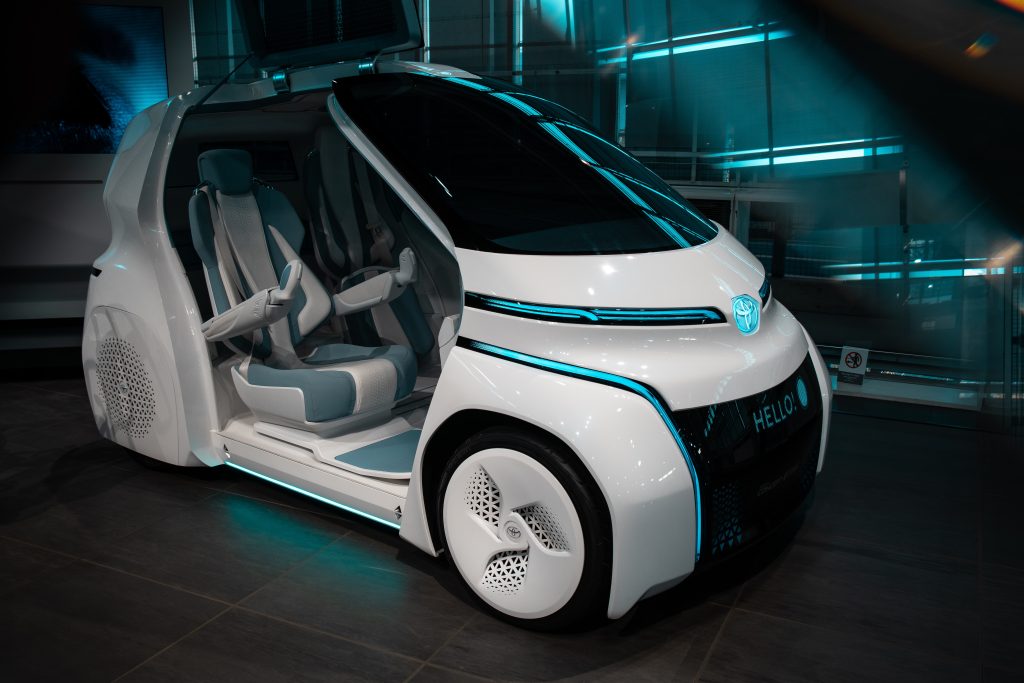
Concept cars are experimental vehicles with advanced features. They are usually used by OEMs to show the most cutting-edge technological developments and give an idea of what the cars of the future will be like. If you are a car lover, keep reading. We will tell you what they are, what they are for and explain the difference between a concept car and a production model. What is a concept car? A concept car is a prototype car developed by OEMs’ with the aim of presenting future technologies and design trends to users. These vehicles show that there are no limits to the imagination, as they reflect a great deal of creativity and are the basis for the technology to be applied in the industry. Of course, these prototype cars are not mass-produced, only a few are created to measure public acceptance. With this data, it is possible to add or remove components to the models that the brand will subsequently produce. In addition, these vehicles give customers a preview of the features that will be included in models that will go on market in the near future. Some of the features that stand out the most in these cars are, for example, connectivity, electrification or automatic driving. Main differences between a concept car and a production model There are some differences between these two ideas. Production models or production vehicles are those that are mass-produced, offered to consumers and can be legally driven on public roads. The opposite is true for concept cars, because only a few are produced and they are usually used to give the user a taste of what the cars might have in the future. In addition, these types of vehicles are generally manufactured with unconventional materials that are difficult to find in other vehicles, such as carbon fiber and some special metals. They also often feature designs with lines that are impossible to bring to production in terms of aerodynamics and technical development. However, some brands present trends that will be incorporated in future models. And, although the final appearance of the car that will be developed in series is closely related to the prototype, it is possible to appreciate certain details advanced by the concept car. Finally, creating a single concept car allows designers to develop new features that would be difficult to apply to production models. For example, special traction systems, connectivity or autonomous driving. What is the manufacturing process of a concept car? The manufacturing process of car prototypes is directly related to the manufacturer’s wishes. Therefore, the first step to start the design of these expensive vehicles is to define the purpose of the prototype. The next step is to create the concept car by drawing up sketches of the exterior design. This is done using advanced computer programs and specifies everything from the smallest to the most general details. Subsequently, various mock-ups of different sizes are produced until the manufacturer is satisfied with the final result. Then, with the mock-up ready, the prototype is manufactured. These vehicles allow the OEM to showcase a new engine, electric or hybrid powertrain or certain features that will be added, so that they can then be displayed at specialized trade fairs or exhibitions. Generally, the designs of these prototypes are not offered for sale, either because of the cost of the materials or because of their practicality. In addition, elements such as normal rear-view mirrors are often replaced by cameras and digital screens. Beginnings of the concept car in Europe The history of the model car begins with the Atom, designed by Aston Martin in 1939. It was a four-door sedan built on a tubular chassis. This model shows that the British brand had in mind to manufacture a four-door car, although almost all vehicles are convertible or coupe models. For the 50s, the Italian company Alfa Romeo, together with Bertone, developed a series of model vehicles called BAT (Berlinetta Aerodinamica Tecnica) with an innovative and futuristic design. Later, in the 80s, the minivan was created, a concept that was born with the Renault Espace vehicle of 1984. Before the production of this car, the Lancia was developed, although the Fiat group discarded Giugiaro’s large-scale project. This Italian designer produced the Lancia Megagamma, a vehicle that used the mechanics of the Lancia Gamma that was already on sale and had a larger body. This feature gave an idea of what would be the minivan with which they wanted more functionality for the interior. It was presented at the Turin Motor Show in 1978, but was never produced. Most concept cars are one of a kind. Since we also want your car to have a look that stands out from the rest, at Walter Pack we can take care of designing special plastic decorative and functional solutions for your vehicle. We have the best technology to develop both aesthetic and functional parts, guaranteeing our customers innovative solutions. Enter our website and in the “contact” section you will find a simple form to fill out to access any of our services, either to carry out any phase of your project or to request information.
Plastronics: Electronics meets plastic
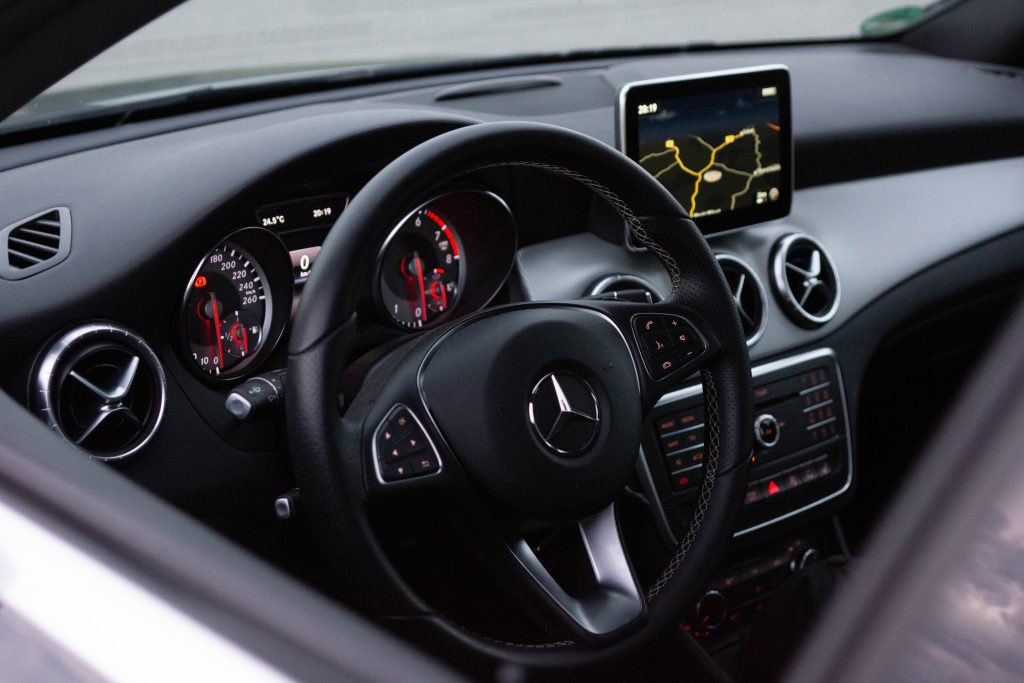
Over the years, a wide variety of plastics have been developed to meet the needs of different industrial areas, one of the first being parkesin, which arose from substances mostly of natural origin. With the passing of the years and the growing need for integrated circuits in a huge variety of devices, plastronics emerged, a very interesting field that promises to revolutionize the way we use plastics. If you want to learn more about it, keep reading this article, because here we will tell you everything you need to know. What is plastronics? This is a completely revolutionary field that combines both research in flexible electronics and advances in the development of polymers in order to provide the great malleability and flexibility of some new polymers to electronic integrated circuits. All this from organic and hybrid materials, which allow great freedom at the design level. What are the advantages? In addition to allowing the production of lightweight and highly flexible devices, it is a very economical technology, thanks to its large-scale processing capacity. As an emerging technology, it has enormous potential for development and growth in all kinds of sectors. Although advances can already be seen in fields such as automotive, consumer electronics, white goods and even aerospace. Is plastronics the future? While plastic manufacturing methods and conventional electronics continue to dominate the current market, technological advances in areas such as the internet of things (IOT), augmented reality, virtual reality, among others, increasingly require improvements in the quality of materials, constant development in manufacturing processes and the implementation of more complex electronic components. It is here where the flexible electronics provided by plastronics becomes very relevant, since it allows the creation of much lighter, resistant and flexible devices. All this, adapting to parts with a very elaborate geometry, so it offers a great advantage compared to conventional electronics. What can be produced by plastronics? While it is true that plastronics has a wide field of application in the industrial sector, we can also find much utility in parts created by hand or for domestic use. Below, we will detail some of the most common practical uses of plastronics: Resistive push-button matrix In cases where some user interaction is required, such as console controls, toys and some household appliances, plastronics can be used to eliminate mechanical pushbuttons altogether. Using the IME technology , flexible sensors can be produced in the housing of any device. This significantly reduces the weight and thickness of the devices. Sistemas de calefacción Heating systems The USB HEAT FOOD project resulted in a prototype container that can heat all the food inside. The best thing is that they can operate without any problems, even in areas that do not have an electrical installation. Using this technology, a heating temperature of up to 80 °C was achieved, with a fairly even distribution. Lighting systems Although it is very advantageous to use LED lights in conventional, completely flat panels or parts, it is often a problem to make them fit perfectly when faced with the slightest curvature in a panel. A great alternative to conventional LED lights is to make use of electroluminescence, a technique that can be used to illuminate parts of a product, either to create very clever indicators or very elaborate decorations. Capacitive lighting Based on the previous point, it is possible to develop all kinds of lighting solutions, such as capacitive lamps. It is enough to replace the metallic base that lamps usually have with a conductive polymer. This is just one example of the many solutions that can be manufactured in the home. Walter Pack Among the various companies specializing in plastronics is Walter Pack. Our goal is to develop decorative, yet fully functional parts for both the automotive industry and for domestic use. Among the main areas in which Walter Pack is involved is the creation of highly resistant plastic parts through heat molding and in-mold decoration, used to add decorative touches to plastic parts through a printing process. It is also engaged in the development of plastics using plastronics. Using revolutionary thermoplastic techniques, they are able to create a variety of both decorative and functional parts, including electronic boards, control panels, gauges, lights and more.
Walter Pack and NER Group develop a bike donation initiative to support education in Uganda
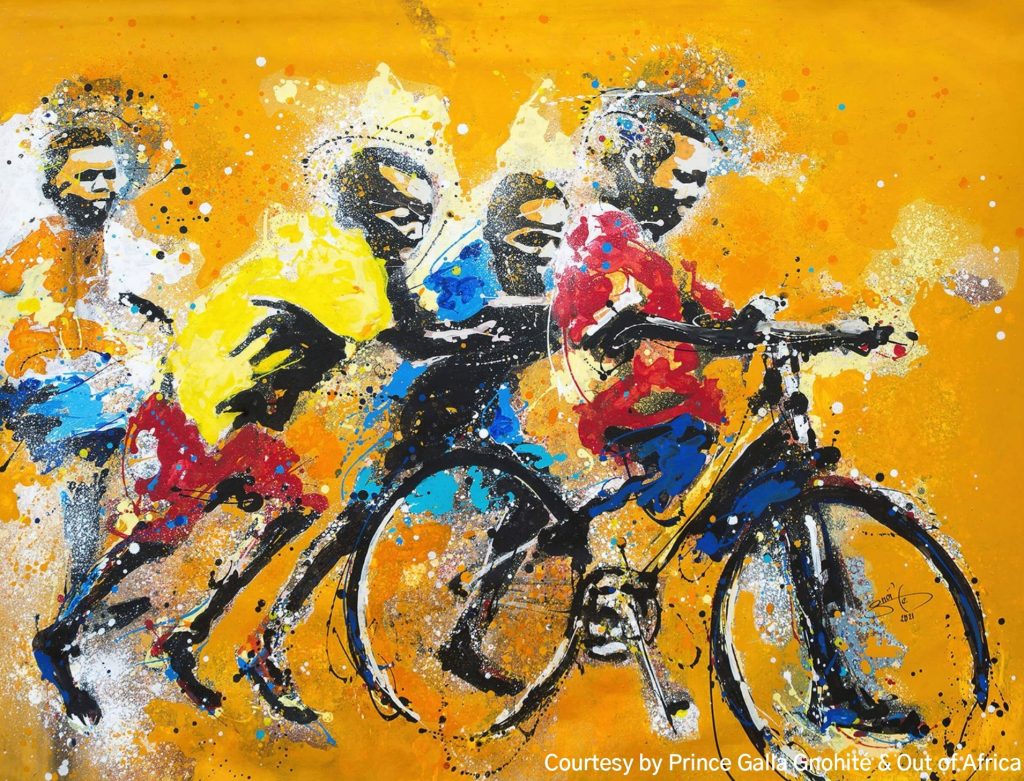
Self-management and social development are two of the principles that rule the work of the organizations that make up the NER Group, including Walter Pack. Our commitment to solidarity is not limited to offering concrete help to a specific group, but to providing them with the tools they need to give them greater autonomy and contribute to their self-sufficiency. Self-management and social development “If you give a fish to a hungry man you will feed him one day; if you give him a rod and teach him to fish he will eat forever”. This parable, attributed to Confucius, reflects the philosophy that inspires the latest actions in which Walter Pack has participated together with NER Group. The latest of these, in which we are involved together with the Saluganda organization, consists of a campaign to collect bicycles to send to Uganda with the aim of reducing the travel difficulties of the 130 teachers to the Sustainable Schools that we have been promoting since 2012 and to facilitate teaching in these communities. Most of the teachers who teach in these schools have great difficulties to move outside their environment to the communities where they are located. They often have to cover long distances on foot of up to two hours to teach classes or, if necessary, face a significant financial cost to take a public cab to an area close to the centers. The challenge that we have proposed to develop until October 28th is to get these teachers the bicycles that allow them to cover the routes more easily, maintain their teaching activity and, at the same time, give a second life to the bikes. To achieve this challenge, at Walter Pack we have converted part of our warehouse into a collection point for all types of bicycles, both adult and children’s, touring, mountain bike, etc., that are in good condition. Once here, through the Seur Foundation, we will make a first shipment to a repair point of the Alberto Contador Foundation, which will be responsible for tuning them and fix small breakdowns such as punctures and other minor problems that can be solved quickly. Although our goal is to send to Uganda only adult bicycles that are in good condition, we want to collect all kinds of bikes to donate the rest to the foundation driven by the former cyclist from Madrid with the aim of managing their distribution to other people in need. This project is a continuation of the initiative that Walter Pack and NER Group began to develop together with the Saluganda organization a decade ago, always with the same goal of seeking self-management and social development. The first objective was the implementation of these Sustainable Schools, aimed at improving the hygienic and sanitary conditions, food and environmental education of almost 3,000 students in seven Ugandan orphanage-schools. This initiative provided them with Ecosan latrines, drinking water tanks, chicken coops, pigsties and school gardens to move towards self-sufficiency. Years later, an eighth school was added, the only one in the region for students with motor disabilities. A total of 130 teachers currently teach in these educational spaces. Next, in 2014, we participated in the Women’s Livestock Cooperatives project, which has helped five groups of women without resources and with large families to set up pig-raising cooperatives. These farms, designed to complete the production cycle, have become the main livelihood of these women and their families, and also a source of funding for 3 new similar initiatives: the cooperatives donate a portion of the piglets born on the farms to extend the project to new groups of women, so that currently fifty or so large families benefit directly from it. In addition to these two projects, two complementary actions have been developed recently. On the one hand, the purchase of sewing machines to make masks during COVID, and the provision of reusable masks to overcome home confinement and the conflicts associated with this situation in a particularly depressed area. On the other hand, the translation of the Saluganda website into Basque and English to extend the project in order to obtain more institutional support. All these initiatives are aimed at strengthening Walter Pack’s and NER Group’s commitment to society and contributing to fairer and more sustainable human development.